


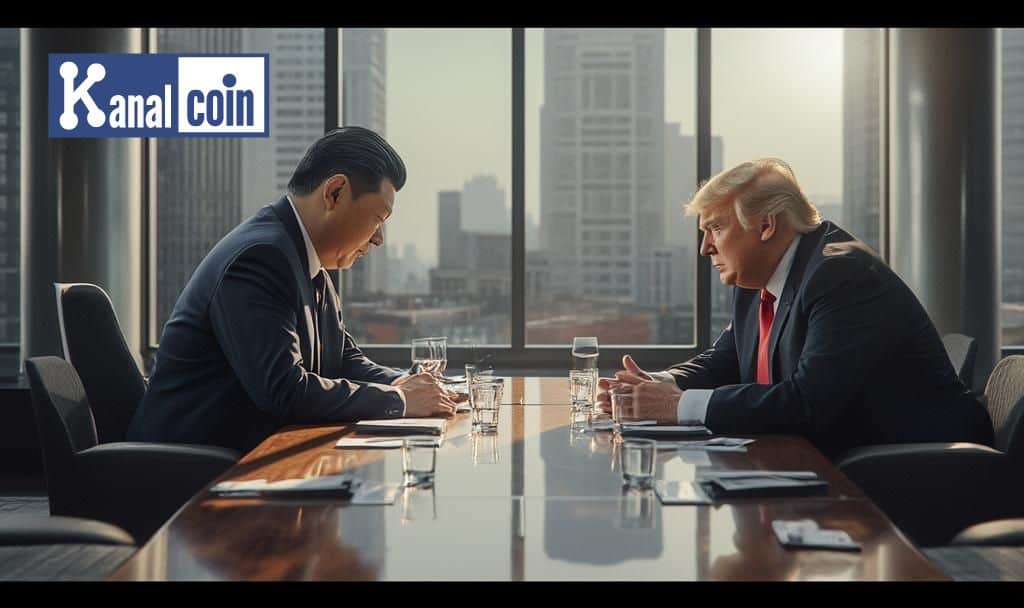
Chinese President Xi Jinping and U.S. President Donald Trump are meeting during the APEC 2025 summit in Busan, South Korea, to negotiate on trade tariffs and security. The outcome of these discussions could significantly influence global markets, potentially affecting cryptocurrencies like BTC and ETH as investors brace for potential economic disruptions stemming from unresolved U.S.-China tensions.
Key Negotiations Underway
Xi Jinping and Donald Trump are conducting crucial negotiations in South Korea, addressing tariffs, rare earth export controls, and regional security during the APEC 2025 summit. These discussions are critical for future economic stability.
Redefining Global Trade Landscape
The talks include prominent figures such as Chinese President Xi Jinping, architect of China’s trade policies, and U.S. President Donald Trump, known for imposing tariffs. The meeting could redefine the global trade landscape and diplomatic relations.
Market Concerns Over Potential Tariffs
Financial markets are observing the summit closely, as failure to negotiate could lead to tariffs up to 155%. Such measures disrupt global trade and heighten market volatility, affecting investor confidence worldwide.
Potential outcomes include regulatory changes and technological shifts. Historically, trade tensions have increased volatility in BTC and ETH prices. Analysts anticipate similar reactions if negotiations fail, impacting on-chain and DeFi activities.
Historical Impact on Cryptocurrency Markets
Previous U.S.-China trade disputes, especially in 2018–2019, led to temporary increases in BTC and stablecoin volumes as investors sought safe havens. The ongoing summit may invoke similar financial behaviors.
Experts suggest the summit's outcomes could influence long-term capital flows and regulatory landscapes. Based on historical trends, increased cryptocurrency activity is probable if geopolitical tensions persist.
“...Trump should commit to Taiwan's independence. ... America should oblige — and affirm our unequivocal commitment to Taiwan's sovereignty and independence from Beijing.”