


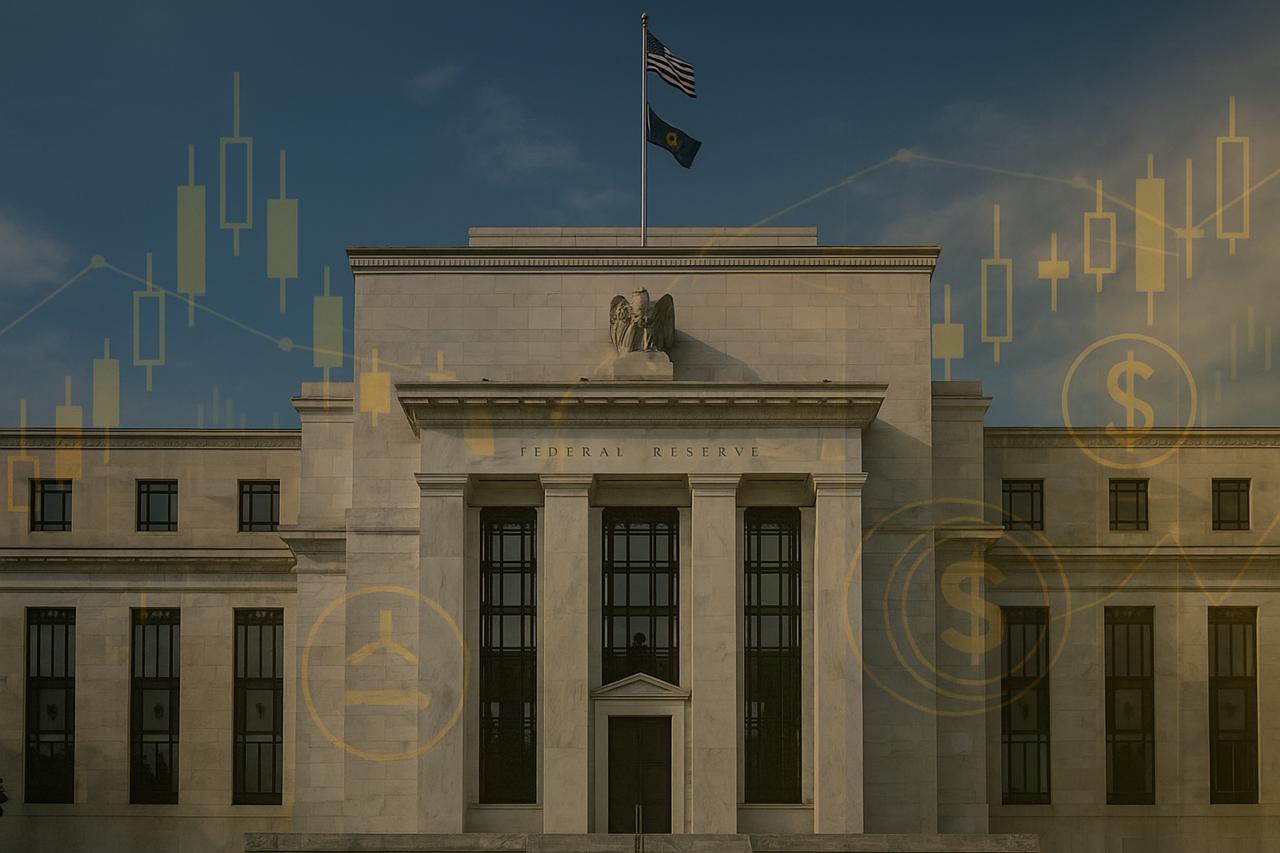
The U.S. government's shutdown froze the flow of economic statistics for weeks, leaving traders and policymakers without the employment and inflation readings that normally anchor Fed expectations. Now, the release of the September jobs report on November 20 is being treated as far more than a delayed data drop; it has effectively become the deciding factor for the Federal Reserve’s final policy move of the year.
A Year of Simple Narratives Ends in Confusion
For most of 2025, the market logic was easy to follow: a softer labor market would open the door to more rate cuts. That pattern held through two reductions. But sentiment flipped abruptly as several Fed officials began warning that cooling job creation might not matter if inflation stays stuck above target.
The result is a policy environment where both sides—the “cut now” camp and the “wait longer” camp—can cite the same incomplete data to support opposite conclusions. Without fresh numbers, neither narrative can win.
Fed Officials Deliver Mixed Messages That Only Deepen Uncertainty
In recent weeks, policymakers have sounded increasingly divided. Kansas City Fed President Jeff Schmid argued that cutting too soon could damage the Fed’s credibility on inflation. Others, including Austan Goolsbee, John Williams, and Alberto Musalem, have echoed caution.
Williams went the furthest, saying inflation “does not appear to be heading toward target,” a remark that rattled traders who had expected the Fed to maintain its easing bias.
Jerome Powell has avoided taking a clear side, repeatedly stressing the lack of reliable input data. Markets heard that message clearly: the Fed is unsure, so investors should be unsure too.
Traders Shift Their Bets Without Any New Evidence
Because fresh macro numbers have been missing, investors have been revising expectations based on sentiment instead of statistics. The CME FedWatch tool shows how fast the mood has changed. Where markets once saw a December rate cut as the base case, probabilities have flipped:
- •44.3% chance of a cut
- •55.6% chance the Fed stays on hold
This reversal happened without a single new monthly data release, an unprecedented situation heading into a major policy meeting.
Why November 20 Now Matters More Than It Should
Under normal circumstances, the September jobs report would simply be one data point among many. But with CPI, PPI, and the October employment report still delayed, the November 20 release has become the sole major macro input ahead of the December FOMC meeting.
Markets are preparing for a binary reaction:
- •A strong report could erase hopes for a December cut.
- •A weak report may revive expectations for easing, though officials may still argue inflation must take priority.
The unusual dynamic means that, for the first time in years, the labor market could move markets sharply without guaranteeing any policy follow-through from the Fed.
The next rate decision will be shaped not by a full macro picture, but by a single report arriving at a highly inconvenient moment, and that is exactly why markets are on edge.