


Key Concerns for Global Economic Stability
World Economic Forum President Borge Brende, during a visit to São Paulo, Brazil, highlighted potential global financial bubbles in cryptocurrency, AI, and government debt on November 6, 2025.
These warnings underscore potential systemic risks, emphasizing the need for vigilance as countries navigate growing debt, rapid technological adoption, and volatile cryptocurrency markets, potentially impacting global economic stability.
Cryptocurrency and AI Bubbles Pose Significant Financial Risks
Borge Brende cautioned on November 6th in São Paulo about three potential market bubbles: cryptocurrency, AI, and debt. He underscored the significant risk these pose to global financial stability. Brende stated, "We could possibly see bubbles moving forward. One is a crypto bubble, second an AI bubble, and the third would be a debt bubble."
Brende's warning is crucial due to the potential widespread impacts on economies and markets. The attention to AI highlights the employment threats as companies like Amazon and Nestlé announce layoffs.
Brende's remarks come amid growing investments in artificial intelligence and cryptocurrencies, drawing comparisons to past 'bubble' events. With AI's rapid adoption, stress on white-collar job security increases. Government debt concerns also highlight long-term financial vulnerability, potentially affecting fiscal policies.
This is a placeholder for a tweet. The original content included a tweet from Michael J. Burry discussing market trends.
Historical Trends and Cryptocurrency Market Volatility
The "Dot-com bubble" from 1999–2000 saw tech overvaluation similarly to the current AI trends, making parallels between historical trends and current technological investment risks more apparent.
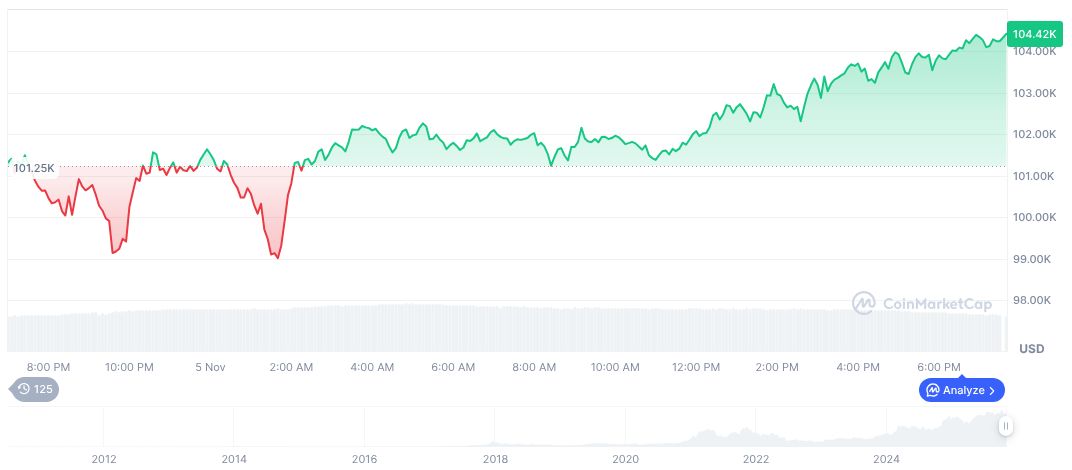
Bitcoin (BTC) recently traded at $103,899.85 with a market cap of $2.07 trillion, maintaining a 59.85% dominance, as per CoinMarketCap. Over 24 hours, BTC rose by 2.68%, but saw declines of 16.75% and 11.47% over 30 and 90 days, respectively. This data underlines the volatile nature of cryptocurrencies, amid Brende's warning of potential bubble dynamics.
Ongoing tech investments could drive profound regulatory changes. Increased focus on blockchain and AI underscores the need for frameworks ensuring sustainable development.