



The frustrations associated with international money transfers—high fees, lengthy waiting times, and unfavorable exchange rates—are well-known. These challenges have propelled stablecoins, digital currencies pegged to the US dollar, into the spotlight as a potential solution.
This sentiment was a driving force behind the West Africa Stablecoin Summit (WASS) 2025, held in Abuja, which brought together hundreds of policymakers, tech founders, and financial experts. Their collective objective was to explore how stablecoins can offer improved financial services to Africans.
The economic landscape underscores the urgency of this mission. Nigeria alone saw nearly $22 billion in stablecoin transactions between July 2023 and June 2024, establishing it as Africa's dominant market for these digital assets. In contrast, traditional methods for sending money to Sub-Saharan Africa incur an average cost of 8.37%, the highest globally. For a family receiving $200 from abroad, this translates to nearly $17 lost to intermediaries.
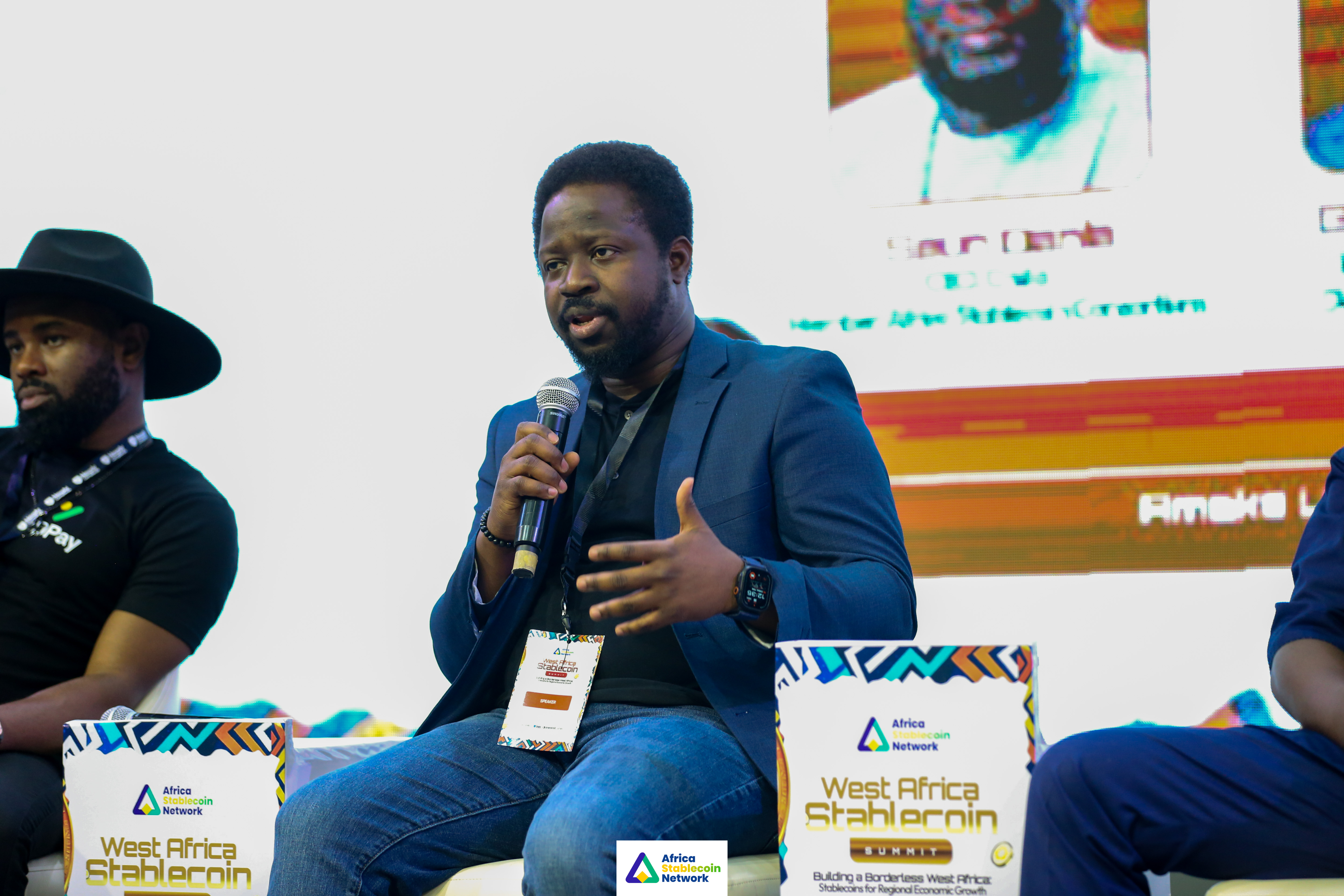
"We are talking about digital money that moves fast, settles instantly, and helps people to do business across borders without issues or stress," Hammed Afenifere, CEO of Oneremit, stated during the summit. "You pay a supplier today, they receive it today, without any bank in between."
The summit, hosted by the Africa Stablecoin Network at Aduvie Hall in Jahi, encompassed a range of discussions, from policy debates to product unveilings. A significant development was the launch of YDPay, a new platform designed to simplify the process of exchanging naira for stablecoins and vice versa, mirroring the ease of use found in banking applications.
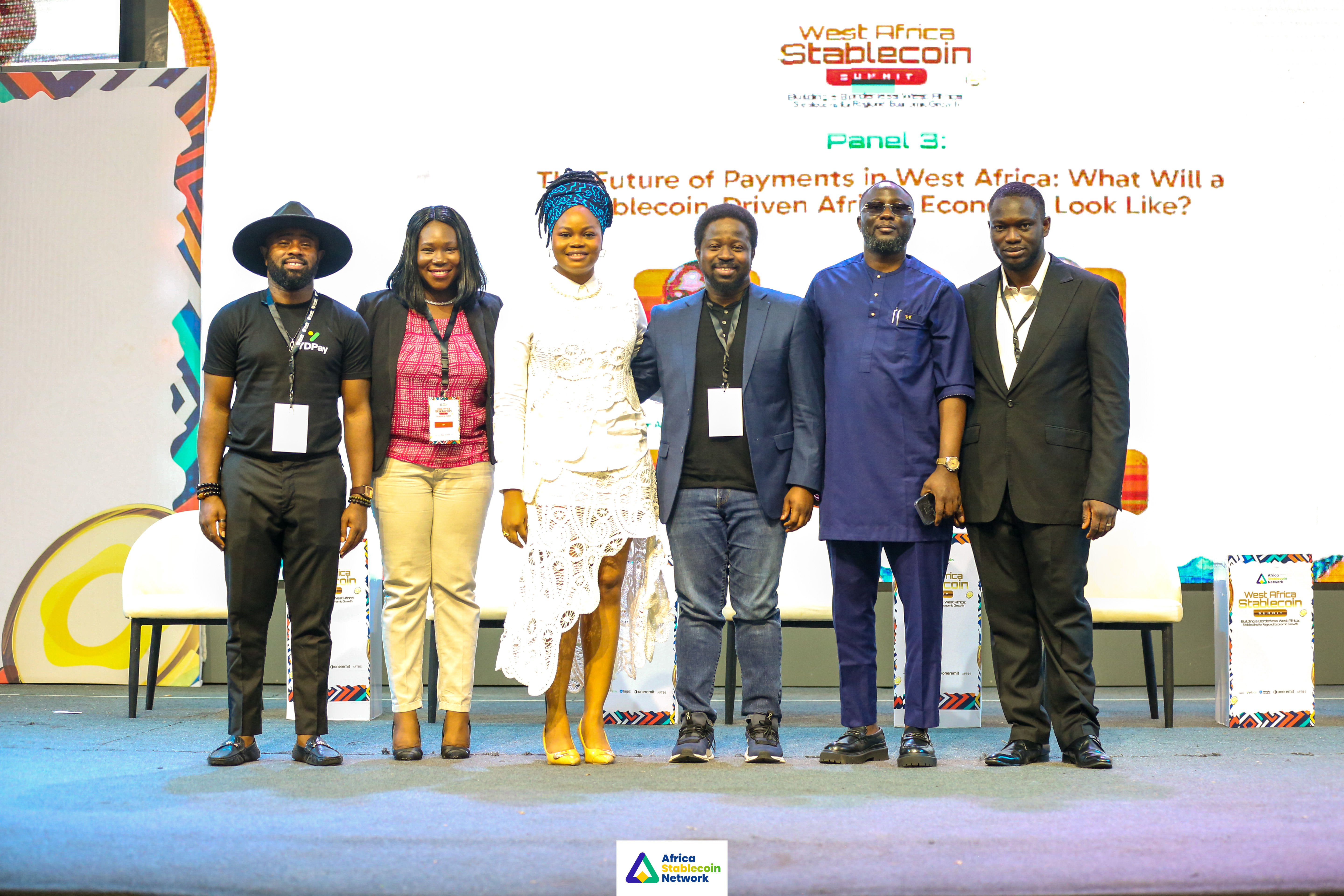
Chike Okonkwo, YDPay’s Marketing Manager, emphasized the digital evolution of money, stating, "Money had to go digital, and with stablecoins, money became more digital." He cautioned that any finance professional overlooking stablecoins would be "leaving a lot of money on the table."
The regulatory environment is also shifting. Nigeria's Investment and Securities Act 2025 marks a significant step, positioning the country as the first in Africa to formally regulate stablecoins. This regulatory clarity contrasts with the previous stance of the Central Bank, which had prohibited banks from engaging with cryptocurrencies. That ban, lifted in late 2023, had previously driven trading to underground peer-to-peer platforms.
However, the implementation of regulation introduces its own complexities. Gbenga Omosuyi from Sphere Labs highlighted that even global frameworks, such as America's STABLE Act, have yet to fully address the nuances of yield-bearing stablecoins, which offer interest on holdings. "Regulation has to catch up," he commented.
Nathaniel Luz, the summit's president, set an ambitious vision, asserting, "The future is being written, and it is being written right here, right now, by the people in this room." He reminded attendees that private currencies predated Bitcoin, but the current era is defined by enhanced speed, broader reach, and the widespread adoption of smartphones across Nigeria.

For many Nigerians facing inflation that exceeded 30% earlier this year, stablecoins have become a vital tool. They offer a means to hold dollar assets digitally, especially when physical dollars are scarce and black-market exchange rates are unfavorable. Stablecoins also facilitate payments for freelancers and enable small traders to import goods without the delays associated with traditional SWIFT transfers.
Obinna Iwuno, President of SiBAN, succinctly captured the sentiment surrounding the event: "This conference is a need whose time has come."