


Vodacom Group is currently engaged in discussions with the Kenyan government regarding the potential acquisition of an additional stake in Safaricom, which is recognized as Africa’s largest listed telecom company. Vodacom presently holds a nearly 40% ownership in Safaricom and is actively exploring avenues to increase this shareholding by acquiring a portion of the government's 34.9% interest. These discussions are still in progress, and no definitive decision has been reached.
Neither Vodacom nor Safaricom has issued any official statements concerning these ongoing discussions. The National Treasury of Kenya has also not yet provided a public response to these developments.
Safaricom stands as Kenya's foremost mobile provider, serving approximately two-thirds of the nation's mobile subscribers. The company's estimated valuation is 1.19 trillion Kenyan shillings, which equates to roughly $8.9 billion, positioning it as one of the most valuable entities in the East African region.
The Kenyan government is contemplating the sale of a portion of its shares in Safaricom. This consideration stems from a desire to enhance government revenue, manage escalating national debt, and mitigate budget deficits. The divestment of a part of its Safaricom shares, which are a source of profit, could yield a substantial sum of capital in a single transaction, thereby assisting in the improvement of the country's fiscal standing.

Strategic Importance for Africa’s Digital Market
For Vodacom, an increased stake in Safaricom would serve to bolster its control over M-Pesa, which is the largest and most rapidly expanding mobile money platform across the African continent. M-Pesa plays a crucial role as a financial service in East Africa, facilitating payments, loans, and money transfers for millions of users. Enhanced ownership could empower Vodacom to broaden M-Pesa's reach and significantly influence the development of the mobile money sector throughout Africa, potentially shaping future service offerings.
This potential acquisition would not represent Vodacom's initial step in increasing its shareholding in Safaricom. In 2017, the company augmented its holding through a share swap transaction with its parent company, Vodafone, which is based in the UK. The current exploration reflects a sustained strategic objective to secure long-term influence over Safaricom and its burgeoning digital finance operations.
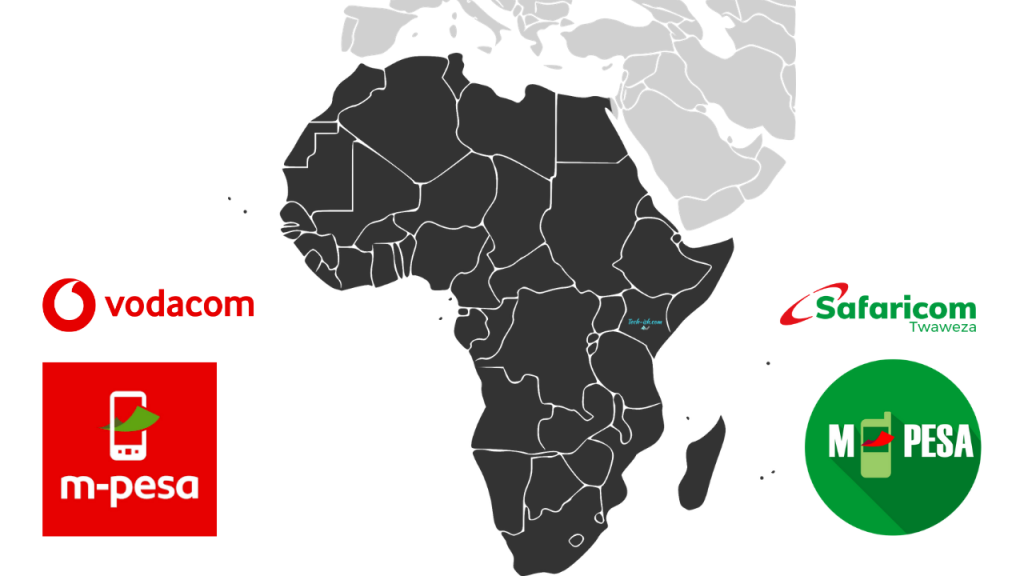
Following a suggestion made by Kenya’s Treasury Secretary John Mbadi to potentially split Safaricom into three distinct units, which could lead to a reduction in the state's stake, Vodacom reiterated its commitment to the M-Pesa platform by explicitly ruling out any spin-off of the mobile money service.
Potential Diminishment of Government Control
While the sale of a government stake could provide a significant influx of immediate revenue, it would concurrently lead to a reduction in the government's control over a vital national asset. Any such transaction would necessitate a thorough regulatory review to ensure adherence to existing ownership regulations and competition laws.
The acquisition of additional Safaricom shares would place a responsibility on Vodacom to manage its increased ownership, requiring a careful balance between its operational priorities and its strategic objectives. This move could potentially influence the company's share value, affect investor confidence, and impact the pace of Safaricom's expansion across the region.

On a broader continental scale, this potential deal could establish precedents for future telecom investments in leading regional companies and mobile money platforms. The implications of this transaction for digital finance, the landscape of telecom ownership, and cross-border investment activities within East Africa are expected to be closely observed.