


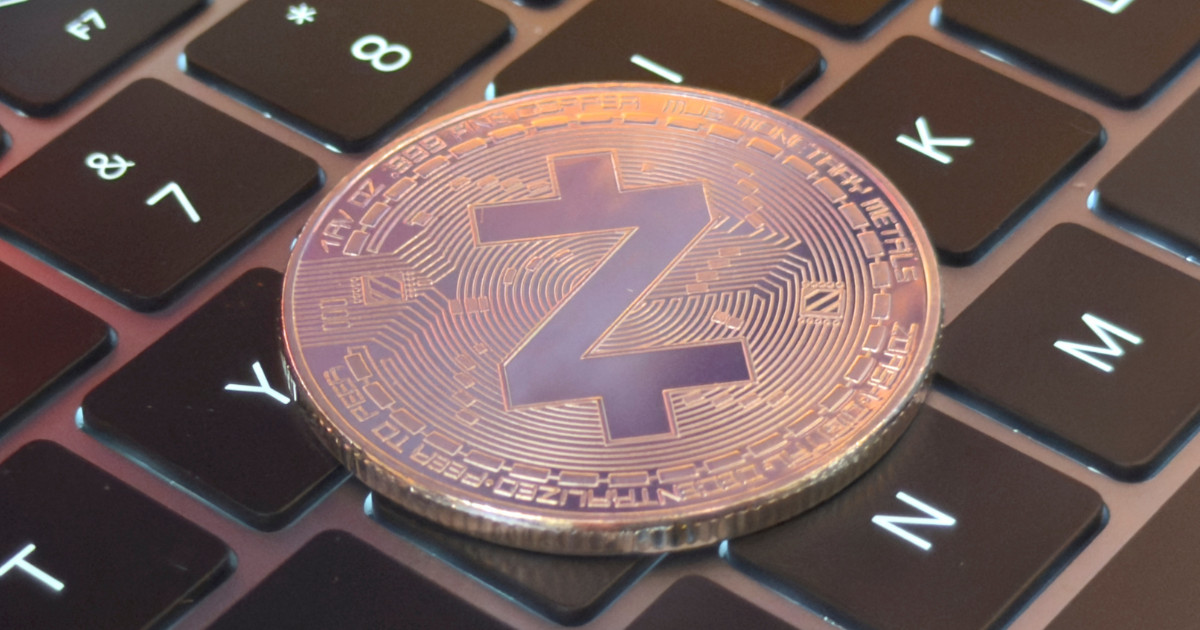
Buterin's Stance on Token Voting
Vitalik Buterin shared a clear message during a recent discussion, expressing his hope that Zcash does not move toward a token-based governance model. He argued that while token voting may seem simple on the surface, it can weaken core values such as privacy. His comments have renewed interest in how communities protect their missions as they grow.
Why Token Voting Can Hurt Privacy
Token-based governance is a system where individuals who hold a project’s token vote on upgrades, funding plans, and policy questions. This system grants voting power to those with the largest holdings. Buterin believes this creates a risk for privacy-focused projects because decisions can become controlled by what he calls the median token holder rather than by individuals who deeply value privacy. He warned that token voting may reward those seeking short-term gains, rather than long-term protection of sensitive features.
Zcash has consistently marketed itself as a privacy-first blockchain, with its shielded transactions designed to help users hide details about their activity. Buterin argued that handing final decisions to token holders could place these protections at risk. If a future proposal weakens privacy but boosts returns, he worries that voters might approve it. He stated that token voting would be worse than Zcash’s current governance model because it could slowly erode the principles the community has defended for years.
I hope Zcash resists the dark hand of token voting.
Token voting is bad in all kinds of ways; I think it’s worse than Zcash’s status quo.
Privacy is exactly the sort of thing that will erode over time if left to the median token holder.
— vitalik.eth (@VitalikButerin) November 30, 2025
A real-world example illustrates why this concern is significant. In 2022, a major DeFi project experienced its voting process being overwhelmed by a single large investor who used borrowed tokens to influence a key decision. Although the outcome was reversed later, the episode demonstrated how token-based systems can be captured by individuals with resources rather than those with a long-term commitment.
Ethereum's Fusaka Upgrade
Ethereum announced that its upcoming Fusaka upgrade is scheduled to arrive on December 3rd. The upgrade aims to advance the network closer to global scale while preserving its open and decentralized design. The team stated that users will experience faster and safer interactions due to enhanced data scaling, which will enable near-instant transactions and more cost-effective mobile wallets utilizing secure phone-based passkeys.
Rollups and layer two networks will benefit from PeerDAS, also known as EIP-7594. This feature can increase data capacity by up to eight times through data sampling. Consequently, blob fees are expected to decrease, providing rollups with more room for growth while maintaining the network's widespread distribution.
1/ Fusaka is coming December 3rd.
Ethereum’s next major upgrade shows that the network can grow to meet global demand, without compromising on decentralization or permissionlessness.
Whether you’re a user, builder, institution, or operator, here’s how Fusaka will impact you. pic.twitter.com/FKsqdZiwMM
— Ethereum (@ethereum) November 28, 2025
For application creators and DeFi developers, Fusaka lays the groundwork for experiences that feel instantaneous by reducing transaction wait times from minutes to milliseconds through preconfirmations. Reduced costs further enhance usability. Ethereum also noted that developers relying on very large transactions should review the new per-transaction gas limit of 2^24 to ensure their applications remain compatible.