
200+ crypto news providers in one place.

CoinFeather
200+ crypto news providers in one place.

Source, catalyst, and sector overlap from the latest feed.
The TRUMP memecoin is experiencing volatility as election hype fades, with price predictions for 2026-2030 suggesting potential surges driven by political momentum and a new game launch. On-chain analysis indicates accumulation by whale addresses, hinting at future upward trends. Analysts forecast a range between $5.00 and $11.20 for 2026.
Pi Network's price prediction for 2026 targets $0.85-$3.50, with potential highs of $22.00 by 2030. Despite attracting millions for mobile mining, the project faces challenges due to a lack of exchange listings and limited real-world integration, leading to recent price drops. Future recovery hinges on improved liquidity, ecosystem growth, and broader market sentiment.
Live Feed
Loading the broader stream in the same flow as the homepage feed.
Ripple CEO Brad Garlinghouse indicates a deal on the CLARITY Act is imminent, citing an "open door" for regulatory clarity. This development follows remarks from former SEC Chair Gary Gensler and White House AI and Crypto Czar David Sacks, suggesting a potential compromise on digital asset regulations. The CLARITY Act aims to balance innovation with financial safety, and its passage could significantly reduce market uncertainty and boost institutional adoption.

Ripple CTO Emeritus David Schwartz revealed he sold 40,000 ETH when the price was $1.05, netting $42,000 and a 321% return. He used the proceeds to buy solar panels for his home. Schwartz still holds BTC and ETH, and previously stated he owned around 20 million XRP.
Galaxy research analyst Alex Thorn refutes claims that Jane Street intentionally suppressed Bitcoin's price. He dismisses the narrative, prevalent on X (formerly Twitter), as "Twitter cope" and a manufactured controversy. Thorn suggests market makers like Jane Street likely hedge their positions rather than actively suppressing prices, questioning their incentive to do so.

Bitcoin's recent sideways price action is interpreted as a constructive "time capitulation" where leveraged long positions are gradually unwinding without a sharp price drop. This deleveraging process is cleaning up the derivatives market, reducing liquidation risk and potentially forming a healthier foundation for future price movements. The article suggests this consolidation phase historically precedes significant directional moves.
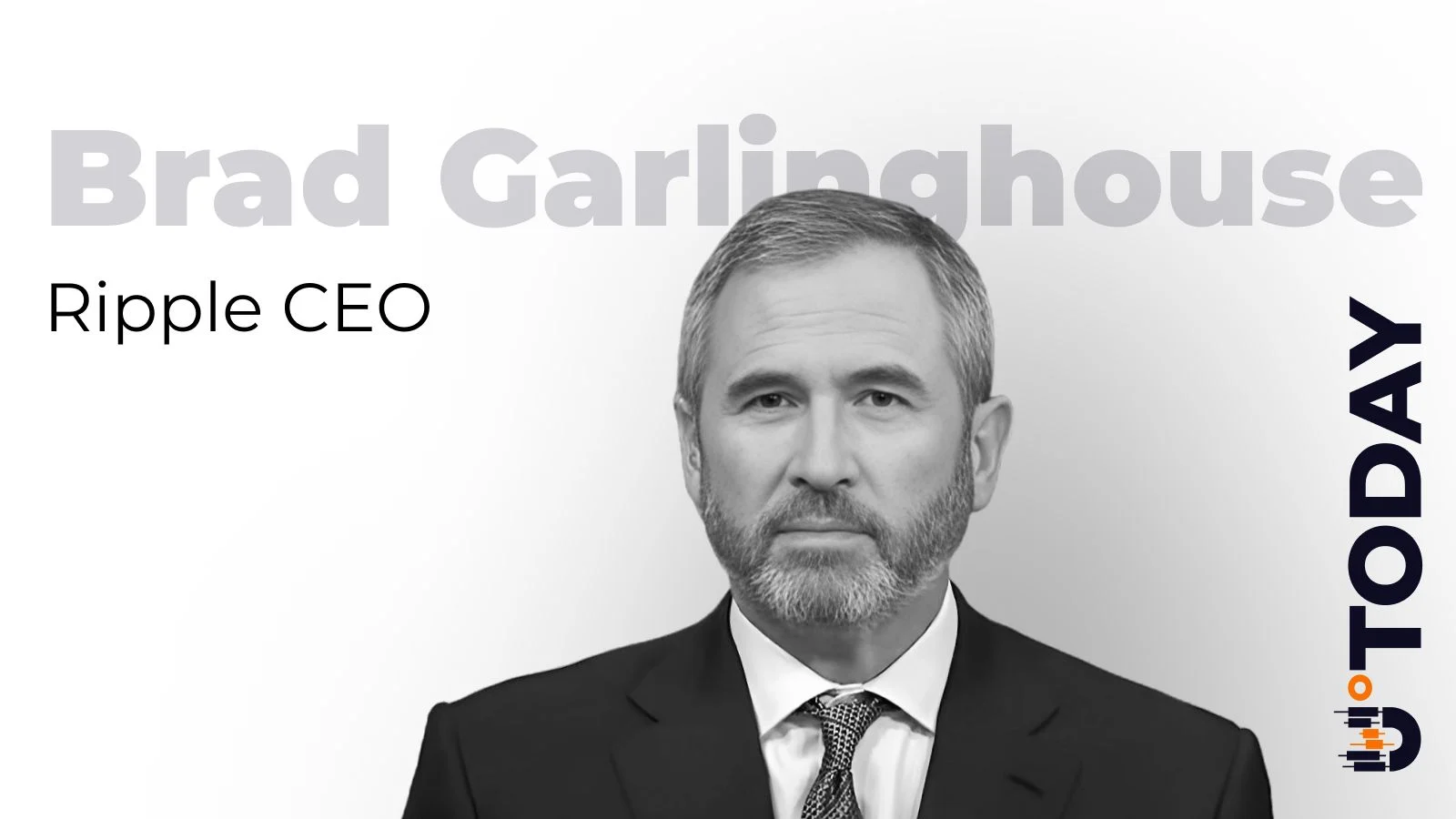
Ripple CEO Brad Garlinghouse is urging banks to negotiate the "Clarity Act" crypto bill in good faith, emphasizing that regulatory clarity is preferable to ongoing chaos. Despite disagreements, particularly from Coinbase's Brian Armstrong over stablecoin provisions, negotiations continue with industry bodies involved. Garlinghouse previously estimated an 80% chance of passage by April.

Major cryptocurrencies including ETH, SOL, and XRP saw significant recovery gains (up to 10%) on Sunday, rebounding from Saturday's geopolitical-driven losses. This bounce occurred on thin weekend liquidity and faces a key test as traditional markets reopen. The short-term outlook hinges on whether this optimism holds amid potential reactions in equities and oil.

Six Polymarket traders collectively earned approximately $1 million by accurately predicting a US strike on Iran before the end of February. The trades, made just hours before reported explosions, have raised suspicions of insider trading on the prediction market platform. This incident highlights ongoing concerns about market integrity and has prompted legislative action in the US.

XRP Ledger developer Wietse Wind has issued a warning about a new scam targeting XRP wallet holders. Scammers are sending fake NFTs, often with misleading "passes" or offers, aiming to trick users into trades or drain funds. Users are advised to cancel suspicious offers and never engage with unsolicited NFTs or share private wallet information.
Bitcoin experienced a recovery, reaching $68,200 after earlier dips linked to geopolitical tensions in Iran. The market appears to be pricing in a potential de-escalation following the reported death of Iran's Supreme Leader. Despite this short-term bounce, Bitcoin's performance in February and Q1 has been weak.

Polymarket has seen a significant surge in trading volume, exceeding $50 million, on contracts related to the conflict in Iran following airstrikes. A key market predicting the removal of Khamenei resolved to 100% after his death was confirmed, generating $45 million. This highlights the platform's ability to price geopolitical events in real-time, influencing broader market sentiment, including Bitcoin's recent price action.
Polymarket has seen record trading volumes, with over $529 million wagered on U.S.-Iran conflict outcomes and related geopolitical events. The platform experienced significant activity following reported strikes and the death of Iran's Supreme Leader, with traders pricing in ceasefire timelines and potential regime change. This highlights the growing use of prediction markets for real-time geopolitical risk assessment and price discovery.
Signal context only. Validate with price action, liquidity, and risk limits before taking a position.
