


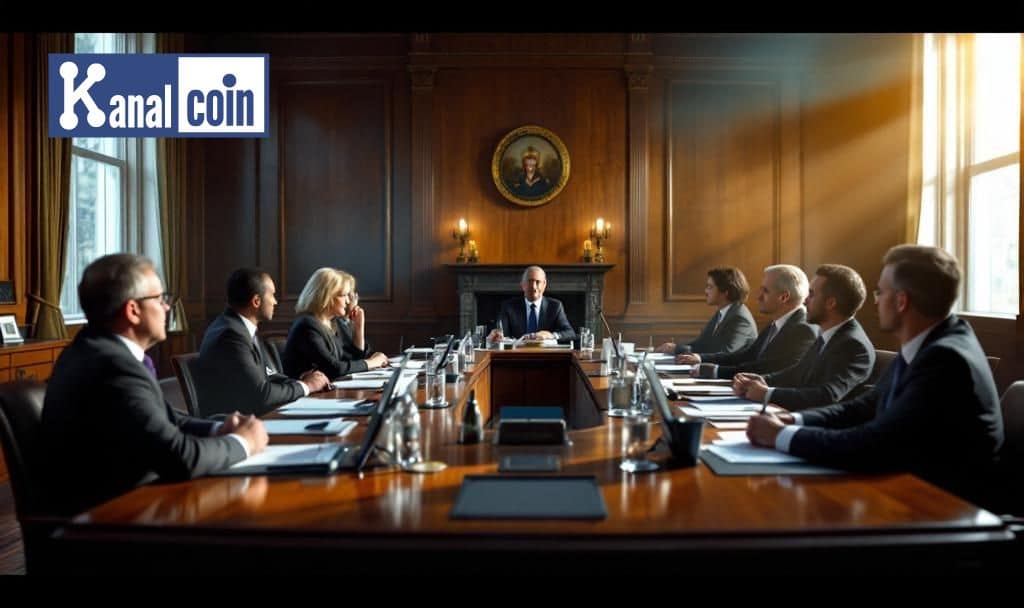
Congress Introduces Landmark Digital Asset Market Clarity Act
The U.S. Congress has unveiled the Digital Asset Market Clarity Act of 2025, a significant legislative effort aimed at resolving ambiguities in cryptocurrency regulation, particularly concerning the jurisdictional boundaries between the Securities and Exchange Commission (SEC) and the Commodity Futures Trading Commission (CFTC). This bipartisan bill seeks to establish clear classification paths for digital assets, thereby providing a more defined framework for their oversight.
The introduction of this bill is poised to transform the regulatory landscape for digital assets within the United States. Its potential passage could significantly impact market stability and encourage greater institutional involvement, marking what many consider a crucial turning point for the management and development of digital asset markets.
Key participants in the introduction of this legislation include senior lawmakers from the Senate Agriculture Committee and the House Financial Services Committee, who are actively driving discussions on asset classification and the need for regulatory clarity. The Executive Branch, under President Trump, has also expressed support for advancing competitive U.S. crypto regulations, indicating a unified governmental interest in this evolving sector.
Investors Anticipate Legal Certainty and Market Growth
Institutional investors are closely watching the progress of the CLARITY Act, anticipating that it will reduce legal uncertainty and potentially unlock new investment opportunities within the cryptocurrency space. The bill's proposed pathways for token creation and capital raising could foster increased innovation and encourage broader market entry for new projects and participants.
Early reactions from cryptocurrency industry leaders suggest a sentiment of cautious optimism regarding the bill's potential to create a more predictable regulatory environment. Experts in the field suggest that the act could lead to substantial changes in how digital assets are classified, a move that could have far-reaching implications for market participants.
Amanda Tuminelli, Executive Director of the DeFi Education Fund, expressed a key hope for the legislation: "We are hoping that the section left open for DeFi will be filled in with robust developer protections that clearly distinguish centralized intermediaries from software developers without custody and control of other people's money." This statement highlights the importance of nuanced regulation that protects innovation while ensuring accountability.
Historical trends indicate that periods of significant legislative activity surrounding cryptocurrencies have often been accompanied by market volatility. However, the CLARITY Act's focus on establishing clear rules is expected by many to lead to greater market stabilization in the long term.
Potential for Crypto Market Stabilization
Previous legislative efforts, such as the GENIUS Act, have historically influenced cryptocurrency markets, sometimes leading to short-term rallies in prominent assets like Bitcoin and Ethereum. Analysts and experts predict that the CLARITY Act could further stabilize the market by definitively resolving jurisdictional ambiguities between regulatory bodies, drawing parallels to the outcomes of prior regulatory advancements in the financial sector.
Analysis from Kanalcoin emphasizes the critical importance of maintaining momentum in both technological and financial innovation. Experts in the crypto space stress the necessity of recognizing the fundamental differences between decentralized technologies and traditional custodial services. This distinction is seen as crucial for implementing fair regulation that supports market growth and prevents stifling innovation.
The CLARITY Act aims to provide a more structured approach to digital asset regulation, addressing the complex interplay between innovation, investor protection, and market integrity. Its success in achieving these goals will likely depend on the detailed implementation of its provisions and the ongoing dialogue between regulators and the industry.