



Key Developments in Banking Regulation
On December 11, the Office of the Comptroller of the Currency (OCC) released a new report highlighting significant restrictions U.S. banks are placing on access to controversial industries. This development echoes concerns previously raised by the Trump administration regarding such practices.
The report underscores potential legal implications for banks, which could impact market dynamics, particularly within the digital assets sector, as regulatory focus intensifies on debanking practices.
OCC's Stance on Sector Access Denials
The OCC report reflects ongoing scrutiny of major U.S. banks concerning their debanking practices. These practices involve denying services to specific sectors and have attracted federal attention, partly due to actions taken by the Trump administration to encourage transparency and accountability.
Banks including JPMorgan Chase, Bank of America, and Citigroup are facing potential penalties if found legally liable for restricting industry access. The OCC has stated its commitment to pursuing accountability and may refer cases to the U.S. Attorney General for any illegal debanking activities. As the OCC articulated, “We will pursue accountability and may refer cases to the U.S. Attorney General for any illegal debanking activities.”
Market reactions to these developments have been muted thus far. However, internal banking policies may be re-evaluated to ensure compliance and greater openness in serving industries previously deemed controversial. While key financial leaders have not yet publicly commented on the report, legal experts anticipate significant regulatory shifts in the near future.
This is a developing story, and further analysis will be provided as more information becomes available.
Impact on Digital Assets and Market Trends
The OCC's examination of bank debanking practices is not without historical precedent. U.S. banks have previously restricted cryptocurrency purchases via credit cards, indicating a recurring pattern of regulatory scrutiny on digital assets.
Bitcoin (BTC) is currently trading at $91,139.17, with a market capitalization of $1.82 trillion. In the last 24 hours, BTC has experienced a -1.10% change, and over the past 90 days, it has declined by -21.22%. The cryptocurrency currently holds a market dominance of 58.71%.
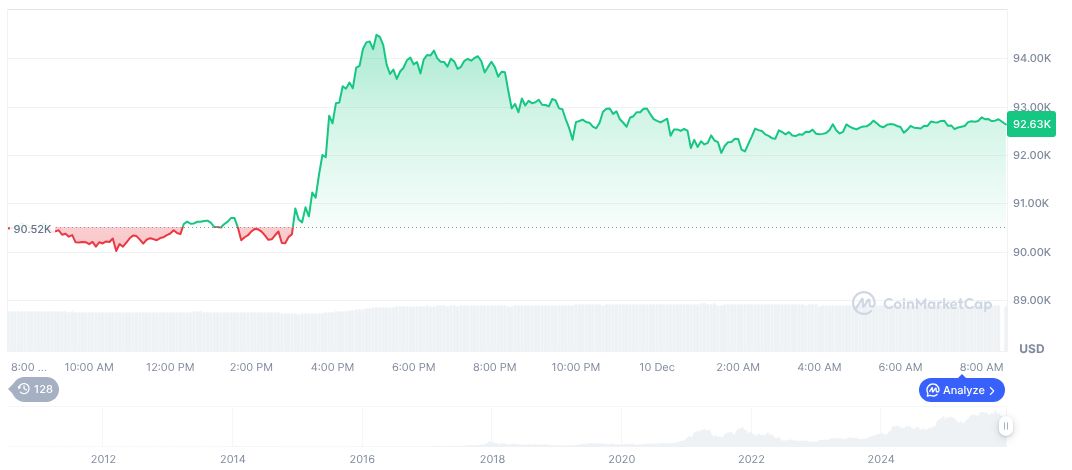
Analysts suggest that increased regulatory scrutiny could potentially lead to improved banking access for crypto firms, thereby enhancing market stability. Banks' adjustments to regulatory requirements may influence industry dynamics, possibly broadening market participation for digital assets.