


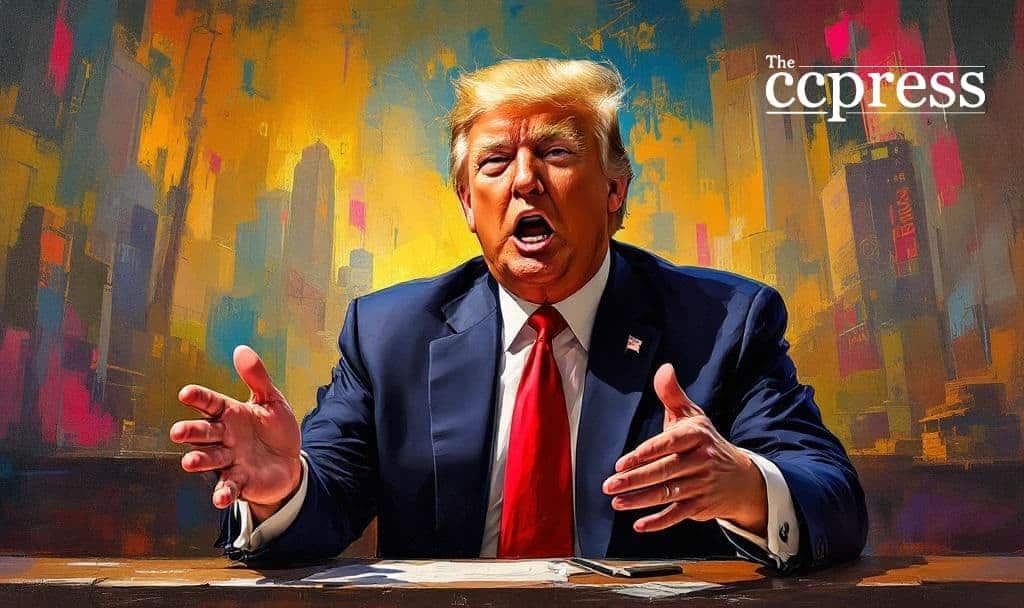
Market Reacts to Macroeconomic Policy Shifts
Donald Trump announced a 100% tariff on Chinese exports and a $2,000 dividend plan for most Americans, prompting a dramatic sell-off and subsequent rally in the crypto market.
The tariff announcement caused extreme volatility, with nearly $1 trillion wiped off and over $20 billion in liquidations, highlighting macroeconomic influences on cryptocurrency values.
Impact of Trade Policy on Digital Assets
Donald Trump announced a 100% tariff on Chinese exports with a $2,000 dividend plan for Americans, spurring a violent crypto sell-off. Market giants like Bitcoin plunged significantly before attempting a recovery. The United States of America will impose a tariff of 100 percent on China, starting November 1st, 2025, or sooner depending on China's actions.
The tariff plan, starting in 2025, excludes high-income people from the dividend. Chris Mellor from Invesco stated this event demonstrates Bitcoin's reaction to global trade policy, marking its integration into macroeconomic trends. Mellor noted, "Bitcoin now trades like a high-beta macro asset; it reacts to global trade policy, inflation data, and central bank signals. That's a sign of integration, not immaturity."
Massive Liquidations and Market Cap Decline
The announcement led to the liquidation of over $20 billion in leveraged positions, impacting 1.6 million traders. Major coins like Bitcoin and Ethereum experienced dramatic price swings in response to these structural shocks.
The financial implications include a reduction of nearly $1 trillion from the crypto market in a day. This perspective highlights the volatility that can ensue from macroeconomic policies affecting decentralized markets.
Historical Context and Future Outlook
Historically, tariff and trade disputes have caused similar market disruptions. However, the scale of this financial event is unparalleled, reflecting deep market reactions to economic policy changes announced by world leaders.
Experts suggest the market's future hinges on ongoing geopolitical developments and economic negotiations. They predict digital currencies may endure more volatility in such macroeconomic contexts, posing challenges to their perceived stability.