


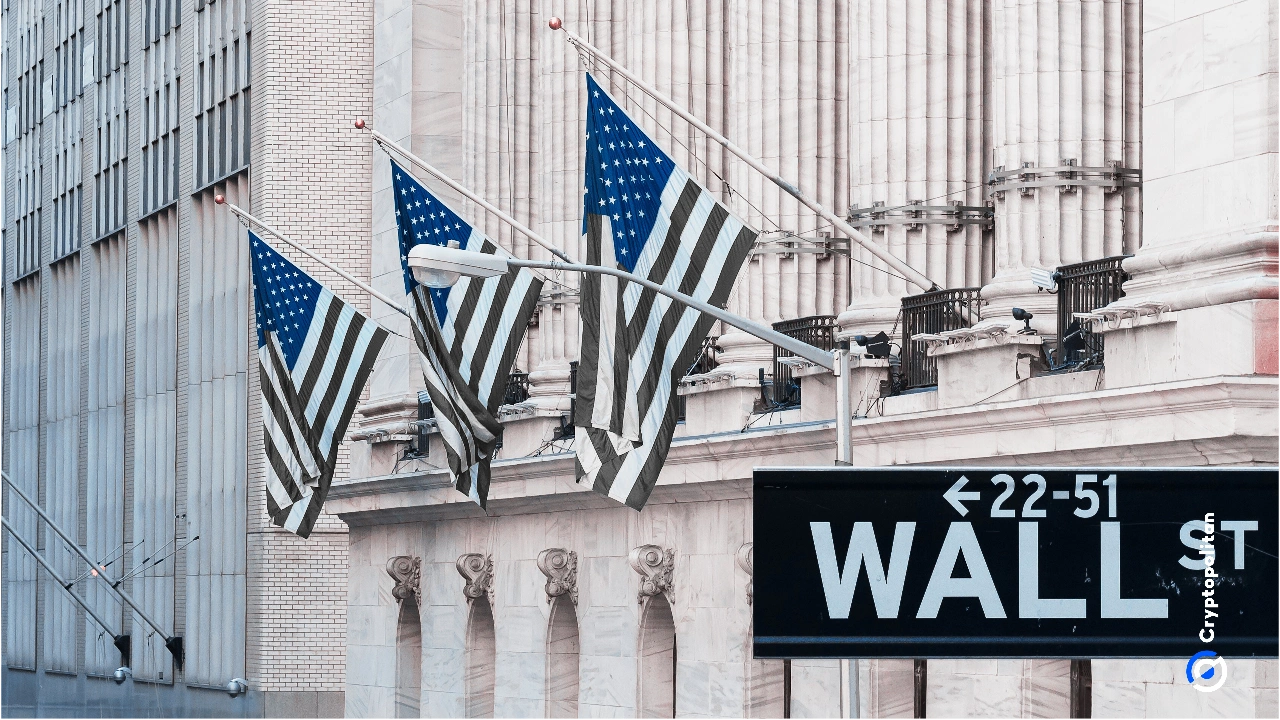
Banks Warn of Lending Restrictions and Economic Slowdown
Wall Street experienced significant volatility following Donald Trump's announcement of his intention to implement a one-year 10% cap on credit card interest rates. Major U.S. banks have voiced strong concerns, warning that such a policy would severely impact a crucial income source and hinder their ability to extend credit to millions of Americans.
The average credit card interest rate currently stands at 19.6%, and credit cards are the primary method for approximately 70% of all retail payments in the United States. Financial industry leaders have stated that forcing a reduction in these rates would compel them to scale back on the number of individuals and businesses receiving credit.
Impact on Lending and Economic Growth
Citigroup's finance chief, Mark Mason, articulated the potential consequences, stating that a cap would result in "a restriction on providing credit in the market to those who need it most because of the economic impact to the business model of this industry." He further elaborated that it would lead to "unintended consequences on the consumer" and could precipitate a "significant slowdown on the economy."
Similarly, Wells Fargo's finance chief, Mike Santomassimo, highlighted the widespread negative effects. He cautioned about a "significant negative impact of credit availability for a wide spectrum of people" and predicted that economic growth would suffer if the proposed cap were to become law.
Trump's Rationale and Broader Economic Proposals
Donald Trump defended his proposal on Truth Social, asserting that consumers should not be subjected to credit card companies charging rates of 20% to 30%. His credit card rate cap proposal was part of a larger package of economic plans, which also included a $200 billion government purchase of mortgage-backed securities aimed at lowering mortgage rates. Additionally, he proposed barring institutional investors from acquiring single-family homes. The financial markets perceived this package as aggressive and hastily developed.
Political Maneuvers and Industry Pushback
Trump had previously raised the idea of an interest rate cap during his 2024 campaign. However, his initial year in office was more focused on easing bank capital requirements and diminishing the authority of the Consumer Financial Protection Bureau.
Aaron Klein, a fellow at the Brookings Institution, observed that Trump's current proposals echo sentiments previously expressed by Bernie Sanders, who advocated for a similar cap last year with support from Elizabeth Warren. That particular legislative effort did not advance in Congress.
Following the news, shares of financial institutions including Capital One, American Express, and Citigroup experienced declines. JPMorgan's finance chief, Jeremy Barnum, indicated that "everything’s on the table," potentially including legal challenges, and described the proposal as poorly substantiated and lacking justification. This response was interpreted by Wall Street as a signal of the industry's readiness to strongly resist the proposed changes.
Klein suggested that a 10% cap would likely reduce access to credit, redirecting borrowers towards less regulated lenders, and negatively impact small businesses that often depend on credit cards and home equity lines in their early stages. However, not all analyses were in agreement.
Shearer's research indicated that while profits might decrease, lending activity would not collapse. He posited that banks could absorb reduced profits by cutting back on customer rewards programs. A study conducted by the New York Fed found that credit card lending yields a return on assets of 6.8%, which is more than four times the average for the broader banking sector.
Support for the idea also emerged from Sebastian Siemiatkowski, CEO of Klarna. He pointed out that similar interest rate caps are already in place in Portugal, the Netherlands, and France, with rates ranging from 12% to 24%, without causing market instability. He argued that the current system is flawed and that some borrowing rates lead to unfavorable outcomes for consumers.
Legislative Hurdles and Market Implications
Policy experts have noted that Trump cannot unilaterally impose such a cap; it would require legislative action. While there appears to be some bipartisan interest in addressing credit card rates, significant opposition exists within Trump's own party. House Speaker Mike Johnson described the proposal as complex and acknowledged that building consensus would necessitate considerable effort.
Wall Street views this initiative as another instance of the White House attempting to influence monetary policy during its ongoing discussions with the Federal Reserve.
Jai Kedia of the Cato Institute suggested that Trump recognizes the impact of high borrowing costs on the upcoming election, which is why he is advocating for reduced money costs. The financial industry is now preparing for future developments.