


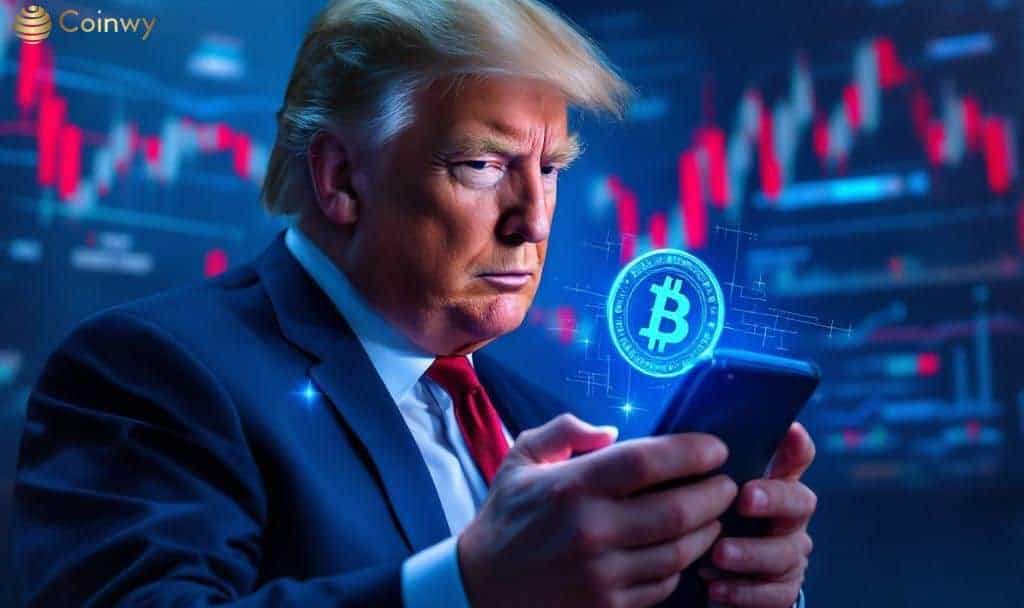
Donald Trump's recent posts have caused a significant spike in the $TRUMP meme coin, briefly positioning it as the top-performing digital asset in the cryptocurrency market. This event highlights potential governance issues within the crypto space and underscores the profound influence political figures can wield over digital assets through social media. Consequently, the activity has prompted increased regulatory scrutiny and criticisms regarding conflicts of interest in crypto endorsements.
Trump's Involvement with $TRUMP Meme Coin
Donald Trump has recently utilized social media platforms, particularly Truth Social, to promote his meme coin, $TRUMP. This engagement is consistent with his prior involvement in the cryptocurrency sector. The former U.S. President is actively participating in the promotion of $TRUMP, a coin that has connections to his family and associated entities. These actions have initiated discussions about their potential implications for the market and regulatory frameworks.
Market Reaction and Financial Implications
The cryptocurrency market responded swiftly to Trump's endorsement, leading to a substantial surge in the price of $TRUMP. This immediate spike demonstrates the significant impact that prominent political figures can have on the crypto sector. While the event resulted in a temporary increase in valuation, it also emphasized the highly speculative nature of meme coins. The situation has amplified concerns about conflicts of interest and governance challenges associated with such endorsements.
Quotes and Community Reactions
"I LOVE $TRUMP — SO COOL!!! The Greatest of them all!!!!!!!!!!!!!!!!" - Donald Trump
The broader crypto community is closely observing these developments, anticipating potential regulatory actions as Congress examines the ethical dimensions of this activity. The future trajectory of the $TRUMP coin is likely to be influenced by regulatory responses, which could shape both financial and ethical landscapes within the digital asset space. Historical market trends suggest that similar situations often lead to increased volatility and heightened scrutiny.