


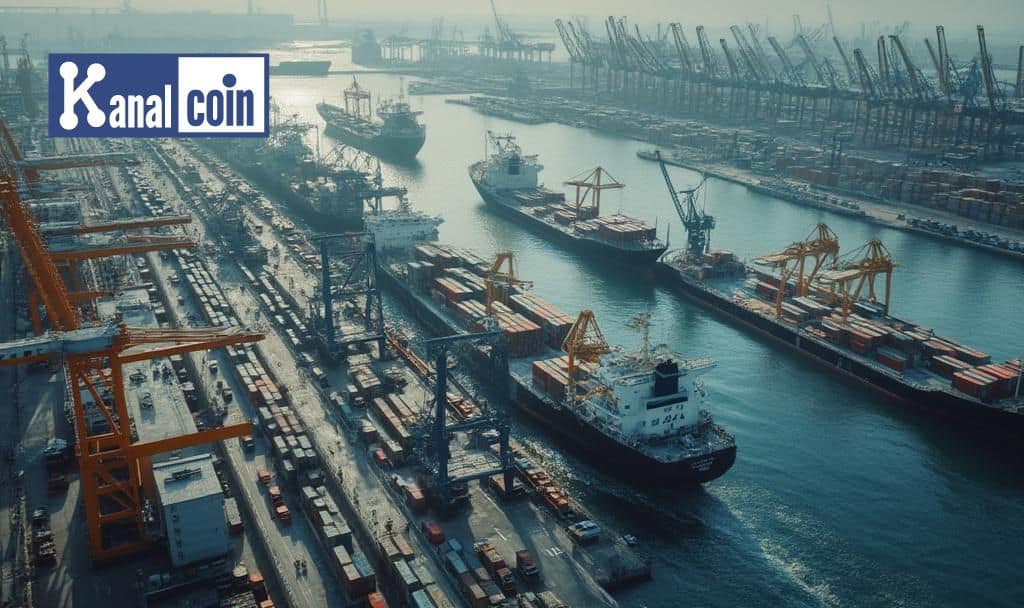
The Trump administration has enforced new tariffs, resulting in a $34 million tariff bill on Chinese shipping. This action is part of a broader strategy to address China’s dominance in the maritime sector, according to the Office of the U.S. Trade Representative.
These measures aim to protect U.S. maritime interests but may escalate trade tensions, potentially impacting global shipping costs and market stability.
Addressing China's Maritime Dominance
President Donald Trump authorized these tariffs to counteract "nonreciprocal trade practices." The financial burden primarily impacts U.S. businesses and farmers, increasing shipping costs by at least 25% for Chinese imports.
Retail Costs Expected to Increase Due to Tariffs
Retailers and importers have expressed concern over potential price hikes. These fees are expected to raise expenses, eventually passing costs onto consumers. The U.S. Trade Deficit may widen, affecting trade relationships with China.
Current data indicate potential regulatory challenges for U.S. ports. The redirecting of funds affects both maritime infrastructure and offshore wind projects, underscoring the new tariff regime's influence on financial and strategic sectors.
Parallels Drawn with Section 301 Tariff History
The administration's actions mirror prior tariff increases under the Section 301 investigation. Historical trends show these measures' impact on export revenues and trade balances during similar periods of economic tensions.
Experts see possible trade deficits and reduced export competitiveness, drawing parallels with previous tariff cycles. The emphasis on traditional shipping, rather than digital assets, keeps this action distinct from typical crypto market influences.
The United States is taking action to address China's attempts to dominate shipbuilding and related maritime sectors, which distort global markets and disadvantage American businesses.
U.S. Trade Representative (USTR)