
Navigating Crypto News

CoinFeather
Navigating Crypto News
Quick market read from this story
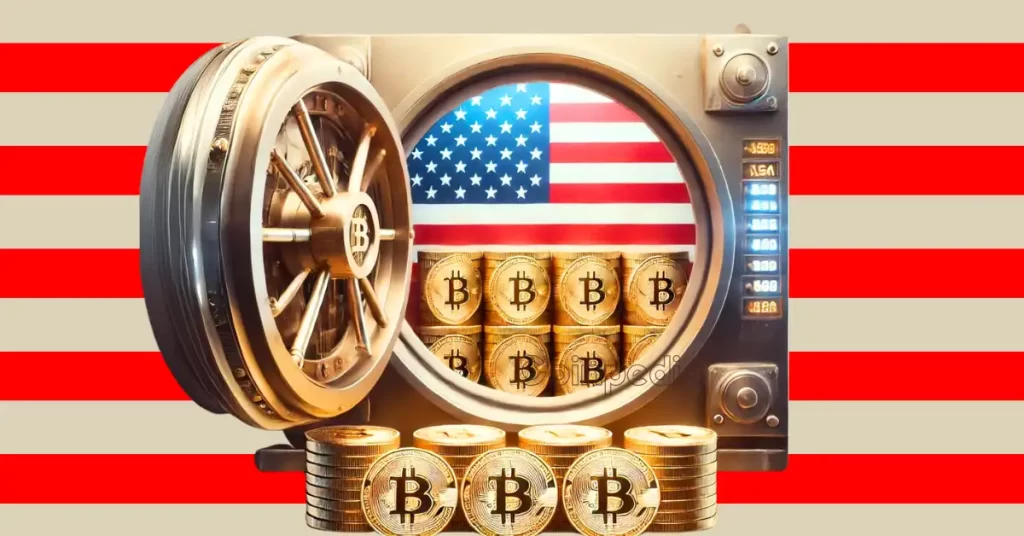
The U.S. government's movement of seized Bitcoin to Coinbase Prime signals a shift towards active management and potential integration into national reserves, moving beyond simple law enforcement asset liquidation.
This development indicates a strategic re-evaluation of Bitcoin as a state asset, suggesting a long-term holding strategy rather than immediate selling, which could influence future market supply dynamics.
While the immediate market reaction is calm due to the small transaction size, the underlying trend of governments treating crypto as a strategic asset warrants close observation for broader market implications.
Source, catalyst, and sector overlap from the latest feed.
The upcoming SEC Clarity Act roundtable on April 16th is a key catalyst for XRP, as discussions on digital asset classification could significantly alter market sentiment and regulatory outlook. XRP's price is consolidating above a critical demand zone near $1.30, indicating potential for a breakout if regulatory clarity emerges, with immediate resistance at $1.40-$1.45. Cooling on-chain activity and low trading volume suggest XRP is in a pre-breakout consolidation phase, historically preceding significant directional moves. While improved macro conditions support XRP, the primary driver for a near-term rally hinges on positive outcomes from the SEC roundtable, potentially shifting its regulatory status.
Live Feed
Loading the broader stream in the same flow as the homepage feed.

The revelation that World Liberty Financial (WLFI) used billions of its own tokens as collateral to borrow $75 million in stablecoins has triggered significant market concern and led to an all-time low for the token. DeFi analysts highlight the risk of cascading liquidations on Dolomite if WLFI's price continues to fall, potentially impacting lenders on the platform due to the token's illiquidity. World Liberty Financial's defense of the strategy as a yield-generating mechanism for "anchor borrowers" and its upcoming governance proposal for phased token unlocks suggest an attempt to stabilize the situation, but market confidence remains shaken. The situation raises questions about the sustainability of using native tokens as collateral for borrowing, particularly for less liquid assets, and could lead to increased scrutiny of similar DeFi lending practices.
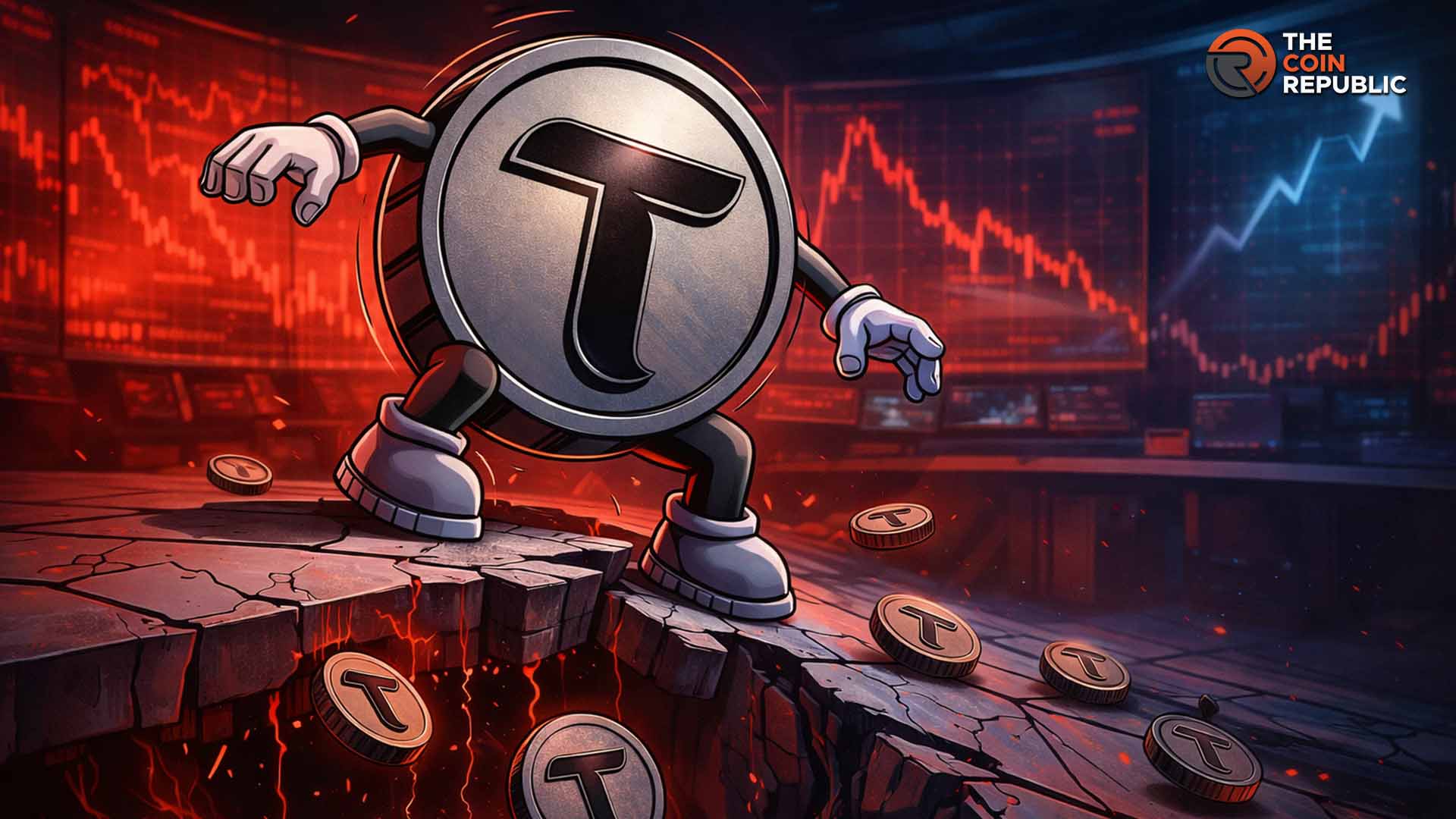
The exit of a major player, Covenant AI, and subsequent large TAO token sale triggered a significant price drop, highlighting the volatility and potential centralization concerns within the Bittensor ecosystem. Despite a 20% price crash and accusations of 'decentralization theatre', some analysts like Michaël van de Poppe view the sell-off as overstretched and potentially a buying opportunity, suggesting short-term panic may not reflect long-term fundamentals. The event underscores the risks associated with permissionless ecosystems where large-scale exits and token dumps can rapidly impact price, even for projects with strong AI integration narratives.

IPO Genie's continued presale into Phase 80 in Q2 2026 indicates an ongoing fundraising effort rather than an immediate launch, suggesting a longer-term development cycle. The project's positioning as an AI-assisted platform for private-market and pre-IPO research, with its $IPO token functioning as a utility token, highlights a focus on platform utility and governance. Despite reaching Phase 80, the article emphasizes that early-stage crypto project risks remain high, urging investors to focus on product use case, token role, and clear disclosures over speculative claims. The market in Q2 2026 is characterized by increased selectivity in crypto presales, with a greater emphasis on project structure, utility, and transparency, making IPO Genie's continued activity a test of its fundamental value proposition.
The post No, Bitcoin Has Not Bottomed Yet: Analyst Who Called the Top Explains Why appeared first on Coinpedia Fintech News Bitcoin just had its best week in a while. The ceasefire rally, the CPI relief, $73,000 briefly touched. After weeks of grinding losses, it finally feels like something has changed. But one analyst who publicly called the top six months ago is not buying the narrative shift. According to Benjamin Cowen, founder of Into The …

Bitcoin traders are rebuilding bets on a move toward $80,000 as easing geopolitical tensions, firmer institutional demand, and a rebound above $70,000 revive appetite for upside exposure after weeks of defensive positioning. On Coinbase-owned Deribit, the largest venue for crypto options, the $80,000 call has become the single biggest strike by open interest this week, […] The post Bitcoin bulls are eyeing $100,000, yet the futures market hints at another dip first appeared first on CryptoSlate.

Zcash (ZEC) experienced a significant 35% weekly gain, outperforming major cryptocurrencies, driven by easing geopolitical tensions and positive infrastructure developments. Despite strong inflows and a 40% rally from recent lows, ZEC is in overbought territory, indicating potential for profit-taking and a near-term retracement. The planned institutional mining pool by Foundry Digital provides validation for ZEC's appeal, potentially counteracting concerns from the core development team's exit. Whale activity shows mixed signals with substantial inflows via Coinbase but significant outflows from derivatives markets, suggesting divided sentiment on ZEC's immediate price direction.

Bhutan's significant reduction in Bitcoin holdings, selling approximately 70% over 18 months, suggests a strategic shift away from its BTC reserves, potentially impacting market sentiment for holders of large, previously stable positions. The substantial liquidation of $215.7 million in Bitcoin this year, coupled with a decline in mining inflows, indicates a potential exit from Bitcoin mining operations, signaling a reduced demand-side pressure from sovereign entities. While the direct market impact of Bhutan's sales may be limited due to its relatively small size, the trend of a nation-state reducing its Bitcoin exposure could be interpreted as a bearish signal by some market participants, especially if other sovereign entities follow suit.
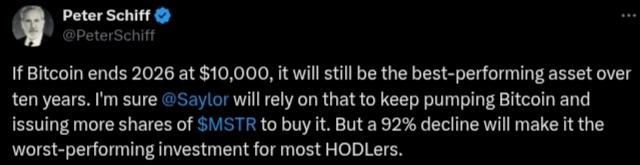
Peter Schiff's bearish commentary on Bitcoin, including a hypothetical $10K scenario, contrasts sharply with MicroStrategy's continued accumulation, highlighting a divergence in market sentiment and strategy. The article presents a worst-case scenario for Bitcoin potentially dropping to $10,000 due to macro factors like geopolitical tensions and liquidity collapse, suggesting significant downside risk if these conditions materialize. Despite bearish predictions and market volatility, MicroStrategy's recent $330 million BTC purchase underscores a strong conviction in Bitcoin's long-term value, potentially signaling confidence to other institutional investors. While some analysts predict a sharp decline, others, like Michaël van de Poppe, anticipate a near-term recovery to $86,000, indicating a divided outlook on Bitcoin's immediate price action amidst escalating geopolitical risks.
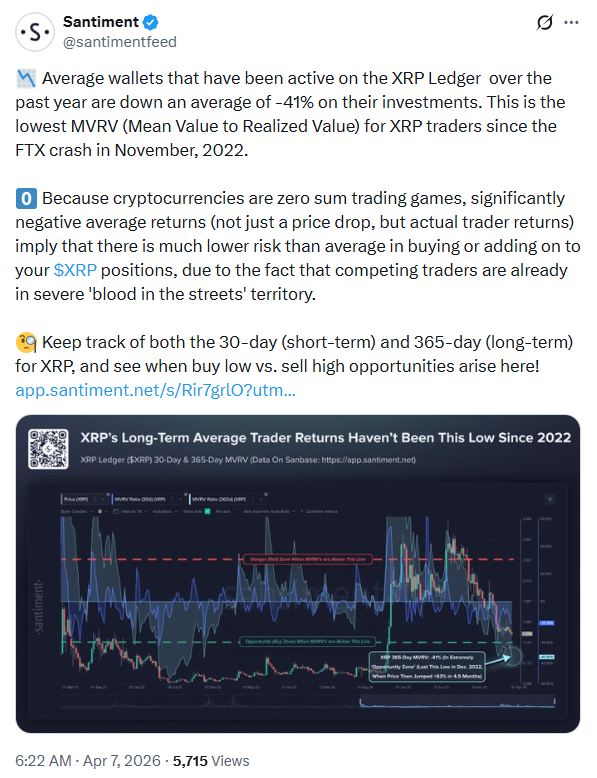
XRP Ledger active wallets are experiencing significant losses, with MVRV levels at their lowest since the FTX crash, suggesting that most weak hands may have already exited the market. Despite on-chain losses, Ripple's strategic expansion in Africa, driven by strengthening regulatory frameworks, indicates a long-term growth strategy that could support future XRP Ledger activity. Mixed inflows into XRP ETFs, with total assets near $940 million, signal cautious institutional interest, suggesting that large investors are still assessing the market rather than committing to firm long-term positions.
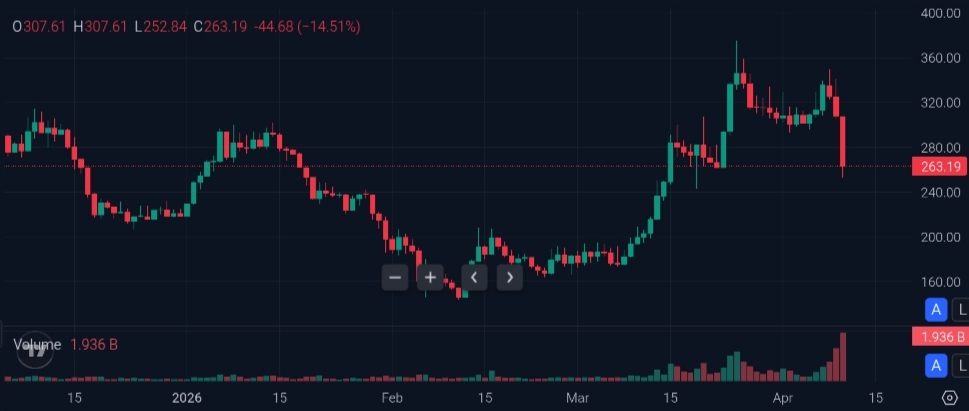
Key Insights: Bittensor dropped by almost one-fifth as Covenant AI pulled out of the network and sold TAO tokens. Sam Dare charged Jacob Steeves with centralized control, terming governance to be a decentralization theatre. Analysts attribute the Bittensor price crash to panic selling, and a massive exit by the subnet, but others consider that the […] The post Here’s Why Bittensor Price Crashed 20%, Will TAO Crypto Bounce Back? appeared first on The Coin Republic.
Signal context only. Validate with price action, liquidity, and risk limits before taking a position.
Despite a significant spike in whale transactions and exchange outflows, WLFI's price has declined over 22% in four days, indicating that on-chain activity does not yet confirm accumulation and suggests potential for further downside. The divergence between increased whale activity and a falling price creates uncertainty, implying that traders should await clear price action confirmation of a trend reversal rather than relying solely on whale movements. With RSI near oversold levels but Chaikin Money Flow negative and volume lacking accumulation signals, WLFI faces strong resistance on any bounce and a breakdown below $0.077 could accelerate losses, making the current setup high-risk.
