



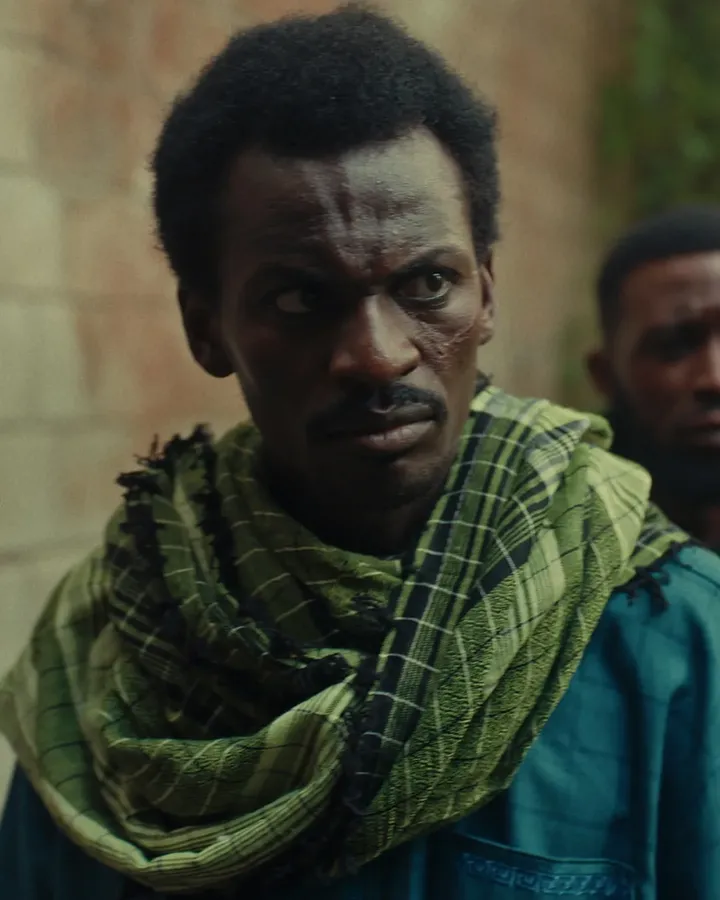
“The Herd” hits Netflix like a slap you didn’t see coming. A car with wedding celebrants, a line-up of vehicles with travellers, gets hijacked by “herdsmen” on a lonely road. What starts as a familiar Nigerian nightmare quickly spirals into something darker, twistier, and uncomfortably real.
The Strengths of "The Herd"
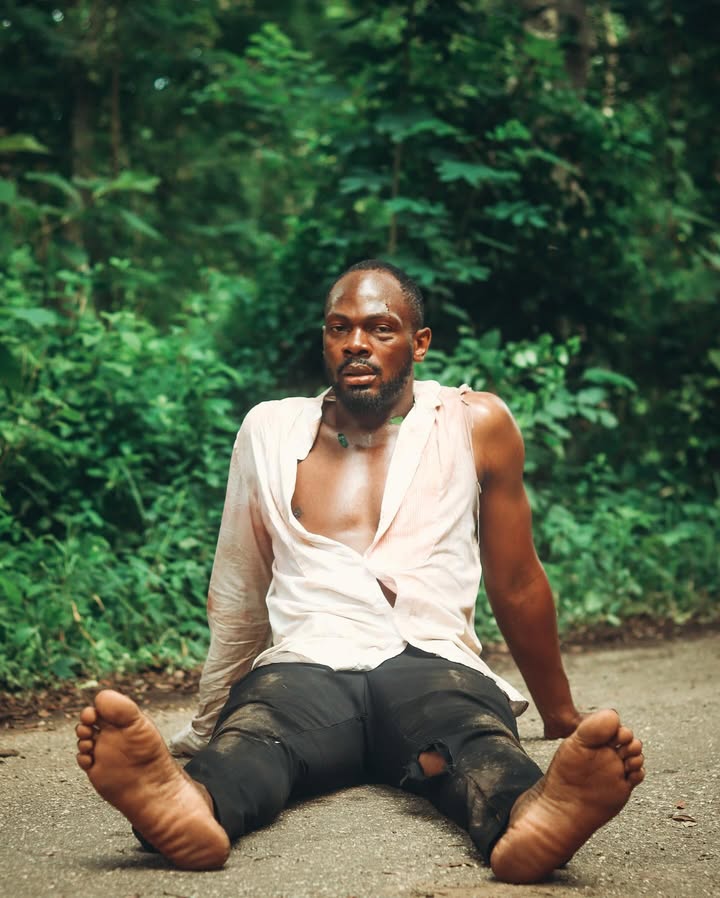
The film is incredibly tense. The kidnapping sequence is brutal and chaotic in the best way, eschewing heroic slow-motion for raw panic, screaming, and the sickening sounds of violence. Once the victims are in the bush, the movie maintains its grip, refusing to let the audience breathe. Every small decision, from whether to run or fight or pray, feels fraught with peril and often leads to tragic consequences.
The social commentary is sharp and unapologetic. In one heartbreaking thread, the bride’s mother's insistence on taking "just a few more pictures" could have potentially saved them from the kidnappers, highlighting the dangerous consequences of misplaced priorities. Another subplot brings the ancient Osu caste system into the middle of a life-or-death crisis, demonstrating how deeply ingrained certain prejudices can be.
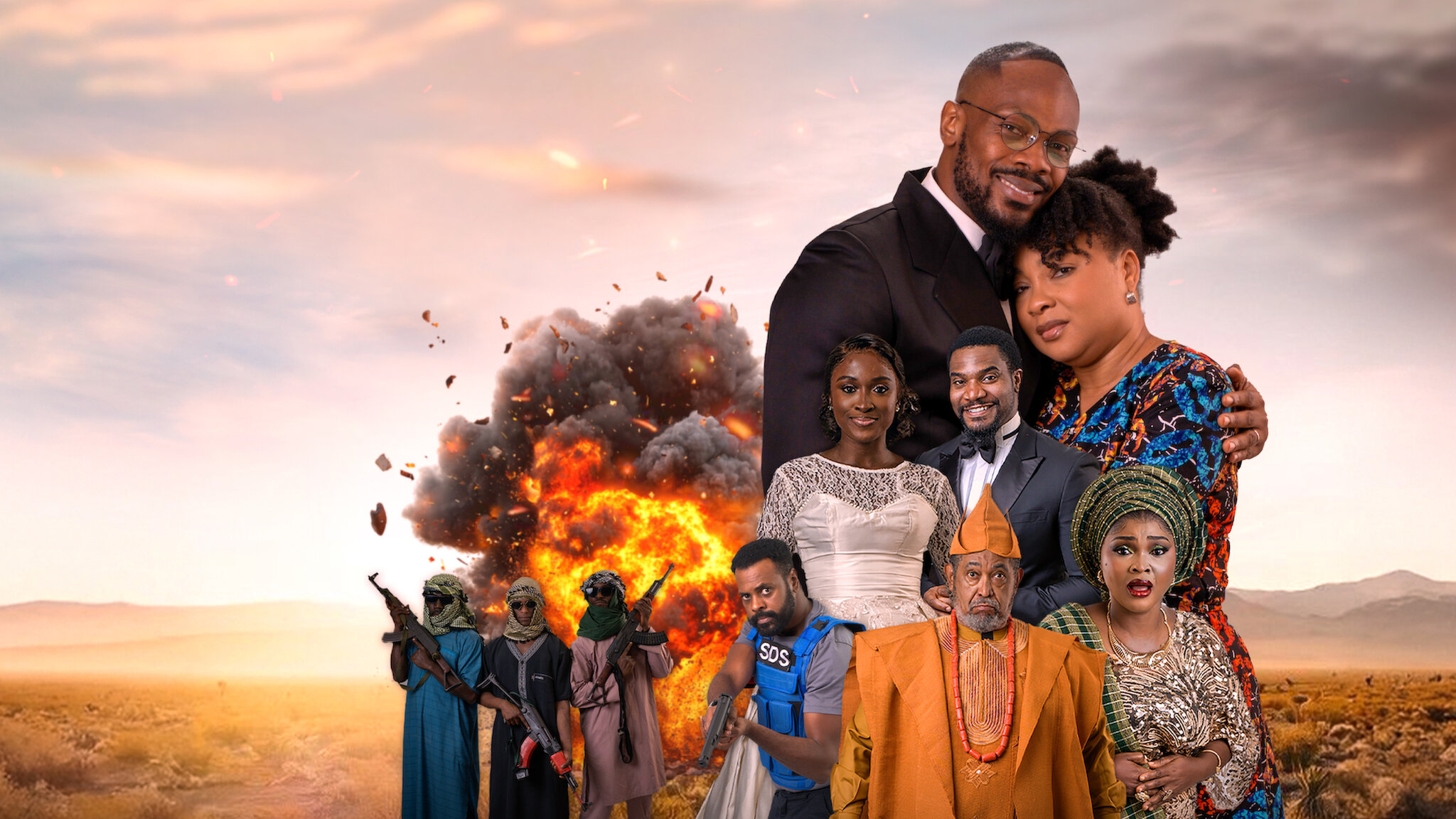
The film delivers a significant gut-punch with the reveal of the mastermind behind an organ-harvesting ring, who is not who one would expect. The movie does not shy away from depicting how evil can sometimes hide behind a veneer of respectability, even appearing in religious settings.
The plot is filled with twists. Some are clever, while others feel more convenient. The narrative includes a Yoruba woman deeply involved in the gang, a "breakout" crew of terrorists, and a prayer session. The film also depicts a random shootout among the criminals, illustrating a common theme of internal conflict over resources.
Areas for Improvement in "The Herd"
The film occasionally struggles with its own ambition. Questions arise regarding the rapid convergence of families at a single police station and the implausibly swift tracking of kidnappers' locations by law enforcement. Furthermore, there are geographical inconsistencies, with scenes set in Abeokuta and its surrounding areas, while the ransom delivery is demanded in Kogi, creating a jarring disconnect. Viewers may need to suspend disbelief regarding the film's geographical logic.
Additionally, a few characters disappear in the third act without any explanation. It remains unclear whether they survived, what happened to the pastor's network, or the fate of the Mama who warned her boys, leaving their stories unresolved.

Despite these flaws, these imperfections contribute to the film's chaotic charm. "The Herd" does not feel overly polished or focus-grouped; instead, it appears to be a creation born from a place of anger, fear, and weariness with the constant stream of negative news. While not perfect, the film possesses a raw vitality.
Conclusion
If you are seeking a sleek, logically structured thriller, you might find other options more suitable. However, if you desire a film that mirrors the urgent, often chaotic discussions found in Nigerian group chats at 2 a.m. – debates about insecurity, religion, and the struggle to make sensible decisions – then "The Herd" is a worthwhile watch.
We give “The Herd” a 6/10. It is messy, maddening, and impossible to forget.