


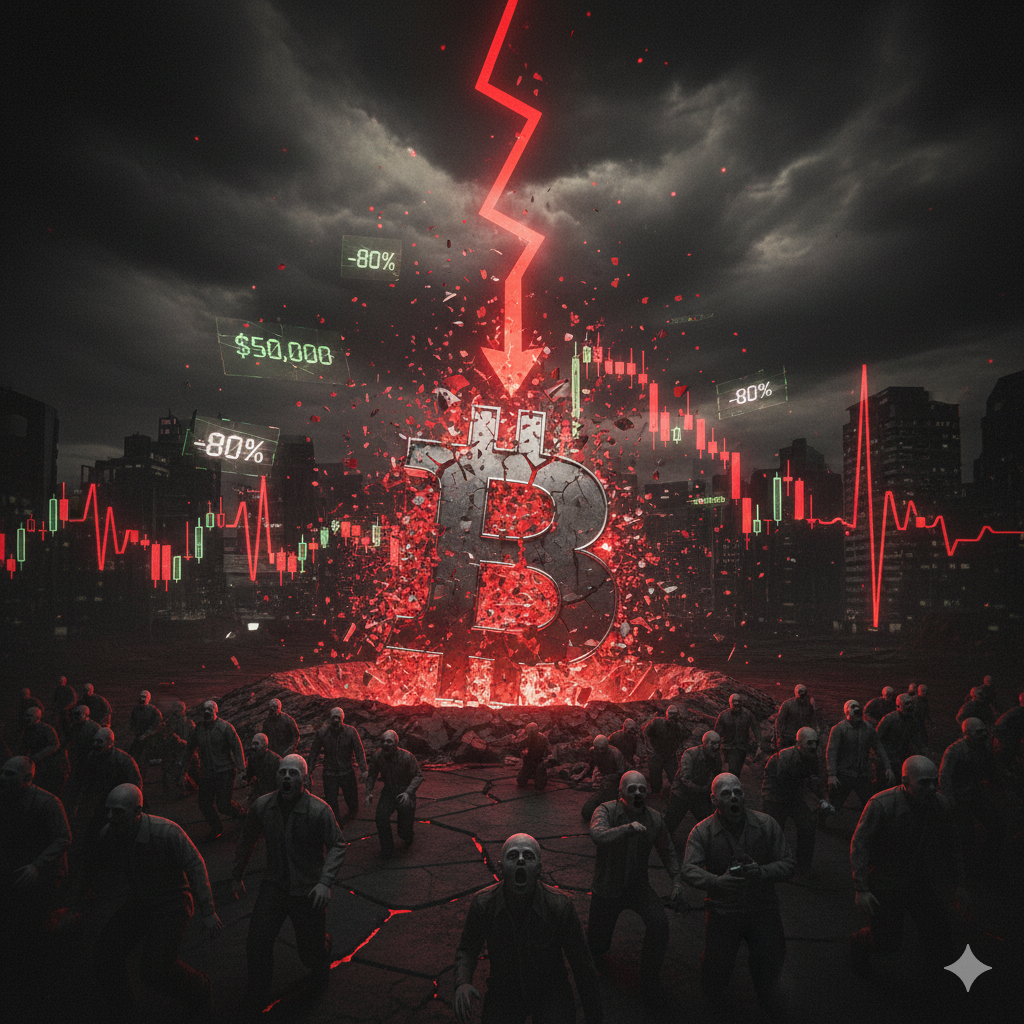
The history of Bitcoin is defined by an unwavering four-year rhythm, a cyclical narrative driven by the programmed scarcity of the Halving event and amplified by the volatile extremes of human emotion. This pattern is less a predictable investment model and more a brutal, recurring drama that has minted millionaires, dissolved fortunes, and left an indelible mark of financial trauma on a generation of investors.
The Inexorable Rhythm: Halving and Hysteria
The core mechanism of the four-year cycle is the Bitcoin Halving, a protocol event occurring roughly every 210,000 blocks (or approximately every four years) where the reward paid to miners for validating transactions is cut by 50%. This engineered supply shock reduces the daily influx of new Bitcoin, establishing a deflationary pressure that acts as the catalyst for the subsequent parabolic rally.
The cycle then follows a predictable, almost mythological, path:
- Accumulation (Post-Crash): The phase of maximal pessimism, characterized by low volume, fear, and "HODLers" quietly accumulating.
- Rally (Pre-Halving): Price begins to move, fueled by media attention and the return of institutional interest.
- Euphoria (Post-Halving to Peak): The price moves exponentially, driven by retail FOMO (Fear Of Missing Out) and the widespread belief that "this time is different." This is the period of market insanity.
- Distribution and Collapse: The top is marked by extreme greed. When the inevitable supply meets waning demand, the market crashes, wiping out up to 80% of the value created during the bull run.
Three Eras of Devastation
Each cycle top has been defined by unique, catastrophic events that tested the mettle of the entire ecosystem, transforming abstract financial loss into acute personal crises.

The 2017-2018 Crypto Winter: The Retail Massacre
The 2017 peak was a retail phenomenon. Fueled by Initial Coin Offering (ICO) mania, millions of average people poured life savings, credit card debt, and student loans into the market, believing in overnight riches.
The inevitable crash that followed was a slow, agonizing grind. From nearly $20,000, Bitcoin bled down to $3,000 over the course of 2018. The pain was not a flash crash; it was a year-long psychological torture session where optimism slowly gave way to despair. Thousands of individuals saw their net worth erased, leading to widespread financial distress, strained relationships, and the heartbreaking rise of depression and in some reported cases, suicide, linked to extreme debt and loss of future prospects. The market was covered in a thick blanket of existential fear.
The 2022 Crypto Contagion: Institutional Betrayal
The 2021 cycle peak saw institutional involvement, but the subsequent 2022 crash was far more destructive due to systemic failure. While Bitcoin itself remained resilient, the centralized entities that orbited it failed spectacularly.
The collapse of the Terra/Luna ecosystem in May 2022, which saw $40 billion vanish almost overnight, initiated a cascade of insolvency: Three Arrows Capital (3AC), Celsius, Voyager, and ultimately, the FTX exchange in November 2022. This crash was defined not just by price drop, but by the absolute loss of user funds held by these centralized custodians. People did not just lose money; they lost access to their principal entirely, driving many to financial ruin and desperation. The fear was acute, changing from "will the price recover?" to "is my money gone forever?"
The Psychological Toll: A Study in Fear
The extreme volatility of the Bitcoin cycle has proven to be a devastating psychological crucible for participants.
- •Euphoria: The peak sentiment is characterized by unchecked greed, irrational exuberance, and a complete disregard for risk.
- •Capitulation: The bottom is marked by true, paralyzing fear. Investors are forced to sell at maximum loss, not due to logic, but because the mental anguish of holding is simply unbearable.
The stories are legion: the investor who leveraged their house, the new college graduate who put their entire savings into an altcoin, the retirees who chased the promise of easy returns. These are the human costs of the cycle, the bankruptcies, the destruction of trust, and the crushing sense of failure. The fear that covered the market during the 2018 and 2022 bear runs was a tangible presence, a collective trauma that underscores the high stakes of participating in this unregulated, yet revolutionary, financial frontier.