


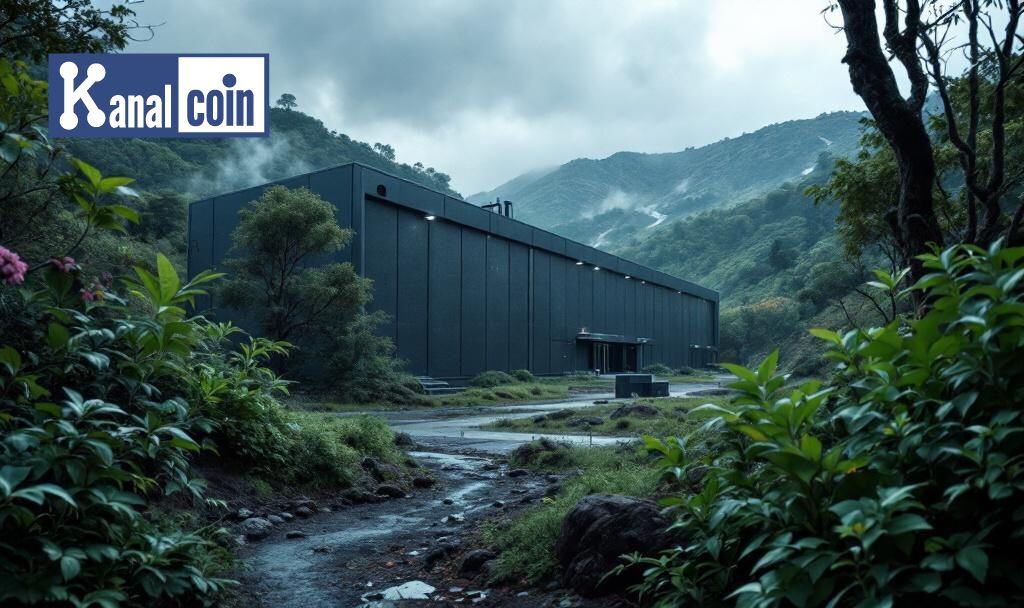
Tether, the well-known stablecoin issuer, has suspended its $500 million Bitcoin mining operation in Uruguay. The mining initiative aimed to capitalize on renewable energy sources but was halted due to cost inefficiencies and financial complications.
Involving key players like Paolo Ardoino and local entities such as UTE, the cessation highlights critical financial and strategic changes. Tether's executives confirmed the stoppage, marking a significant pivot in their regional business strategy.
Shutdown of Tether Mining Facility Affects 30 Jobs
The shutdown affected 30 local workers, with the Ministry of Labor formalizing layoffs. Financial disputes, including $4.8 million owed, and unsustainable energy expenses are central to the closure. The immediate impacts on BTC or broader crypto markets remain minimal.
Tether's decision reflects broader industry struggles with rising energy costs. Historical data shows similar ventures facing cost-related challenges, affecting operational viability. This event exemplifies how such pressures can dictate the future of large-scale mining operations.
"The decision to suspend mining operations was not taken lightly, but financial disputes and energy costs made it unsustainable." — Tether Spokesperson, Tether
High Energy Costs Pose Challenge to Bitcoin Mining
Comparing to past mining project issues, Tether's step resembles other companies' challenges with high energy expenses. Globally, mining ventures have frequently stalled, emphasizing the vulnerability of crypto operations in cost-volatile environments.
Experts suggest this could drive Tether towards more sustainable blockchain projects. Data indicates a potential shift in crypto investments regionally, as firms reconsider energy-intensive operations, focusing instead on economic feasibility.