
Navigating Crypto News

CoinFeather
Navigating Crypto News
Quick market read from this story
Strive's acquisition of $50 million in STRC Strategy stock and 179 BTC signals a strategic diversification and continued accumulation of digital assets, potentially influencing its capital structure and risk profile.
The increase in ASST stock price post-announcement suggests positive market reception to Strive's investment strategy and its commitment to digital credit products like SATA.
Strive's CEO highlights the multi-trillion dollar potential of Digital Credit, with recent adjustments to SATA's dividend and reserve aiming to improve credit quality and reduce volatility, indicating a focus on product maturation.
Deep Dive
Strive, Inc. (NASDAQ: ASST) has announced a significant diversification of its capital structure, acquiring a $50 million stake in STRC Strategy stock and adding 179 Bitcoin (BTC) to its reserves. This strategic move brings the company's total Bitcoin holdings to 13,311 BTC. The acquisition of STRC stock has already positively impacted the company's stock performance, with ASST gaining over 2% following the news.
The firm purchased 500,000 shares of STRC Strategy stock, valued at $50 million, as part of its efforts to diversify its capital structure. Concurrently, Strive continued its Bitcoin accumulation strategy, purchasing an additional 179 BTC since its last report. In parallel, Strive has enhanced its SATA digital credit product by raising the dividend rate by 25 basis points to 12.75%, declaring a dividend of $1.0625 per share payable to shareholders of record on April 15, 2026.
Strive also adjusted the targeted trading range for SATA shares to between $99 and $101, revising it from the previous $95-105 range. Furthermore, the company updated its share issuance policy, stating that SATA shares will not be offered through at-the-market issues or follow-on offerings if the price falls below $100.
According to Strive CEO Matthew Cole, these adjustments are designed to strengthen the company's digital credit strategy, which he believes could become a multi-trillion-dollar opportunity. The changes aim to improve credit quality and reduce the expected volatility of the SATA product.
Strive has also increased its SATA dividend reserve, extending it to cover 18 months of payouts. This reserve now includes 12 months of cash and cash equivalents, supplemented by 6 months supported by STRC holdings, depending on current trading levels, a significant increase from the previous 12-month cash-only reserve.
Jeff Walton, Strive's Chief Risk Officer, highlighted the structural advantages of the STRC purchase, noting its combination of higher yield and greater liquidity allows for optimization of the capital structure and a revised approach to allocating short and moderate-duration capital. As of March 9, the company indicated that its combined Bitcoin reserves, STRC holdings, and cash could cover SATA interest payments for over 19 years. Strive's CIO, Ben Werkman, confirmed ongoing efforts to expand the company's Bitcoin footprint.
Following these announcements, Strive's stock (ASST) saw a notable increase, trading around $9.17, up approximately 2.12% on Wednesday. The STRC stock also experienced a slight uptick, trading at $100.11, up by 0.089%. In contrast, MicroStrategy's stock (MSTR) saw a minor decrease, trading around $138.25, down 0.15%.
Source, catalyst, and sector overlap from the latest feed.
Key Insights Cardano (ADA) price shows warning signs despite good news. On March 5, 2026, ADA became accepted at 137 SPAR supermarkets across Switzerland. DeFi value locked also surged 23% over the past 12 days. But technical patterns suggest a 25% drop could be coming soon. Cardano Price Forms Bear Flag After 50% Crash Cardano […] The post Cardano Price Risks 25% Drop Despite Swiss Supermarket Adoption: Here’s Why appeared first on The Coin Republic.
The significant offloading of $274 million in BTC by Two Prime, with proceeds withdrawn in USDT, suggests a potential shift in holdings that could pressure short-term price action. Despite the large BTC transfers by Two Prime, the article highlights strong institutional buying from MicroStrategy and Strive Inc., indicating sustained demand from major players that may counterbalance selling pressure. Analysts remain optimistic about Bitcoin's long-term outlook, citing bullish divergences in the Bitcoin-to-gold ratio and continued range-bound trading, suggesting a potential for future upside despite current consolidation.
Mastercard's new global partner program with over 85 firms signals a strategic push towards integrating digital assets into mainstream payment rails for practical use cases like cross-border and B2B transfers. The initiative, involving major players like Binance, Ripple, Circle, and PayPal, focuses on utility and compliance, suggesting a pragmatic approach to scaling blockchain payments beyond niche applications. This development positions Mastercard as a potential key intermediary bridging traditional finance with the crypto ecosystem, emphasizing the need for regulation and interoperability for wider adoption. The program's emphasis on real payment use cases and collaboration with established financial infrastructure indicates a medium-term catalyst for increased crypto transaction volume and potential repricing in related payment tokens.
Binance's lawsuit against the Wall Street Journal over alleged defamatory reporting on Iran-linked transactions signals a significant legal battle that could impact regulatory scrutiny and public perception of the exchange's compliance efforts. The exchange's strong denial and counter-suit suggest a strategic defense against claims that could have material implications for its operational integrity and market standing. This development highlights the ongoing tension between crypto exchanges and media outlets regarding reporting on compliance and illicit finance, potentially influencing investor confidence in the short term.
Litecoin's expansion to the Base network as a wrapped asset (cbLTC) enhances its DeFi accessibility, potentially attracting new use cases for the established cryptocurrency. Despite increased DeFi access, LTC price remains in a sideways range, with declining active addresses suggesting a lack of broad market enthusiasm despite some on-chain accumulation signals. The integration into Base offers Litecoin a pathway to leverage Layer 2 ecosystems, but its impact on price action is currently muted by weak overall demand and subdued whale activity.
Tether's strategic investment in Ark Labs signals a concerted effort to enhance stablecoin utility and infrastructure on the Bitcoin network, potentially unlocking new DeFi applications. The $5.2 million funding round for Ark Labs, focused on a programmable execution layer for Bitcoin, aims to address the current limitations of stablecoin integration on BTC, which lags behind other chains like ETH and TRX. This development highlights a growing trend of institutional players and established stablecoin issuers actively building out Bitcoin's capabilities beyond simple value transfer, paving the way for more complex financial services.
Eightco's $125 million fundraise, with significant contributions from BitMine and Ark Invest, signals strong institutional confidence in its AI and blockchain strategy, potentially driving future growth and adoption. The strategic investments in OpenAI and MrBeast's Beast Industries, alongside existing holdings in Worldcoin and Ethereum, position Eightco at the nexus of AI, creator economy, and decentralized identity, creating synergistic opportunities. The appointment of Tom Lee to the board and Brett Winton as an advisor highlights a strategic alignment with key players in the crypto and venture capital space, enhancing Eightco's market influence and strategic direction.
Ripple's aggressive acquisition strategy, deploying over $4 billion since 2023, indicates a strong focus on building comprehensive financial infrastructure rather than relying on organic growth. The acquisitions of custody, brokerage, and treasury management platforms signal Ripple's intent to enhance institutional adoption and utility for XRP by providing a robust ecosystem for enterprise and bank-level services. With plans for further acquisitions like BC Payments Australia, Ripple is positioning itself for expanded cross-border payment capabilities and a stronger regulated presence in key growth markets like the Asia-Pacific region. The ongoing investment in infrastructure and regulatory compliance through acquisitions suggests a long-term strategy to solidify XRP's role in global payments, potentially driving sustained demand.
Tether's $5.2M investment in Ark Labs signals a strategic move to enhance Bitcoin's programmability, potentially unlocking new DeFi and payment use cases on the base layer. The funding round, led by the world's largest stablecoin issuer, suggests a growing institutional interest in developing Bitcoin beyond its role as a store of value. Arkade's focus on enabling payments, lending, and escrow directly on Bitcoin's rails could challenge Ethereum's dominance in programmable finance if successful. Tether's backing of Bitcoin's infrastructure development, despite the rise of other smart contract platforms, indicates a long-term conviction in Bitcoin's foundational strength and future evolution.
Eightco secured $125 million in funding commitments, signaling strong institutional confidence and enabling strategic investments in AI and crypto, which could drive future growth. The company's significant investment in OpenAI and Beast Industries, coupled with its substantial Worldcoin (WLD) holdings, positions it at the intersection of AI, digital identity, and content creation, potentially benefiting from these rapidly evolving sectors. The strategic alignment between Worldcoin's 'Proof of Human' concept, OpenAI's AI models, and MrBeast's content reach, as highlighted by Bitmine, suggests a narrative play that could attract speculative interest in related assets like WLD. With a large treasury of WLD tokens and Ether, Eightco's stock performance may become increasingly correlated with the price action of these cryptocurrencies, especially given the recent price uptick in WLD following the announcement.
The increasing use of USDT in the illicit Amazon gold trade highlights its growing relevance in global illicit transactions, suggesting potential regulatory scrutiny and increased compliance efforts by stablecoin issuers. The report indicates a shift in illicit gold flows towards Venezuela, with USDT facilitating these transactions and potentially circumventing sanctions, which could lead to increased focus on the intersection of stablecoins and geopolitical risks. While a new US bill aims to combat illicit gold mining, its effectiveness may be limited if it does not specifically address the role of cryptocurrencies like USDT in laundering proceeds, signaling a need for updated regulatory frameworks.
Alkimi's integration with the Sui blockchain and Walrus infrastructure addresses significant inefficiencies and fraud within the online advertising market, potentially unlocking substantial value for advertisers and publishers by reducing intermediary fees and improving transparency. The platform's ability to process millions of transactions daily and provide auditable, real-time data on ad campaign performance offers a compelling use case for blockchain in a traditionally opaque industry, signaling broader adoption potential for 'AdFi' solutions. With major brands already utilizing Alkimi and its technology aligning with increasing privacy regulations like the EU's Digital Services Act, the development suggests a growing demand for verifiable and transparent advertising models, potentially impacting traditional adtech players.
Chainlink's leading development activity on Solana, coupled with its critical role in AI infrastructure and institutional adoption via ETFs, signals sustained relevance and potential upside despite current price levels. Solana's Alpenglow upgrade targeting sub-150ms finality, alongside significant ETF inflows, indicates a strong technical roadmap and institutional interest that could drive future network performance and adoption. The diverse development across Solana's ecosystem, from oracles and cross-chain solutions to AI and RWA, suggests a maturing network with broad utility, positioning it for potential growth as infrastructure improves. While price action for many Solana-based projects is currently weak, the high level of developer activity and ongoing infrastructure upgrades suggest a focus on fundamental building, potentially creating future value.
The DTC's secured regulatory clearance for a tokenization service, expected in H2 2026, signals a major institutional integration of blockchain into U.S. capital markets, potentially streamlining post-trade processes and increasing transparency. The explicit mention of XRP and XLM as 'Digital Liquidity Tokens' in a DTCC patent suggests these assets may play a key role in facilitating global asset tokenization and cross-ledger settlement within the new framework. This development represents a significant step towards tokenizing traditional assets like stocks, ETFs, and fixed-income securities, moving blockchain technology from experimentation into core market infrastructure. The initiative, backed by SEC guidance and DTCC's established infrastructure, aims to lower operational costs and improve capital efficiency, potentially accelerating the adoption of tokenized RWAs.
Live Feed
Loading the broader stream in the same flow as the homepage feed.

Investigators said the service infected thousands of routers and enabled fraud including crypto account takeovers.
Bitcoin's recent ~6% gain since the onset of the Iran crisis, outperforming gold and equities, signals a potential shift in its perception as a geopolitical hedge asset. Rising Treasury yields suggest a loss of confidence in traditional safe havens, potentially redirecting institutional capital towards alternative assets like Bitcoin during periods of geopolitical stress. Three consecutive weeks of net inflows into digital asset investment products, totaling $500 million this week, indicate growing institutional conviction in holding Bitcoin through turbulence, despite broader market volatility. While Bitcoin shows resilience, speculative assets like meme coins may face headwinds due to potential pressure on household budgets, contrasting with the stablecoin sector's continued regulatory momentum.

A crisis in the $2 trillion private credit market, marked by defaults and withdrawal limitations at major firms like BlackRock, could force investors to liquidate readily available assets such as Bitcoin first, potentially leading to short-term price suppression. Historical precedent from the 2020 COVID-19 crisis and the March 2023 banking turmoil suggests that significant financial stress events often trigger Federal Reserve liquidity injections and rate cuts. These Fed interventions, aimed at averting systemic collapse, have historically led to substantial Bitcoin rallies, as seen in the 1,400% surge post-2020 and over 200% rise post-2023 banking stress, indicating a potential long-term bullish outcome despite initial volatility. The current situation, exacerbated by global conflicts and macroeconomic uncertainties, presents a dual risk: initial selling pressure on Bitcoin due to liquidity crunches, followed by potential significant upside if central bank easing occurs as a response to financial instability.

A lawsuit alleges JPMorgan Chase facilitated a $328 million crypto Ponzi scheme, processing $253 million through its accounts, which implies increased regulatory scrutiny on traditional finance's role in crypto fraud. The case highlights the growing sophistication of crypto scams, with losses reaching $17 billion in 2025, driven by AI-powered impersonation and fraud networks, suggesting a persistent risk for retail investors. Despite JPMorgan CEO Jamie Dimon's skepticism towards crypto, the bank is implicated in a major fraud case, potentially impacting institutional trust and increasing pressure for enhanced compliance measures within the financial sector.
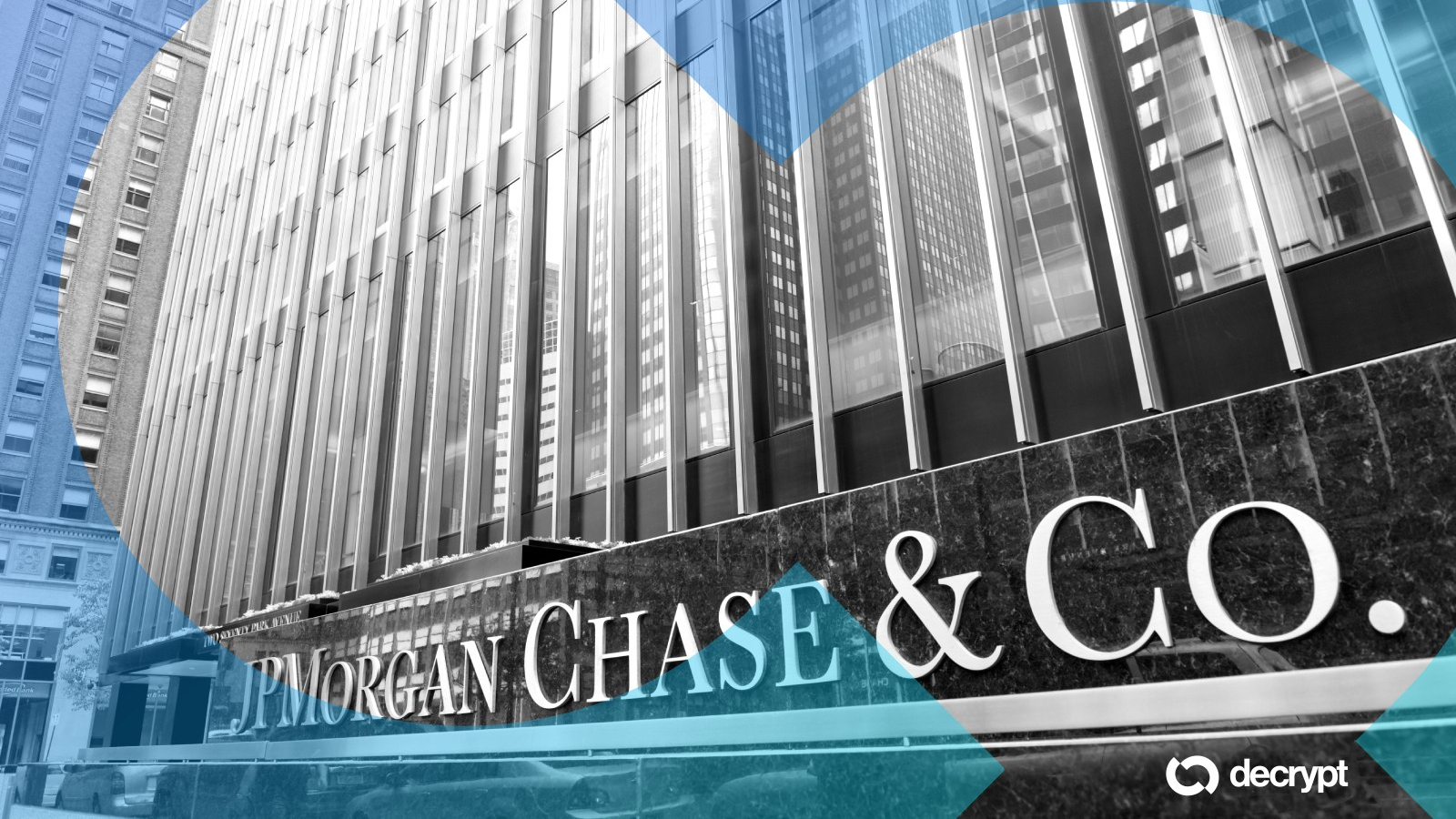
The lawsuit against JPMorgan Chase alleges the bank enabled a $328 million crypto Ponzi scheme, suggesting a potential for increased regulatory scrutiny on financial institutions facilitating crypto-related activities. The case highlights the risks associated with DeFi liquidity pool schemes and the alleged misuse of investor funds, which could impact investor confidence in similar decentralized finance products. The victim's claim that JPMorgan should have performed due diligence on its customer, Goliath Ventures, implies a potential for broader legal challenges against banks involved in facilitating alleged fraudulent crypto operations.

CFTC Chair Selig is pushing for regulatory clarity on prediction markets, classifying event contracts as a financial asset class and opening a public comment period. This regulatory move by the CFTC could significantly impact platforms like Kalshi and Polymarket, potentially leading to new rules governing their operations. Despite a recent court ruling questioning the CFTC's exclusive jurisdiction, Selig's solo authority within the agency may allow him to advance this proposal after public feedback. The 45-day public comment period is crucial for market participants to voice concerns and shape the future regulatory landscape for prediction markets.

Why crypto still hasn’t solved a single everyday problem, argues VerifiedX’s Pollak.

The US war spending of $11.3 billion in six days, equivalent to nearly half of the government's Bitcoin holdings, highlights the potential for large-scale fiscal events to drive demand for alternative assets like Bitcoin. Arthur Hayes's thesis suggests that escalating geopolitical conflicts and associated government borrowing could increase inflation fears, potentially driving investors towards Bitcoin as a hedge against traditional financial system instability. Despite the significant war expenditure, the US government's Bitcoin reserve is legally restricted from being sold, indicating that this specific holding is not a source of wartime financing and remains a separate strategic asset.
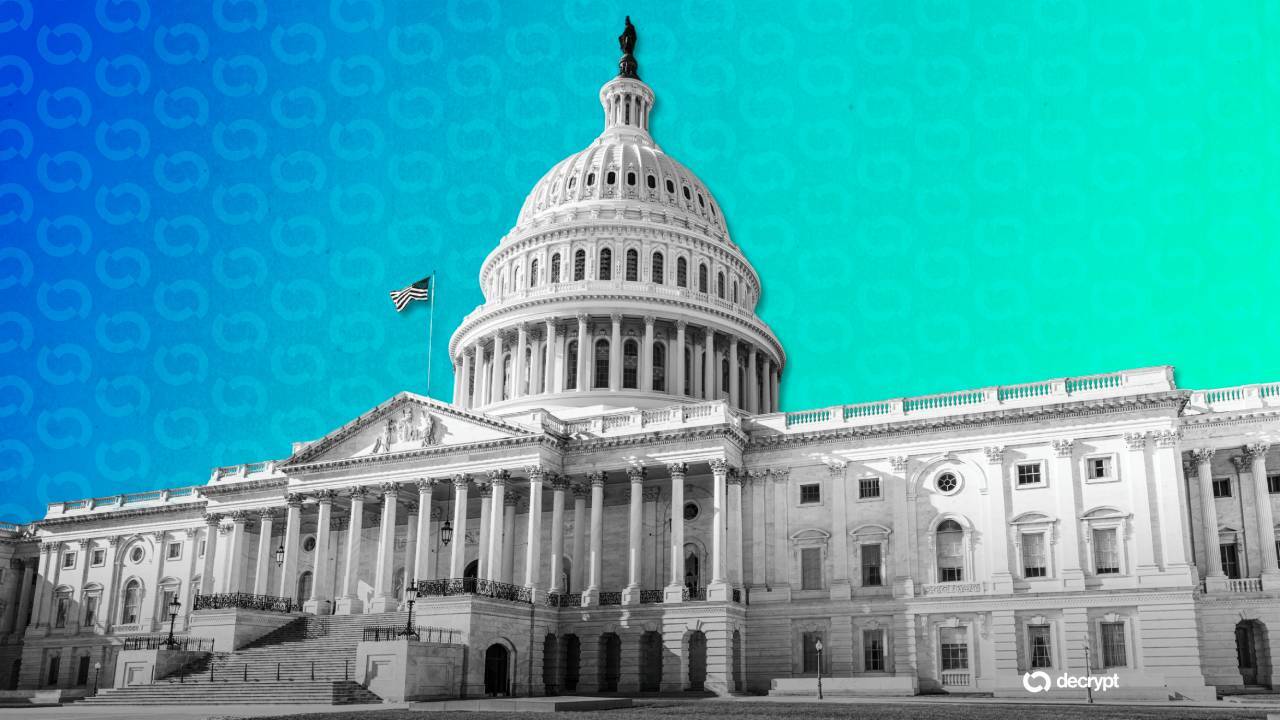
The US Senate's overwhelming passage of a housing bill containing a CBDC ban until 2031 signals significant political headwinds for potential central bank digital currencies in the US. Despite Senate approval, the CBDC ban faces substantial hurdles in the House and potential presidential veto, indicating the legislative path remains uncertain and unlikely to impact current market dynamics in the short term. The bipartisan support for the ban, driven by privacy concerns among conservatives, suggests a potential long-term regulatory trend that could influence the development and adoption of digital currencies in the US.

Ethereum's price action is transitioning from liquidation-driven volatility to organic spot demand, suggesting a more stable, accumulation-focused market phase. The launch of BlackRock's Ethereum staking ETF (ETHB) provides institutional and retail investors with a regulated avenue for yield generation, potentially increasing ETH demand and adoption. While technical indicators suggest a neutral short-term momentum, the combination of reduced leverage and new institutional products points to a potentially sustainable upward trend for ETH.

The Winklevoss twins' aggressive expansion and IPO strategy for Gemini proved ill-timed, coinciding with a severe crypto bear market that has led to significant financial losses for the exchange and their personal net worth. Gemini's IPO valuation and subsequent operational scaling were based on a bull market assumption that failed to materialize, creating a severe liquidity and revenue squeeze due to plummeting trading volumes. The ~84% drop in Gemini Space Station's value from its IPO price highlights the direct financial impact on the Winklevoss twins, underscoring the risks of misjudging market cycles in the volatile crypto industry.
Signal context only. Validate with price action, liquidity, and risk limits before taking a position.
