



Spiro, a Dubai-based startup focused on advancing electric mobility across Africa, has achieved a valuation of $350 million following a new $100 million investment round. The funding was led by the Fund for Export Development in Africa (FEDA), which is the investment arm of Afreximbank.
This significant investment marks a pivotal moment for Spiro, solidifying its position as a leading player in Africa's burgeoning electric mobility sector. It also represents the largest investment to date within Africa's e-mobility industry, underscoring the increasing investor confidence in sustainable and accessible transportation solutions for the continent.
The newly acquired capital will be instrumental in expanding Spiro's battery-swapping network, bolstering its local manufacturing capabilities, and facilitating market entry and testing in Cameroon and Tanzania.
Under the leadership of CEO Kaushik Burman, who joined Spiro in 2023 from Gogoro, the company has experienced substantial growth. Spiro has expanded its fleet from fewer than 8,000 electric bikes in Benin and Togo to over 60,000 electric bikes, supported by 1,500 swap stations across six countries, including Kenya, Nigeria, Rwanda, and Uganda.
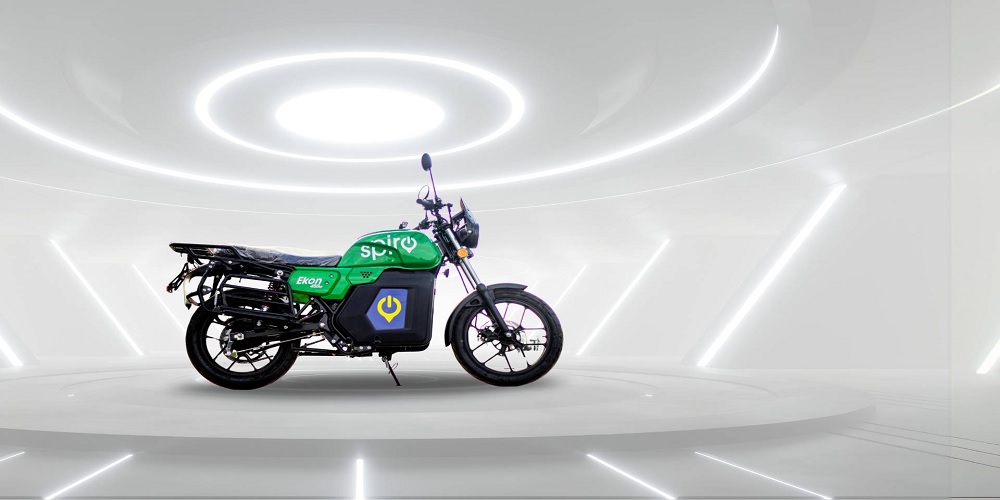
Spiro's battery-swapping stations are designed to allow riders to quickly exchange depleted batteries for fully charged ones. This system significantly minimizes downtime for riders and maximizes operational hours, particularly benefiting commercial drivers such as “okada” and “boda boda” operators.
Spiro is Building a Network for Africa’s Transport Economy
Motorcycles are a ubiquitous form of public transport in many African cities, essential for moving people and goods through congested urban environments and providing a crucial source of income for countless riders. However, escalating fuel costs have been a persistent challenge, continuously eroding the daily profits of these drivers.
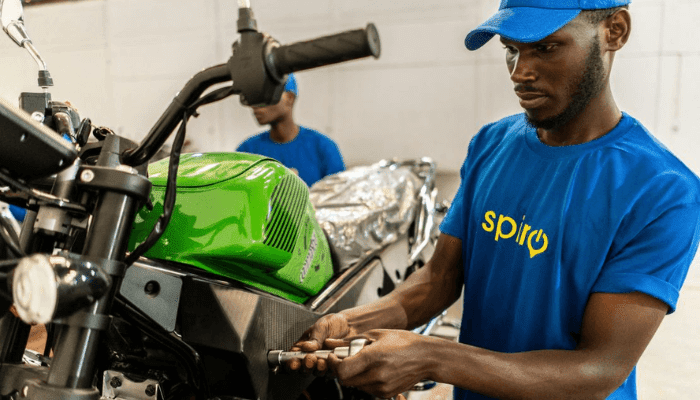
To address the escalating demand and enhance its operational capacity, Spiro has established assembly and manufacturing plants in Kenya, Nigeria, Rwanda, and Uganda. These facilities are responsible for assembling electric bikes and producing key components, including traction motors, controllers, and batteries.
The company manufactures batteries in Kenya, incorporating its proprietary battery management system (BMS). Currently, Spiro sources 30% of its required materials locally, with plans to increase this figure to 70% within the next two years. This expansion includes the local production of components such as plastics, helmets, and brake parts.
This localized production strategy not only aims to reduce manufacturing costs but also actively contributes to local job creation. Furthermore, Spiro's network of swap stations and maintenance centers empowers local entrepreneurs to manage these facilities, fostering community economic development.
Spiro offers a solution to the high operational costs associated with traditional transport through its affordable electric motorbikes. Priced at approximately $800, Spiro's bikes are more economical than petrol bikes, which typically range from $1,300 to $1,500 in markets like Kenya and Rwanda. The operating costs per kilometre are also substantially lower, estimated at around 30% less, facilitated by the battery-swapping system where riders are charged only for the energy consumed.
The company reports that commercial riders can achieve daily savings of up to $3 on fuel and maintenance expenses by adopting this model. The utilization of battery swaps has seen a dramatic increase, growing from 4 million swaps in 2022 to over 27 million in 2025.

Riders have the flexibility to either purchase or lease bikes and can access fully charged batteries at conveniently located swap stations situated in gas stations, shopping malls, and public areas. Spiro generates revenue through the sale of bikes and per-swap fees.
In Nigeria, Spiro has launched its operations in Ogun State, establishing three swap stations in Abeokuta at the MKO Abiola Stadium, Panseke Skating Ground, and Oke Sokori. Each of these stations is equipped to charge 24 batteries simultaneously, enabling a total of 72 recharges concurrently.
Spiro's expansion is significantly propelled by strategic collaborations with transport firms such as MAX, DOT, and Onocon, alongside government agencies in the countries where it operates. These partnerships are crucial for establishing reliable charging infrastructure, broadening access to clean mobility options, and creating employment opportunities.
Looking Ahead
Spiro has set an ambitious goal to deploy 100,000 electric bikes across Africa by the close of 2025, representing a 400% increase from the previous year. This initiative aims to reduce the continent's reliance on fossil fuels and enhance the financial well-being of low-earning commercial riders through accessible and affordable electric transportation.
While the e-mobility landscape is becoming increasingly competitive with the emergence of startups like Ampersand, ROAM, Max, and BasiGo, Spiro identifies traditional petrol motorcycles as its primary competition. These vehicles currently hold a dominant position in the African market. Africa currently utilizes approximately 25 million motorcycles, a figure that contrasts with India's 320 million, despite both regions having similar population sizes.
This disparity highlights a substantial market opportunity for growth and adoption. Spiro's strategic approach is specifically tailored to address the unique realities of the African context, offering affordable electric bikes, convenient battery swapping solutions, and partnerships for power access in every city of operation.
The consistent growth demonstrated by Spiro over the past two years suggests that electric mobility can achieve scalability when its business model is thoughtfully designed to meet local needs. Such an approach has the potential to significantly reduce fuel expenses for riders, boost their daily earnings, and contribute to a cleaner transportation future across Africa.