


Tax Law Amendments Introduced by Sumar
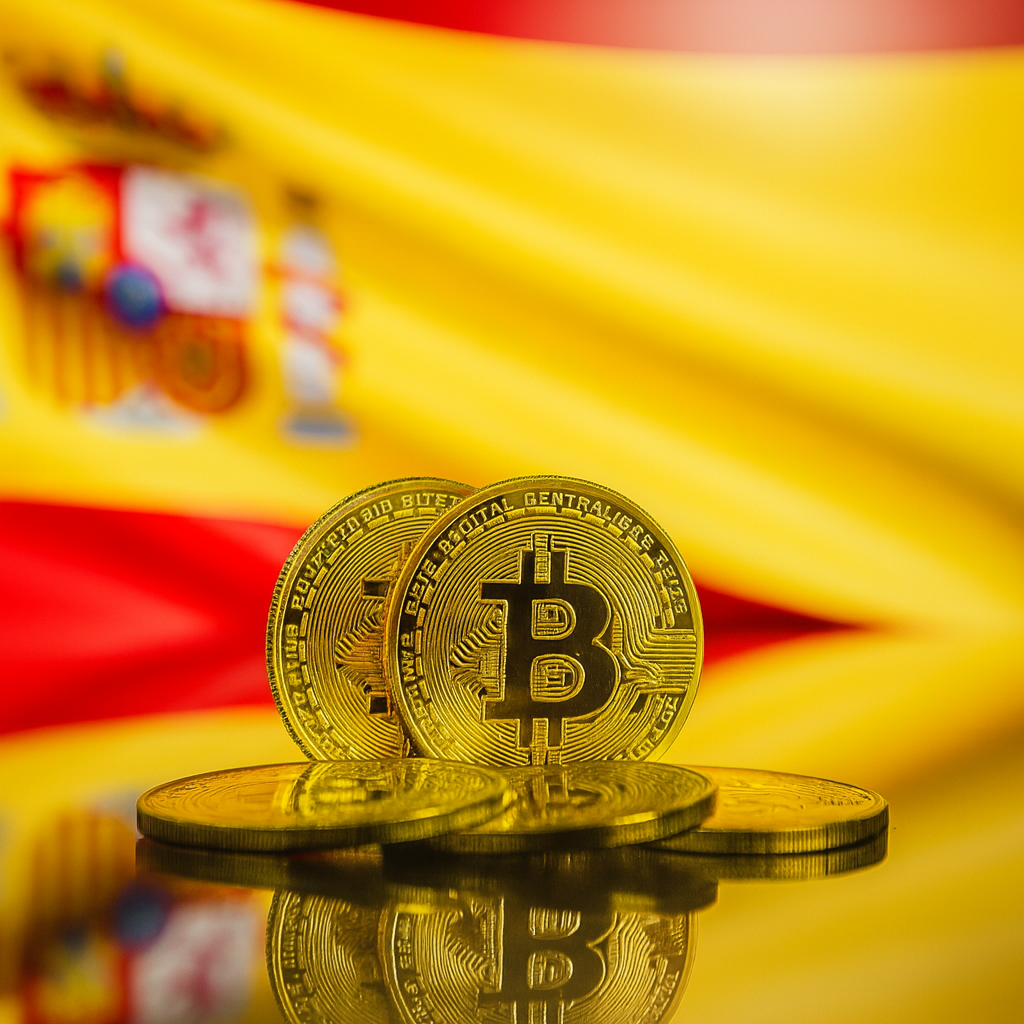
Spain's Sumar parliamentary group has introduced amendments to three major tax laws that would significantly affect cryptocurrencies. Local media reports indicate that the proposal aims to reclassify profits from cryptocurrencies, currently considered non-financial assets, into the general income tax bracket.
This proposed change would result in an increase in the top tax rate for individuals from the current 30% savings rate to 47%. For corporate holders, the tax rate would be a flat 30%. The Sumar group holds 26 out of the 350 seats in Spain's Congress and currently serves as the junior partner in the governing coalition alongside the Socialist Party.
Scope of the Proposed Amendments
The amendments are targeted at three key pieces of legislation: the General Tax Law, the Income Tax Law, and the Inheritance and Gift Tax Law. In addition to tax rate changes, the plan mandates that the National Securities Market Commission develop a visual risk system for cryptocurrencies to be displayed on investor platforms.
Furthermore, all cryptocurrencies would be officially classified as attachable assets, making them eligible for seizure by authorities. Lawyer Cris Carrascosa has commented on social media that this measure may be unenforceable for certain types of tokens, such as USDT, which cannot be held by regulated custodians under the rules of MiCA (Markets in Crypto-Assets Regulation).
Criticism and Alternative Proposals
Economist José Antonio Bravo Mateu has criticized the amendments, describing them as ineffective attacks against Bitcoin. He argues that these measures demonstrate a misunderstanding of decentralized assets, emphasizing that Bitcoin held in self-custody cannot be seized or monitored in the same way as traditional financial assets.
In contrast, tax inspectors Juan Faus and José María Gentil have suggested an alternative approach. They propose the creation of a tax regime specifically designed to be favorable to Bitcoin. Their suggestion includes allowing taxpayers to separate different wallets and utilize methods like FIFO (First-In, First-Out) or weighted-average calculations with value adjustments when transferring assets between wallets.
Enforcement and International Comparisons
The Spanish tax agency has been increasing its enforcement efforts regarding crypto taxes. In 2023, the agency issued 328,000 warning notices related to crypto taxes for the 2022 tax year. This number rose significantly to 620,000 notices a year later. The currently proposed amendments represent a further escalation of tax enforcement beyond the existing frameworks.
In a contrasting development, Japan's Financial Services Agency is taking steps to reduce the crypto tax burden. Currently, crypto gains in Japan are taxed as miscellaneous income at rates that can reach up to 55%. Japan is planning to shift to a flat 20% capital gains tax on cryptocurrencies, aligning digital assets with the taxation of equities and aiming to make the country more competitive for crypto traders and businesses.