


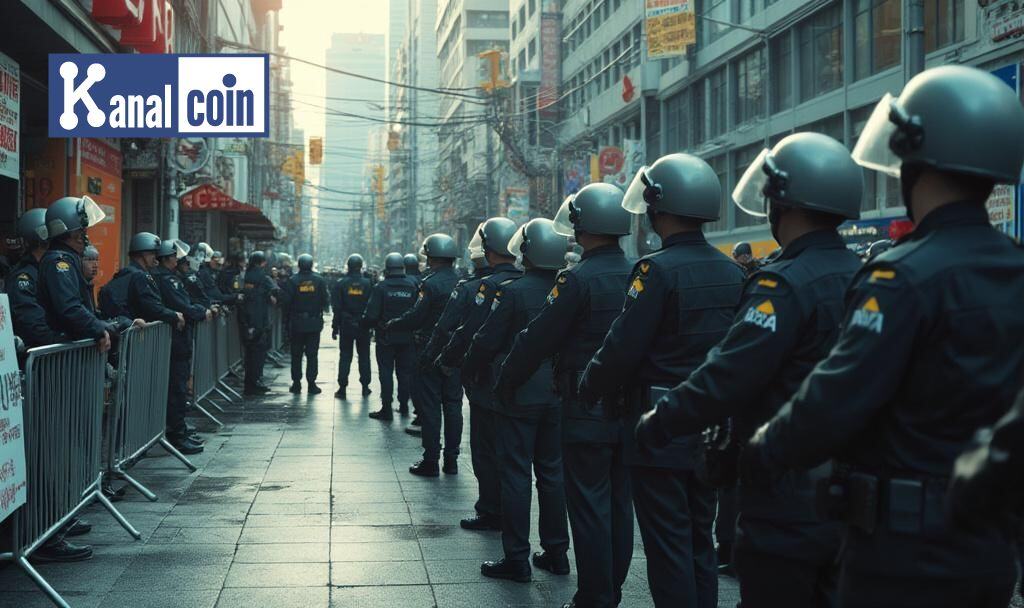
South Korea has intensified measures to limit anti-China protests ahead of President Xi Jinping’s expected 2025 APEC visit, involving police deployment and legislative proposals against discriminatory rallies. This crackdown highlights diplomatic sensitivities and potential ramifications for South Korea's economy, though no direct impacts on cryptocurrency markets have emerged yet.
South Korea's Preemptive Moves for Xi's APEC Visit
South Korea is implementing strict measures to curb anti-China protests as President Xi Jinping’s visit for the 2025 APEC summit looms. The government is advancing legislative efforts and deploying additional police to manage rallies deemed discriminatory.
President Lee Jae-myung has initiated "special measures" to address protest actions against Chinese nationals. Prime Minister Kim Min-seok directed police to control protest access in public spaces, escalating readiness near key summit venues.
We must completely banish self-destructive and totally useless behaviour that damages our national interests and national image. — Lee Jae-myung, President, Republic of Korea.
Free Expression Clashes with Safety Concerns
The crackdown has sparked mixed reactions. Local groups criticize the restrictions, citing free expression. The Chinese government issued a safety advisory to tourists amid rising tensions, highlighting potential diplomatic ramifications.
Potential financial implications include threats to South Korea's visa-free tourism policy, designed to boost revenues. There is no direct evidence of crypto market shocks yet, but increased scrutiny may affect broader economic conditions.
Recalling 2017's Economic Fallout from THAAD
Past anti-China protests in 2017 due to THAAD sanctions led to economic backlash with consumer sell-offs, similar to the potentially emerging tensions. Current actions mimic those tensions, raising concerns over potential economic and diplomatic consequences.
Kanalcoin experts suggest current dynamics could echo past economic impacts. They anticipate amplified financial volatility if geopolitical tensions with China persist, possibly impacting markets like KOSPI and major digital assets.