


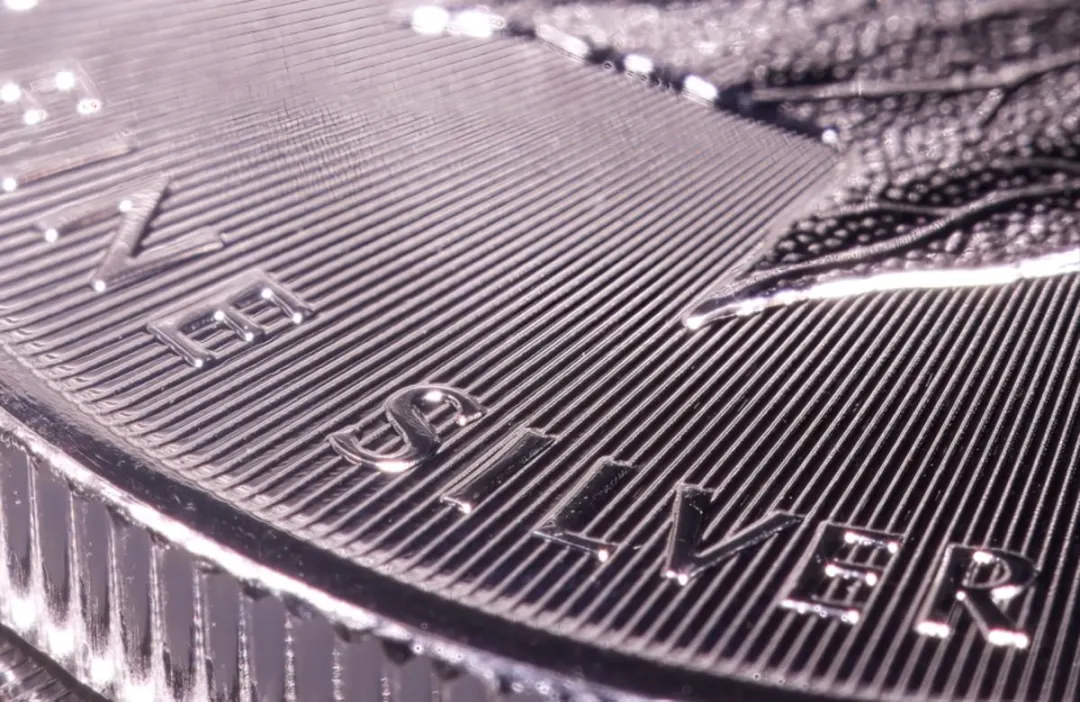
Silver is trading near $90.52 per ounce, marking a 16.3% gain over the past seven days and extending a rally that has now lasted nine consecutive months. Market data indicates no previous period where silver has advanced for this length of time without interruption.
Traders and analysts are currently debating whether this parabolic move guarantees a collapse or if this cycle is following a different trajectory.
Why 1980 Still Shapes Market Memory
Market participants frequently cite the 1980 episode as evidence that sharp silver rallies end poorly. Historical records reveal that the 1980 surge did not reflect organic price discovery. The Hunt brothers accumulated an outsized share of global silver supply and relied heavily on leverage within a thin market.
Prices surged primarily because supply was artificially tightened, not due to a fundamental change in global demand.
Once exchanges increased margin requirements and restricted trading, forced liquidations ensued, leading to a rapid price decline. Analysts observe a key distinction in the current market: no single entity controls a comparable share of deliverable silver, and no rule-driven liquidation process looms over the market.
Without concentrated leverage, the structural trigger that defined the 1980 rally remains absent.
The 2011 Rally and Its Reversible Demand
Comparisons to the 2011 rally are more frequent in current commentary. Silver experienced a surge that year as retail participation increased and macroeconomic fears fueled investment flows. Exchange-traded products and leveraged positions amplified the move.
When liquidity conditions tightened, speculative demand reversed, and prices declined because financial interest vanished, not because silver lost its intrinsic relevance.
Current market data indicates a different demand mix. Analysts tracking flows point to steady industrial offtake tied to electrification, energy systems, and technology infrastructure. This demand base operates independently of momentum indicators.
As one metals strategist recently questioned, can sentiment alone unwind consumption linked to power grids and electronics?
Supply Constraints Redefine Downside Risks
Supply dynamics also differ from prior cycles. Industry data confirms that most silver production is a by-product of mining for copper, zinc, and lead. Consequently, higher silver prices do not quickly translate into new output. In earlier rallies, supply elasticity played a minor role; today, limited primary production restricts the market’s ability to absorb demand shocks.
As a result, analysts describe potential pullbacks as corrections rather than structural collapses. While sharp price swings remain likely, the absence of surplus supply alters how far declines can extend before buyers reappear.
Technical Signals Fuel Price Discovery Debate
Technical analysts highlight the scale of the current move. Monthly chart patterns show silver clearing long-term extension targets, with some models identifying price discovery phases beyond prior highs.
Forecasts from algorithmic platforms vary widely. Some projections point to a near-term retracement around the low $70s by mid-2026, while longer-term models extend targets well above current levels by 2027. According to CoinCodex, they predict Silver (XAG) to trade from the current $90 to $146.67 by February 15, 2026.
Despite the range of estimates, analysts generally agree that volatility has intensified and daily price ranges continue to widen, reinforcing silver’s reputation as a fast-moving asset.
Comparing History Without Copying It
Market historians caution against assuming identical outcomes from similar charts. Parabolic advances signal rising risk and crowded positioning, but they do not dictate a single ending. Markets can correct through time, form broad ranges, or retrace only part of a move.
Data from past cycles supports this view. The 1980 collapse followed forced concentration unwinds. The 2011 decline followed reversible financial demand. Current conditions do not exhibit either dynamic in isolation. Silver remains volatile, but analysts emphasize that volatility alone does not define fragility.
As prices probe new territory, the comparison to past bull runs continues. However, the underlying structure of today’s rally tells a different story, one shaped by demand resilience, supply limitations, and ongoing price discovery.