


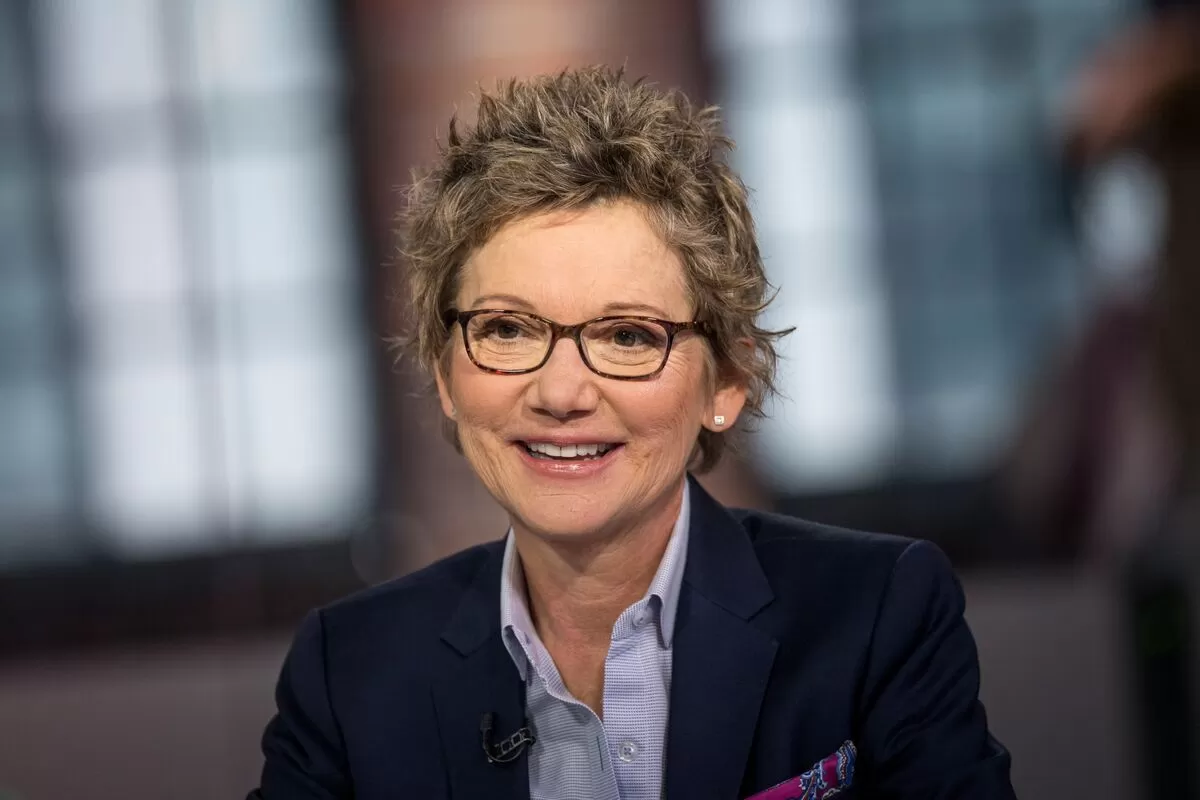
Daly Cites Labor Market Fragility and Lower Inflation Risk
San Francisco Fed President Mary Daly has indicated her support for a rate cut at the U.S. central bank's upcoming meeting next month. Daly's statements highlight concerns about the labor market, which she believes appears more fragile than previously anticipated. She views a sudden deterioration in employment as a greater risk than a potential resurgence in inflation.
While Daly will not have a vote on the Federal Open Market Committee (FOMC) in the current or next year, her remarks are significant due to her general alignment with Fed Chair Jerome Powell. The Federal Reserve currently faces a division among its members regarding whether to maintain current interest rates or implement a reduction at the December 9-10 meeting.
Daly expressed uncertainty about the Fed's ability to be proactive in managing the labor market. She observed that the economy has long been in a "low hiring-low layoff" equilibrium, but the probability of this equilibrium shifting negatively is increasing. Conversely, she noted that the cost increases resulting from tariffs throughout the year have been less significant than expected, and the risk of a sudden spike in inflation appears lower.
Daly articulated her belief that the Federal Reserve can successfully bring inflation down to its 2 percent target without causing an increase in unemployment, stating that failing to do so would constitute a "policy mistake."
Market Expectations and Contrasting Views Within the Fed
Following recent rate reductions that brought interest rates to the 3.75%-4% range, the futures market is once again strongly factoring in the possibility of a new cut in December, according to data from CME Group. This probability had dipped below 50% earlier in the month but has since rebounded following comments from New York Fed President John Williams, who suggested that "there is room for a near-term cut."
However, a segment of Fed officials opposes these proposed reductions. Their arguments center on the potential persistence of price pressures, particularly concerning services inflation and goods sensitive to tariffs. These officials caution that an overly rapid easing of monetary policy could place the Fed in a challenging position should economic activity accelerate again in 2025.
Daly, on the other hand, advocates for the Fed not to retreat out of an abundance of caution. She stated, "I don’t assume our hands will be tied next year. We will cut rates further if necessary, or raise them if necessary."
Acknowledging that disagreements within the Federal Reserve are normal, Daly characterized these differences as a natural outcome of the uncertain economic environment. She emphasized, "Our job is not to produce consensus; it is to accurately assess the risks."