



Empowerment Plan Targets 5,000 SIM Cards and 1,000 POS Operators
Senator Ali Ndume is spearheading a new empowerment plan aimed at connecting Borno South to the digital world. The initiative includes the provision of free Subscriber Identity Module (SIM) cards for 5,000 individuals and the addition of 1,000 Point of Sale (POS) operators to the region.
This announcement follows a courtesy visit by MTN Nigeria's management team to the senator in Maiduguri. The effort is positioned as a crucial bridge for communities still recovering from the Boko Haram insurgency, providing them with essential financial and communication tools for everyday participation.
Addressing the Legacy of Disconnection
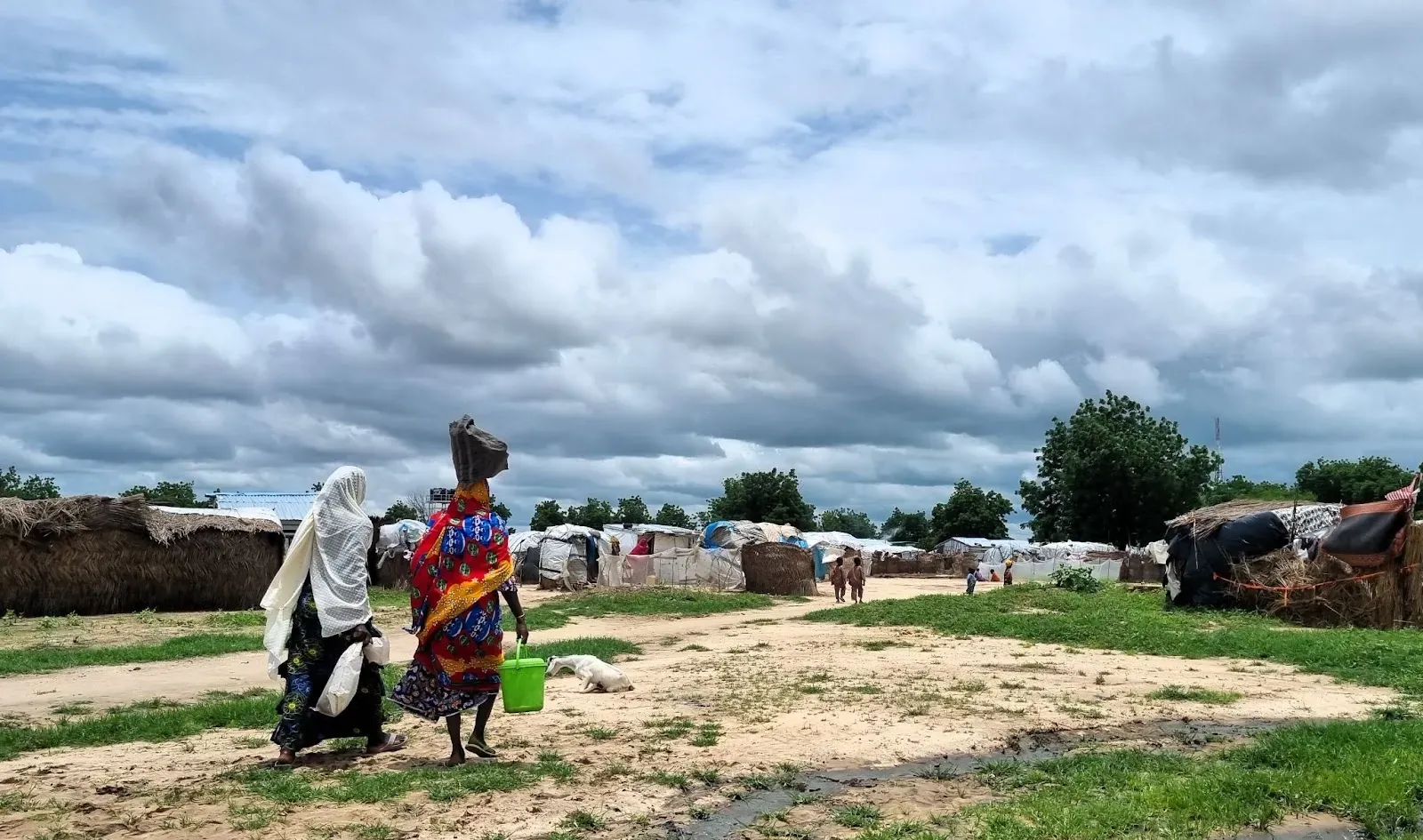
Borno South has acutely experienced the consequences of being disconnected. For years, telecom masts were frequently targeted by militants, plunging communities into silence during attacks and forcing shutdowns. Residents lost their mobile numbers and devices while fleeing, and even upon return, mobile signals were often unreliable.
The region is in a rebuilding phase, where connectivity represents both a vital lifeline and a significant luxury. The senator believes this latest initiative will effectively address these long-standing issues.

This push builds upon previous efforts. In 2024, the same constituency, led by Ali Ndume, trained 800 young people in POS services and equipped each with a machine and a starter pack valued at 100,000 naira. According to Ali Ndume, the positive outcomes from that program were significant enough to warrant a larger-scale repetition.
He has already instructed his aides to commence the registration of 5,000 residents for free SIM cards, many of whom are expected to be individuals who lost their devices and connections during violent displacements. Additionally, plans are in motion to establish computer-based test centers in collaboration with the Senate Committee on Communications. This proposal aims to create a future where examinations do not necessitate travel to distant cities or prolonged waiting periods for availability.
MTN Nigeria's Commitment and Future Outlook
MTN Nigeria has expressed its commitment to this vision of improved connectivity. The company confirmed ongoing efforts to enhance network restoration in areas such as Gwoza and Damboa, with further work underway in parts of Uba and Chibok. Company representatives lauded Senator Ali Ndume's persistent focus on communication infrastructure and presented corporate souvenirs.
The prospect of millions of new phone users and hundreds of new POS machines presents a significant opportunity for increased transactions. This initiative highlights the potential for telecommunication companies to align commercial interests with humanitarian objectives.
The core of this project raises a fundamental question: Is the primary goal empowerment, or is it market entry framed as charitable assistance? While digital inclusion is a noble objective, it also serves as an efficient pathway to converting a new segment of the Nigerian population into paying customers.
The residents of Borno South require economic participation more than mere rhetoric, and for many, the source of the funding is less important than the tangible improvement of signal strength. However, the timing and presentation of development initiatives can often reveal the underlying priorities of those providing them.
Sustaining Connectivity and Digital Participation
Looking ahead, the sustainability of these initiatives is paramount. POS operators require a secure environment to function, along with consistent cash availability. Furthermore, the success of POS services depends on residents having bank accounts and a baseline level of financial trust.
SIM cards serve as a gateway to the digital realm, enabling access to everything from safety alerts to mobile money services, but this is contingent on a consistently live and stable network. Communities that have endured years without basic communication services will need reliable service continuity to maintain hope.
Similarly, computer-based tests promise to advance academic opportunities, but their long-term success hinges on sustained support beyond initial launch events. The senator frames this initiative as a crucial step towards self-reliance, a welcome ambition for a region weary of dependency on aid and emergency interventions. Equipping individuals with the skills to transact and communicate could indeed restore dignity, one message and one payment at a time.
For the present moment, Borno South is being invited to re-engage with the national conversation. If the network remains operational and the POS machines are actively used, the region may finally have the opportunity to voice its own needs and perspectives, rather than being spoken for.