


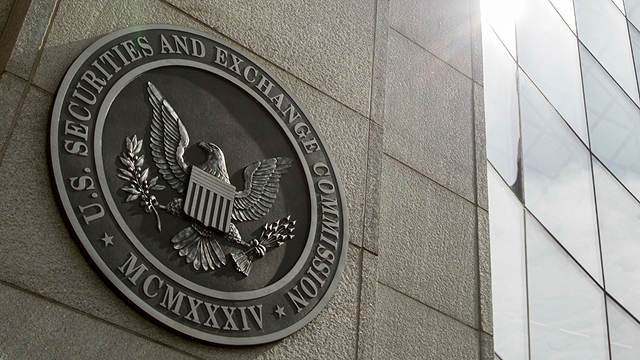
The Securities and Exchange Commission has issued a no-action letter permitting investment advisers to use state‑chartered trust companies as qualified custodians for digital assets. The Division of Investment Management confirmed it would not recommend enforcement action against advisers utilizing these entities.
Law firm Simpson Thacher & Bartlett submitted a request on Sept. 30 seeking assurances that registered financial institutions could custody crypto assets without regulatory penalties. The firm wanted clarity for registered advisers and regulated funds operating under the Investment Advisers Act of 1940.
The guidance allows certain financial entities to hold and manage cryptocurrencies like Bitcoin and Ethereum, similar to traditional cash holdings. State trust companies must implement procedures designed to safeguard crypto assets while advisers and fund managers perform due diligence to ensure client interests are protected.
Division of Investment Management director Brian Daly described the letter as an interim step toward long‑term modernization of Ethereum custody requirements. The relief expands available crypto custody options while maintaining important safeguards for client protection.
SEC Commissioner Hester Peirce stated the guidance eliminates the uncertainty that registered advisers and regulated funds have faced when selecting crypto asset custodians. She noted the letter covers client crypto assets held by registered advisers and investments by regulated funds, including Ethereum tokenized securities.
Bloomberg Intelligence analyst James Seyffart called the decision a textbook example of clarity for the digital asset space. He emphasized that this represents exactly what the industry has requested over recent years.
Wyoming Senator Cynthia Lummis expressed encouragement at the SEC recognizing state‑chartered trust companies as qualified digital asset custodians. She noted Wyoming pioneered similar relief in 2020, which the Biden‑era SEC had criticized at the time.
The move represents the latest regulatory shift between crypto firms and federal agencies. Operation Choke Point 2.0 previously saw agencies, including the Federal Reserve, Office of the Comptroller of the Currency, and U.S. Treasury, work to limit activities that regulated agencies could perform for crypto firms.
Democrat Commissioner Caroline Crenshaw criticized the letter, arguing changes to existing regimes should occur through rulemaking with public comment and economic analysis. She claimed the Division’s action creates unfair advantages for state trust companies over applicants seeking national charters from the Office of the Comptroller of the Currency to offer Ethereum crypto custody services.