


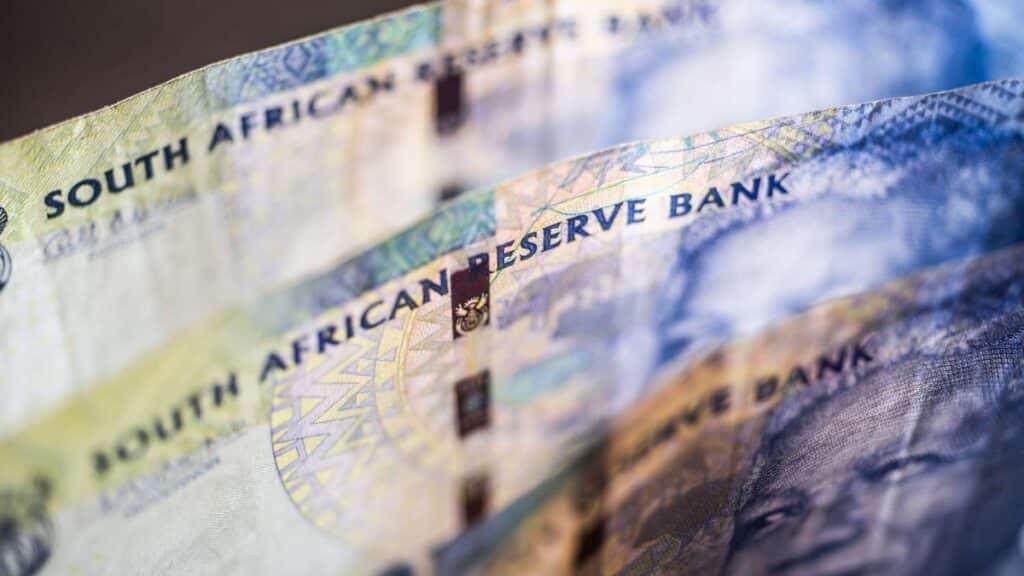
The South African Reserve Bank (SARB) has concluded that while a consumer-facing central bank digital currency (CBDC) is technically possible and could support long-term innovation, there is no urgent need to introduce one.
The SA Reserve Bank (SARB) has published a position paper and background note on the necessity of a retail central bank digital currency (CBDC) in South Africa. Drawing on years of research, technical experimentation and stakeholder engagement, the SARB finds that ‒ while a… pic.twitter.com/hCAMGAHOdP
— SA Reserve Bank (@SAReserveBank) November 27, 2025
This assessment comes from a newly published Position Paper and Background Note, which consolidates several years of research, technical experimentation, and consultations with industry stakeholders.
Prioritizing Payment System Modernization
According to the SARB, South Africa’s immediate priority remains the modernisation of the national payment system, including upgrades to settlement infrastructure and widening access to non-bank financial service providers.
These reforms, the bank argues, offer a more practical path to strengthening financial inclusion and payment efficiency in the near term.
“While the SARB does not currently advocate for the implementation of a retail CBDC, it will continue to monitor developments and will remain prepared to act should the need arise,” the research paper noted.
Exploring Wholesale CBDC Applications
Instead of pursuing a digital rand for everyday consumer use, the central bank plans to shift its focus toward exploring wholesale CBDC applications. These include improving interbank settlement processes and enhancing the speed and costs of cross-border transactions.
The bank believes these targeted upgrades could deliver tangible benefits faster than undertaking a national retail rollout, which would require significant legal, technical, and operational frameworks.
Evaluating the Impact on Financial Inclusion
As part of its evaluation, SARB researchers examined whether a retail digital currency could address gaps within the country’s payment ecosystem. While South Africa still has roughly 16% of adults who remain unbanked, the study found mixed results on whether a CBDC would meaningfully improve access.
For such a digital instrument to compete with cash, still widely used, it would need to offer reliable offline functionality, universal acceptance, ease of use, privacy, and low transaction costs.
A Cautious Approach to Digital Currency Innovation
The bank’s latest publications present a comprehensive view of its policy stance and signal a cautious, infrastructure-first approach to digital currency innovation.
While the SARB sees potential for future CBDC adoption, its current strategy centers on modernising payment rails and ensuring it remains ready should national demand or technological conditions shift.