


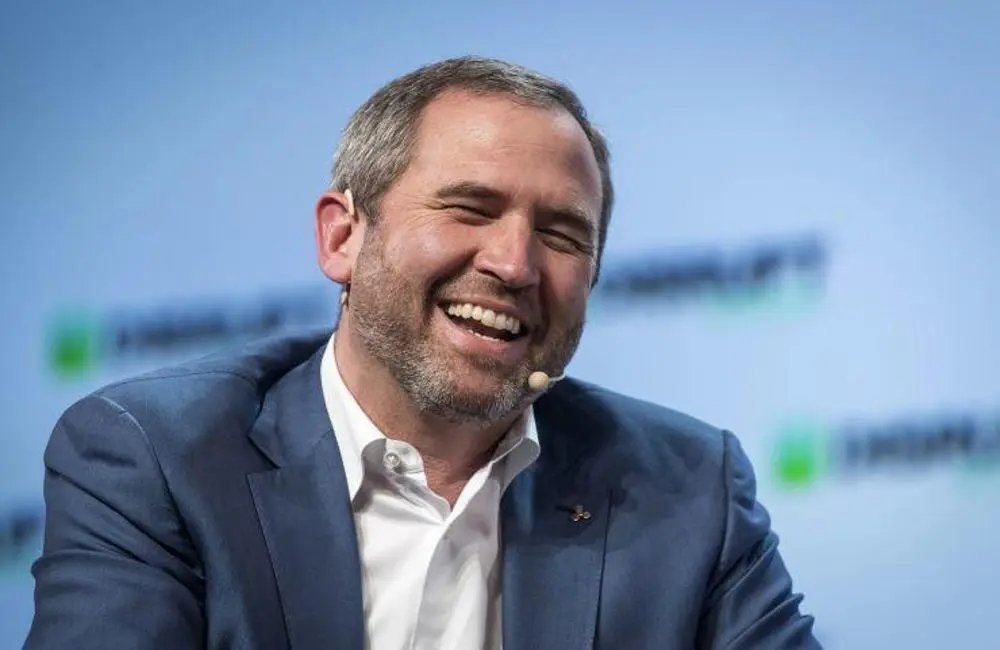
Ripple CEO Brad Garlinghouse has articulated a highly optimistic outlook for the cryptocurrency industry, forecasting that 2026 could be the most bullish year in its history. These pronouncements, further elaborated by crypto commentator Pumpius, are being interpreted as significant indicators for the long-term trajectory of XRP, particularly in light of accelerating institutional adoption across global financial markets.
Pumpius suggests that Garlinghouse's predictions carry substantial weight, signaling a fundamental shift in market structure that directly benefits Ripple's ecosystem and fuels demand for XRP based on its utility.
Major Financial Institutions Now Leading the Market
Pumpius highlighted the involvement of prominent financial giants, including Franklin Templeton, BlackRock, and Vanguard, as a critical turning point. These entities are not merely participating speculatively but are actively shaping global capital allocation.
Their increasing engagement in digital assets signifies a transition of the cryptocurrency sector from a niche area to a recognized component of institutional finance.
The entry of such large-scale firms impacts liquidity, market accessibility, and the credibility of digital assets. Pumpius contends that their presence alone validates the broader digital asset thesis that Ripple has championed for over a decade with XRP.
Crypto ETFs: At the Dawn of a Growth Cycle
During a discussion at Binance Blockchain Week, Garlinghouse also noted that the current phase of crypto Exchange-Traded Funds (ETFs) represents just the beginning of their growth potential.
He anticipates that these ETFs will expand significantly beyond their current modest share of the overall ETF market. Given that the ETF sector is valued at over $10 trillion, even a small reallocation of capital into digital assets could result in a substantial influx of liquidity.
Pumpius observed that early investment trends in these ETFs indicate a strong institutional demand, rather than speculative retail buying. He specifically referenced Garlinghouse's remarks about XRP products, such as Ripple Prime, suggesting that institutional interest is extending into Ripple's ecosystem.
Accumulated Institutional Demand Begins to Emerge
Garlinghouse pointed to a build-up of pent-up demand from institutions that have been strategically preparing for regulatory clarity, robust custody solutions, and compliant settlement mechanisms. Pumpius interpreted this as confirmation that these necessary conditions are now being met.
In contrast to previous market cycles driven by speculation, the current surge is fueled by traditional finance players, liquidity providers, and major asset managers seeking access to efficient digital settlement technologies. XRP, with its established role as a bridge asset, is strategically positioned to benefit from this evolving landscape.
XRP's Market Structure Integrates with Institutional Frameworks
Pumpius argued that the ecosystem supporting XRP has moved beyond theoretical concepts and is now operational. He cited existing components such as XRP ETFs, the institutional brokerage capabilities of Ripple Prime, the integration with GTreasury for corporate treasury operations, the RLUSD stablecoin, and global regulatory licensing.
According to Pumpius, this comprehensive infrastructure signifies XRP's formal integration into the same institutional sphere occupied by firms like BlackRock, Vanguard, and Franklin Templeton. This represents a fundamental structural advancement rather than a fleeting trend. Pumpius concluded that Garlinghouse's statements are based on observable institutional data rather than mere speculation.
He believes that 2026 could mark the long-awaited capital rotation event for XRP holders, a period where traditional finance begins to channel significant portions of global capital into digital asset settlement networks. Pumpius stated, "The tide isn’t coming—it’s already here."