



Presidential adviser Daniel Bwala has ignited controversy with his assertion that terrorist groups in Nigeria remain untraceable due to their use of Starlink satellite internet and foreign mobile networks. This explanation faced significant scrutiny and ultimately faltered during a live radio interview.
Bwala, the Special Adviser to the President on Policy Communication, presented this theory while attempting to explain the apparent impunity of criminals who openly display ransom proceeds on social media platforms.
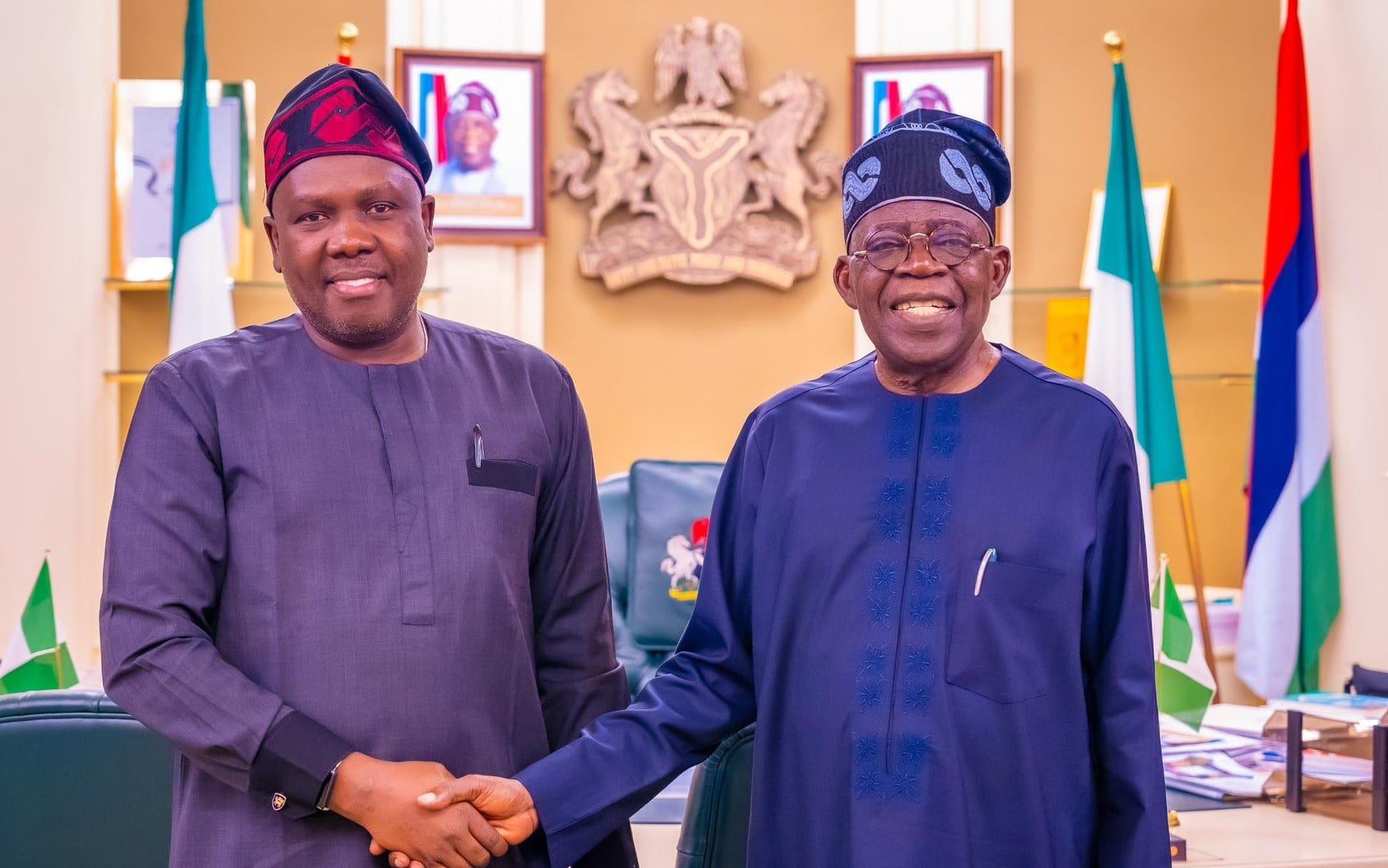
Starlink Excuse Fails Under Scrutiny
During an appearance on Nigeria Info’s Hard Facts program with host Mimi Eyo, Bwala was pressed on why security agencies can swiftly apprehend citizens critical of the government online, yet seemingly struggle to track terrorists who flaunt kidnapping proceeds on social media.
The interviewer directly challenged Bwala, stating that these criminals are seen brandishing ransom money on TikTok and are prevalent across social media. Despite this visibility, intelligence agencies appear unable to track them, while ordinary Nigerians expressing frustration with the government are easily apprehended.
VIDEO: Terrorists Continue Terror Campaign In Nigeria, Display Ransom Cash In Viral Video pic.twitter.com/9UW0ZckFZU
— Sahara Reporters (@SaharaReporters) October 3, 2025
Bwala attempted to provide a technical explanation, describing Nigeria's regulatory bodies for telecommunications and internet services, which allow for tracing through IP addresses.
However, he introduced a crucial limitation, stating, "If you’re using Starlink, we cannot trace it because Starlink is not registered in Nigeria, it in the space." He drew parallels to the situation in Ukraine and Russia.
He further extended his argument to include mobile networks, explaining, "These terrorists, most of the time, they are using cellular service and internet from the neighbouring countries, not Nigeria. So it becomes tricky." This suggested that cross-border telecommunications infrastructure places these criminals beyond the reach of Nigerian intelligence.
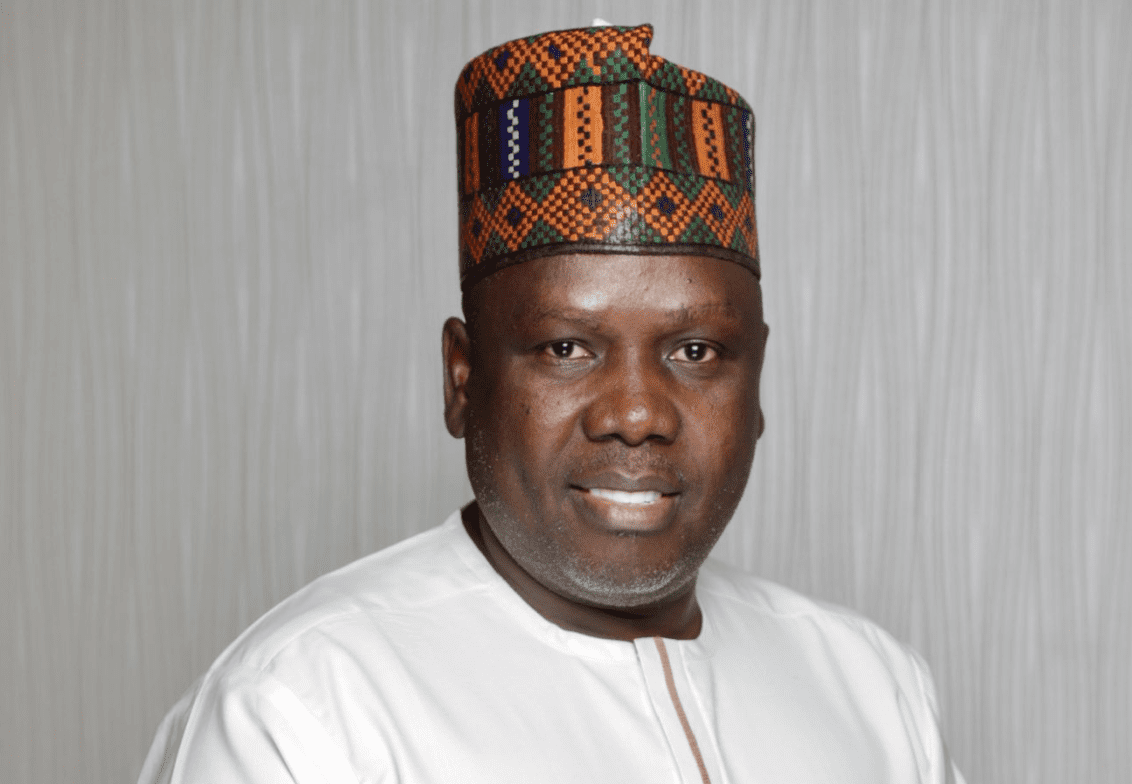
This explanation seemed intended to deflect responsibility from intelligence agencies for failing to act against terrorists operating openly on social media.
The interviewer immediately questioned the convenience of this explanation. "How convenient that they using Starlink," Eyo responded, before posing the critical question: "When did Starlink come into Nigeria? Did it come after the Tinubu administration or before?"
Caught in a contradiction, Bwala admitted, "I know Starlink, I’ve been using Starlink before President Tinubu was sworn in."
This admission significantly undermined his core argument. If Starlink had been available in Nigeria prior to the current administration, it could not credibly explain the government's current difficulties in tracking terrorists.
The admission suggested either a lack of understanding of the technology he was discussing or an attempt to deflect from more fundamental failures in intelligence gathering and law enforcement.
The exchange brought to light broader questions regarding accountability within Nigeria’s security framework.
Bwala's interview was part of a broader effort to defend the administration's security record, particularly following the United States' designation of Nigeria as a Country of Particular Concern for religious freedom violations.
The presidential aide also detailed plans for new recruitment drives, including 50,000 police officers and over 20,000 military personnel, alongside the revival of the Safe Schools Initiative. However, these policy announcements were overshadowed by his faltering attempt to explain intelligence failures.
The full conversation can be viewed here.
