
Navigating Crypto News

CoinFeather
Navigating Crypto News

Quick market read from this story
Polymarket is overhauling its trading infrastructure and launching a native stablecoin, Polymarket USD, to replace USDC.e, aiming for greater control over settlement and liquidity.
The move to a proprietary stablecoin and potential future POLY token integration suggests Polymarket is centralizing its governance and dispute resolution mechanisms, shifting away from reliance on third-party oracles like UMA.
With a $20 billion valuation and recent CFTC registration, Polymarket's strategic upgrade positions it for a significant U.S. market expansion by enhancing platform stability and control over its ecosystem.
The infrastructure upgrade and native stablecoin launch signal a proactive approach to managing operational risks and improving user experience, potentially attracting more institutional interest as it rebuilds its U.S. presence.
Source, catalyst, and sector overlap from the latest feed.
Aave's core risk management function is departing due to fundamental disagreements over the V4 upgrade's scope and economic unsustainability, signaling potential operational instability during a critical protocol transition. The exit of Chaos Labs, a key risk manager that oversaw significant TVL growth with zero bad debt, raises concerns about Aave's ability to manage risk effectively through its next growth phase, potentially impacting investor confidence. Disputes over resource allocation and operational burden for the V4 upgrade, coupled with Chaos Labs operating at a loss, highlight internal friction and economic challenges within Aave's contributor ecosystem.
Live Feed
Loading the broader stream in the same flow as the homepage feed.

OpenAI's policy paper signals a potential paradigm shift in economic thinking, advocating for proactive government adaptation to AI-driven labor market disruptions and wealth concentration. The call for tax changes tied to automation and broader AI access suggests a future where digital infrastructure and AI capabilities could become foundational economic resources, impacting how value is perceived and distributed. The concurrent reporting on Sam Altman's leadership challenges introduces a layer of governance risk and internal conflict at a key AI developer, potentially influencing the pace and direction of AI policy implementation and market trust. While not directly a crypto event, OpenAI's focus on AI's economic impact and potential wealth redistribution could indirectly influence capital flows and investment theses within the broader tech and digital asset landscape.

Holders of tokenized shares in Galaxy (GLXY) will soon be able to participate in proxy voting on-chain via Broadridge.
A significant 69% of top Binance traders are holding long positions on SHIB, indicating strong conviction from sophisticated market participants and suggesting a potential upward price movement. Shiba Inu's ability to hold the $0.000006 support level, coupled with increased risk appetite in the broader market, strengthens the case for a near-term breakout towards $0.000008. SHIB's price action is closely correlated with Ethereum, implying that ETH's performance will be a key factor in amplifying SHIB's potential gains or magnifying its downside risks.
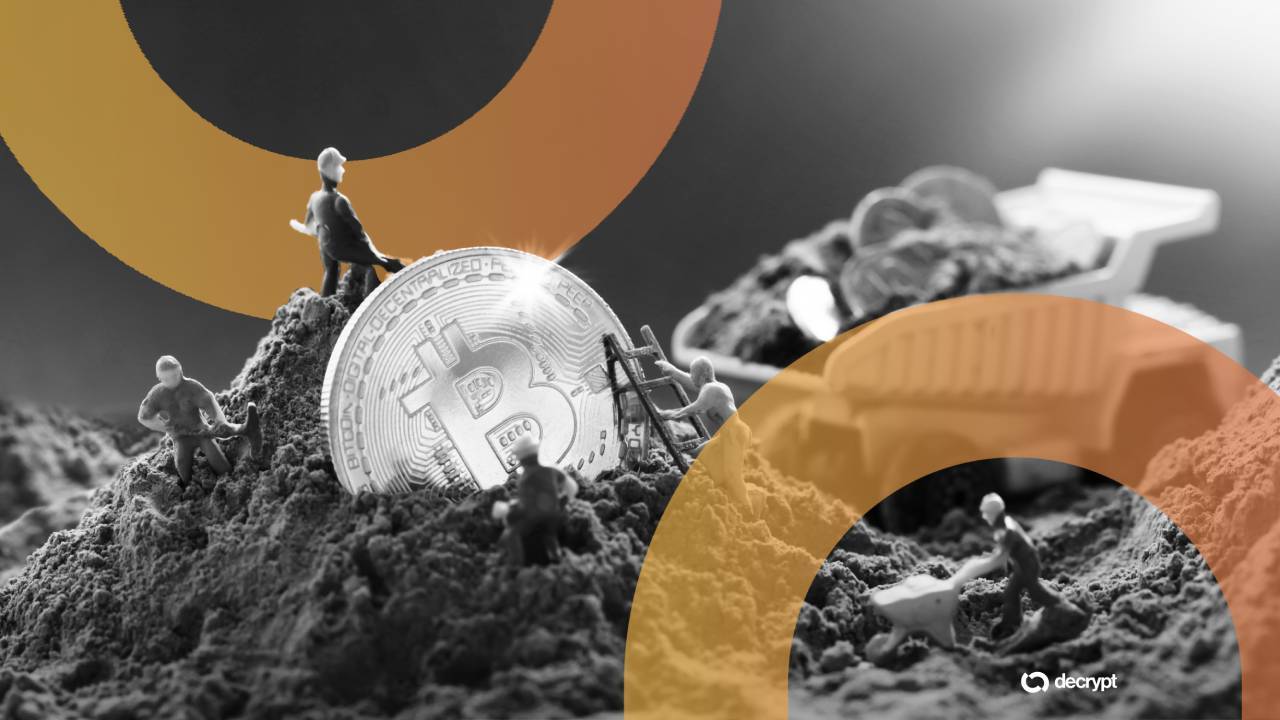
A solo Bitcoin miner's unlikely $210,000 block reward highlights the extreme luck factor in mining, demonstrating that individual participants can still achieve significant payouts despite the dominance of large mining operations. The event underscores the inherent randomness in Bitcoin block rewards, serving as a reminder of the lottery-like nature of solo mining rather than a fundamental shift in mining economics. While this solo mining success is a rare event, it contrasts with major mining firms divesting Bitcoin to focus on AI infrastructure, suggesting a divergence in capital allocation strategies within the broader crypto ecosystem.
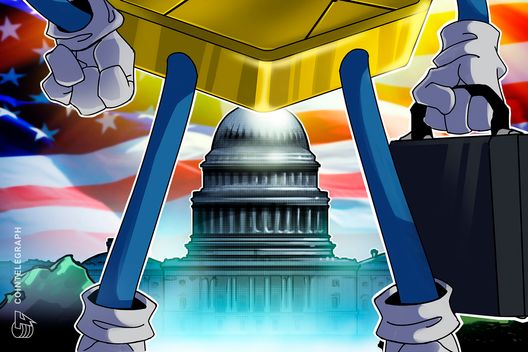
US Senator Bill Hagerty anticipates a crypto market structure bill moving through the Senate Banking Committee in April, signaling potential legislative progress after delays. The proposed legislation aims to shift oversight from the SEC to the CFTC, a significant structural change that could redefine regulatory clarity for digital assets. With the bill expected out of committee in April and before the midterms, market participants should monitor legislative developments for potential impacts on market sentiment and regulatory frameworks. The involvement of crypto PACs like Fairshake and Fellowship PAC in upcoming elections highlights the growing influence of the industry on political outcomes, potentially shaping future regulatory approaches.

Over 50% of XRP holders are currently underwater, indicating a significant psychological overhang that limits immediate upside potential. Declining exchange reserves and historically low whale activity suggest a market in suspension, with neither strong selling nor buying pressure evident. XRP's price action is currently range-bound, awaiting an external catalyst such as macroeconomic data or geopolitical shifts to drive significant directional movement. The current on-chain data for XRP points to a market awaiting a catalyst, with the potential for rapid price movement once a decisive external factor emerges.
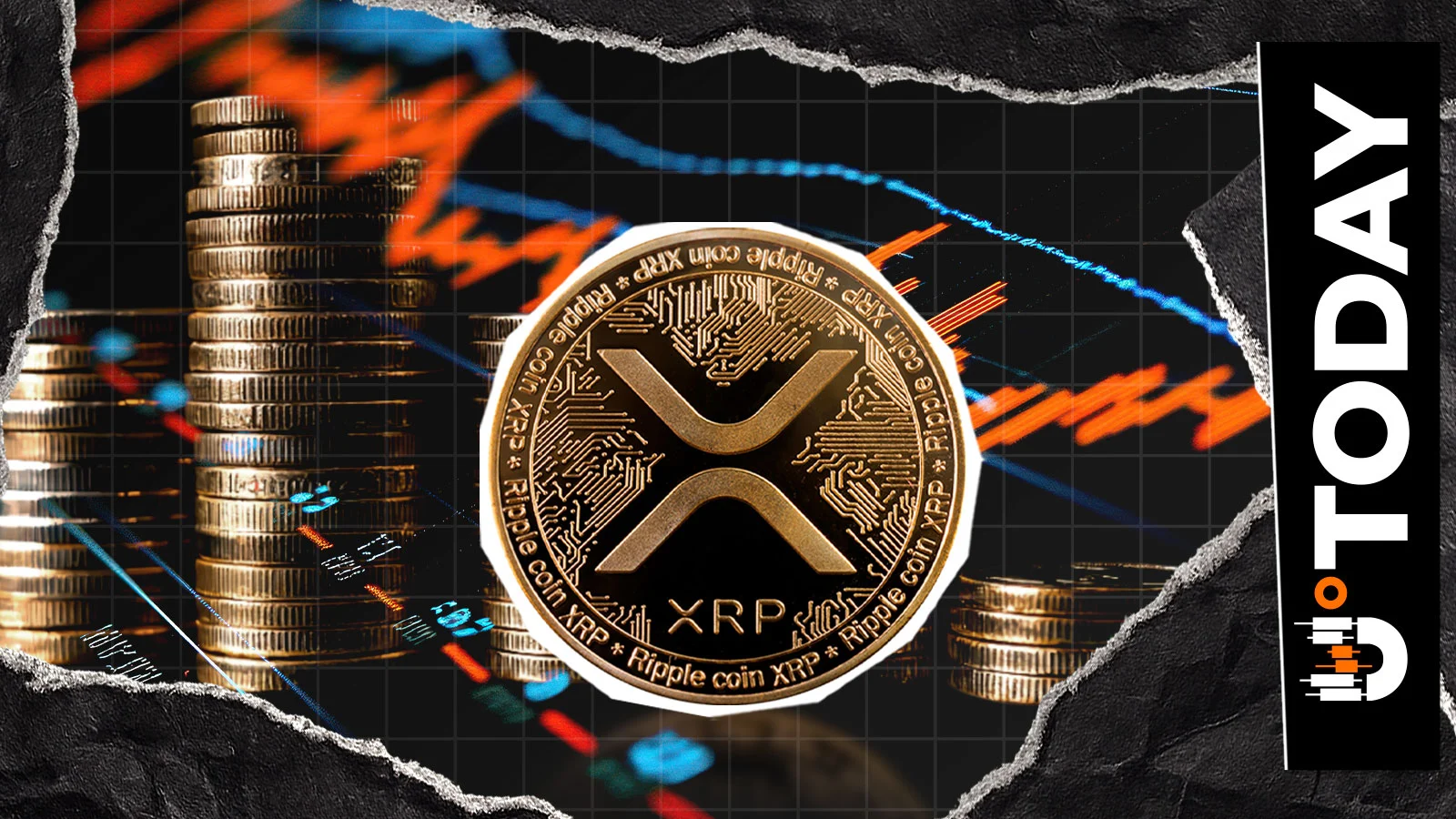
XRP's supply in profit has fallen to its lowest point since July 2024, indicating significant unrealized losses for a majority of holders and reflecting the asset's recent price weakness. The decline in XRP profitability coincides with a notable drop in institutional investment in US-based XRP ETFs, which have seen assets under management fall below $1 billion, suggesting reduced institutional demand. Despite the negative profitability trend and ETF outflows, recent data shows a stabilization in capital flows for XRP ETFs, with zero-flow days and minor drawdowns, potentially signaling a pause in the selling pressure. The potential for a short squeeze in XRP, as suggested by bearish derivative market setups, introduces a speculative element that could lead to short-term price volatility, though its realization is uncertain.

Aave is in a prolonged correction phase, trading near $95 after significant declines from January highs, indicating continued downward pressure and a need for a move above resistance for potential recovery. Pepe is consolidating around $0.000003, reflecting a broader slowdown in the meme coin sector and suggesting market participants are awaiting clearer directional signals. BlockDAG is in a presale phase at $0.000022 before its Token Generation Event (TGE), with future performance contingent on roadmap execution and market adoption post-launch. The article highlights contrasting market dynamics: established DeFi and meme coins facing headwinds, while a new project, BlockDAG, is in its pre-launch growth phase.

The U.S. Labor Department's proposal to allow cryptocurrencies in 401(k) plans signals a shift from crypto being purely speculative to a functional asset class used as collateral in regulated portfolios. Increased institutional adoption and regulatory clarity are driving the use of crypto assets like Bitcoin and Ethereum as collateral for borrowing, reducing the need for costly liquidations, especially given tax implications. The evolution of crypto lending models towards flexible credit lines, mirroring traditional finance, enhances capital efficiency and aligns with institutional portfolio management strategies. The integration of crypto into retirement plans suggests a maturing market where digital assets are viewed as long-term stores of value and tools for capital management, not just speculative investments.

Bitcoin's potential rally to $75K is contingent on its perceived role as a hedge against fiscal instability, with geopolitical tensions potentially driving demand if negotiations fail. A US-Iran ceasefire would likely boost traditional risk assets like equities, but its direct impact on Bitcoin is less certain as it could strengthen demand for US Treasuries, reducing the need for alternative hedges. Despite Trump's ultimatum, market participants are showing cautious optimism, as evidenced by Bitcoin's recent price action above $69K while gold prices have softened, suggesting a potential decoupling.

Chaos Labs' departure as Aave's risk manager signals potential governance and operational instability, raising concerns about the protocol's ability to manage risk effectively as it scales. The exit, attributed to a "fundamental misalignment" in risk management philosophy and unsustainable financial strain, highlights potential structural issues within Aave's DAO in attracting and retaining critical expertise. Aave's resilience may be tested by the departure of multiple core contributors, underscoring the critical importance of robust risk management for protocol solvency and user protection in DeFi.
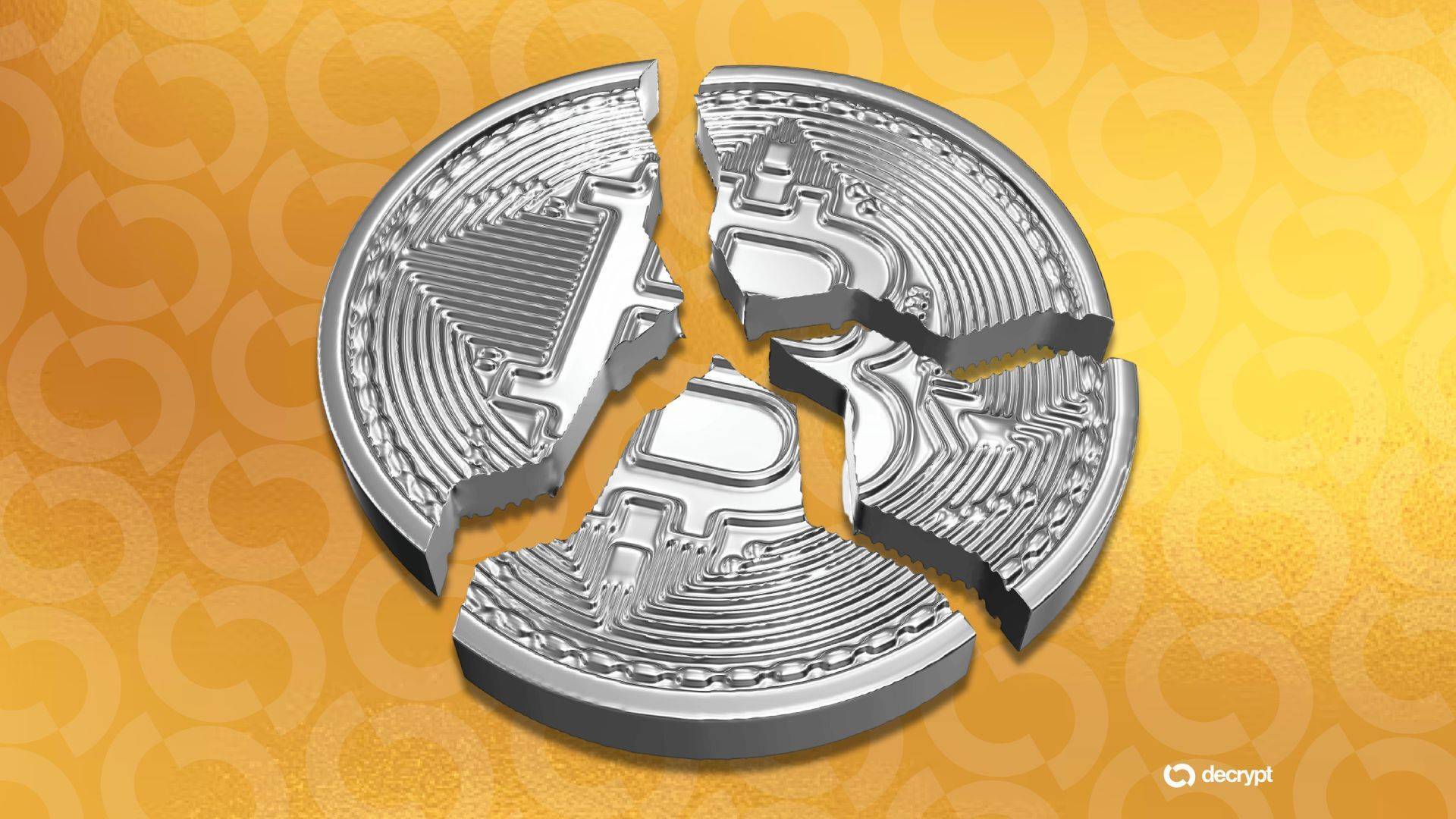
Bloomberg analyst Mike McGlone warns of a potential Bitcoin price drop to $10,000, citing the unwinding of pandemic-era liquidity and the proliferation of altcoins as key bearish factors. The prediction suggests a significant market correction, implying that current price levels above $70,000 may not be sustainable if broader market liquidity continues to contract. McGlone's view contrasts with some analysts who believe Bitcoin has already bottomed, highlighting a divergence in market sentiment and potential trading opportunities based on differing outlooks. The strategist also posits that Tether (USDT) could eventually surpass Bitcoin and Ethereum in market capitalization, indicating a potential shift in dominance towards stablecoins.
Strive's continued Bitcoin accumulation, despite significant unrealized losses, signals a strong conviction in its treasury strategy and potential long-term price appreciation. The company's expansion into Bitcoin treasuries and its role in a proposed ETF highlight a growing trend of traditional finance integrating with digital assets. ASST stock's 5% rise post-purchase indicates positive market reception to Strive's aggressive Bitcoin acquisition strategy and balance sheet disclosures.
Signal context only. Validate with price action, liquidity, and risk limits before taking a position.
Sales of bitcoin by prominent holders and executive exits could give hope to the battered crypto sector.
