


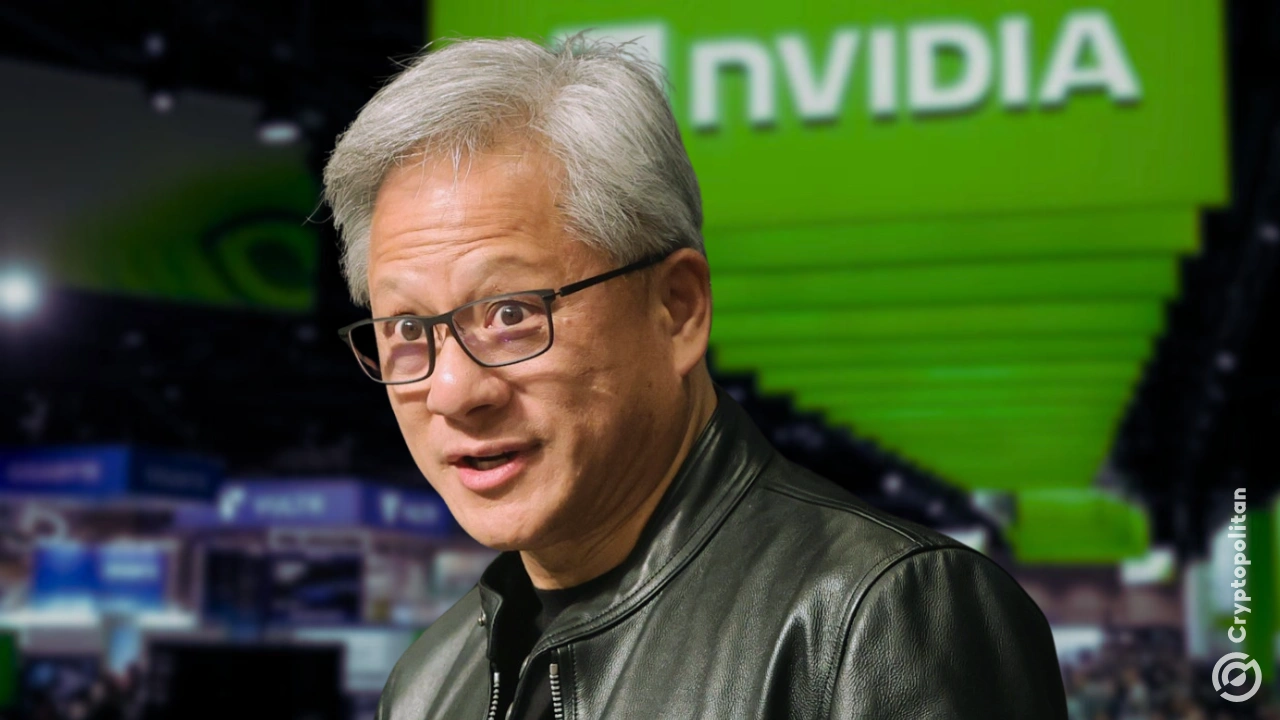
Nvidia CEO's Stance on China Chip Sales
Jensen Huang, the CEO of Nvidia, expressed skepticism on Wednesday regarding China's potential acceptance of the company’s H200 AI chips, even if U.S. government restrictions on chip exports are relaxed. Speaking with reporters following a meeting with President Donald Trump at the White House, Huang stated he had no insight into whether Chinese regulators would approve the purchase of these chips, remarking, "We don’t know. We have no clue." He emphasized that if the chips are modified to be less powerful, China would likely not purchase them, asserting, "We can’t degrade chips that we sell to China. They won’t accept that."
This statement comes in the wake of discussions within the Trump administration concerning the potential sale of the H200 chip, which began shipping last year, to China. The H200 is a powerful chip capable of training and operating large-scale AI models, positioning it as a critical component within the U.S. technological defense capabilities.
Political Engagements and Export Control Discussions
During an event in the Oval Office, Donald Trump offered no direct comments on potential changes to export controls. However, he did acknowledge Huang's work, calling him someone doing "an amazing job."
Huang also attended a private meeting with the Senate Banking Committee, where export controls were a central topic. This committee holds oversight over trade regulations linked to national security, including the export of advanced technologies like Nvidia's chips.
As Huang arrived for the meeting, he reiterated that Nvidia's options are limited. He indicated that if chips are downgraded to comply with U.S. regulations, they would be of no value to potential buyers in China.
Following the session, Republican Senator Mike Rounds shared that Huang conveyed Nvidia's imperative to operate on a global scale. Rounds told reporters, "They want the customers around the world. We understand that. And at the same time, we’re all concerned, including Jensen, with regard to having restrictions on what goes to China."
During the same meeting, Republican Senator Cynthia Lummis noted that the controversial GAIN AI Act was not discussed. This proposed legislation would have mandated that U.S. chipmakers, including Nvidia and AMD, prioritize domestic customers before exporting chips to China or countries subject to arms embargoes.
The bill's omission from the final defense package represented a minor victory for Nvidia as it continues its lobbying efforts against new export restrictions.
Challenges Facing the H200 Chip
Later that evening, during an event hosted by the Center for Strategic and International Studies, Huang indicated that internal administration discussions are ongoing. Commerce Secretary Howard Lutnick confirmed that the final decision on chip sales now rests with President Trump.
Any alteration to current policies would seek to revise aspects of the 2022 regulations that barred China from accessing the most advanced U.S. technologies. These restrictions were initially implemented to prevent China's military from gaining an advantage in artificial intelligence.
Senator Elizabeth Warren, who leads the Democratic members of the banking panel, strongly opposed the idea of allowing the H200 chip into China. In a letter addressed to Lutnick and co-signed by Andy Kim, she cautioned the administration that selling the chip could "turbocharge China’s military and undercut American technological leadership."
Warren also criticized the decision-making process for its lack of transparency, writing, "We should not allow Big Tech firms like Nvidia to sell sensitive technology to governments that do not share our values."
Despite these obstacles, Huang continues to view the Chinese market as significant. In a previous interview with Bloomberg Television, he estimated China to be a $50 billion market opportunity. However, for the present, Nvidia has excluded any revenue from China's data center operations in its financial projections.
Huang maintained that re-establishing access to this market would be beneficial for all parties involved, noting that Chinese open-source AI models "leave China and are used all over the world."
Nvidia's prior attempt to secure market access in China did not yield positive results. The company had received approval to sell its H20 chip, which was designed to fall just below U.S. export limits. However, China reportedly advised local companies against purchasing it, encouraging them to utilize domestically produced chips instead.
Huang later advocated for a less powerful variant of the upcoming Blackwell chip, but this initiative did not gain traction, even after a meeting between Trump and Chinese President Xi Jinping in October.
"A GPU for AI data centers, that GPU weighs two tons," said Jensen Huang. "It has one and a half million parts. It consumes 200,000 watts. It costs $3 million. Every so often somebody says, you know, these GPUs are being smuggled. I really would love to see it—not to mention you have to smuggle enough of them to fill a football field."