


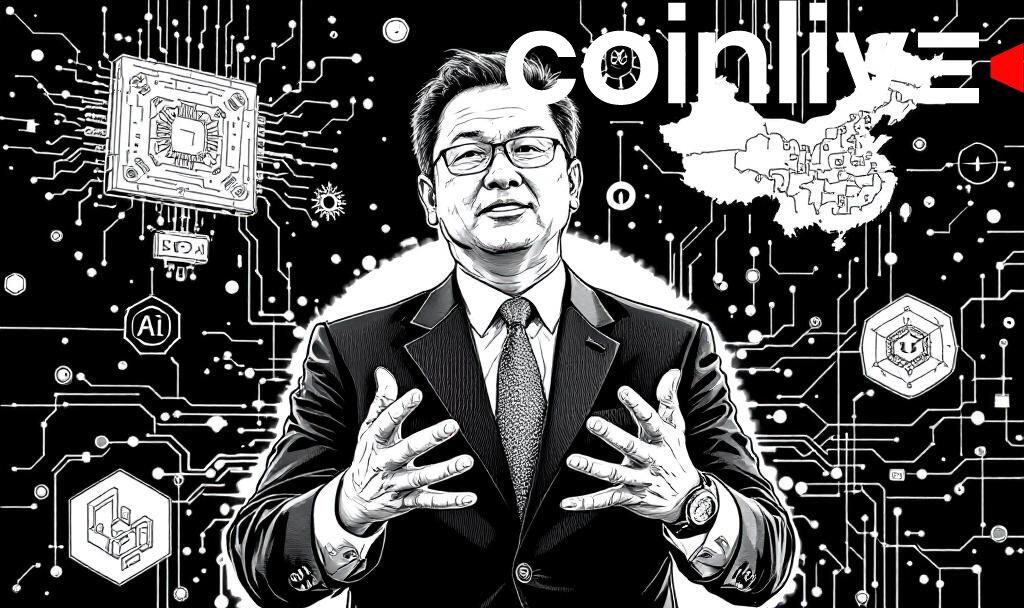
Nvidia's CEO Jensen Huang claims China will surpass the US in the AI race due to US export controls and China's subsidized energy, as reported in the Financial Times.
Huang's statement highlights geopolitical tensions impacting AI development, with potential shifts in global tech dominance and investment implications for US and Chinese markets.
Geopolitical Impact on AI Development
In a recent interview, Nvidia CEO Jensen Huang expressed, "China is going to win the AI race," a statement emphasizing the impact of U.S. export controls and China's ability to provide subsidized energy crucial for data centers.
Jensen Huang, who co-founded Nvidia, has repeatedly criticized U.S. export restrictions, underscoring their adverse effects on American tech leadership. He reiterated that China, described as "nanoseconds behind," will gain an advantage in the AI sector due to these policies.
Market Dynamics and Financial Implications
The immediate effects include a shift in market dynamics, with Nvidia losing ground due to export sanctions. China is poised to enhance its AI and semiconductor production, significantly impacting industry stakeholders and possibly leading to a realignment of market power.
Financially, Nvidia may witness a decline in revenue as China invests in domestic firms. This could steer billions from Western technology, compelling companies like Nvidia to reassess their strategies amid rising geopolitical tensions.
Future of Global Tech Competition
The geopolitical landscape is altering, with resource allocation redefining industry standards. Huang's forecast signals the potential for escalated technological competition. This may necessitate regulatory adjustments and drive innovation within the global chip market.
Historical trends in tech independence could spur further investments in China's semiconductor industry. Experts suggest a possible acceleration of global technological bifurcation, with implications for global collaboration and economic interdependence.