


A New Era for AI Verification and Development
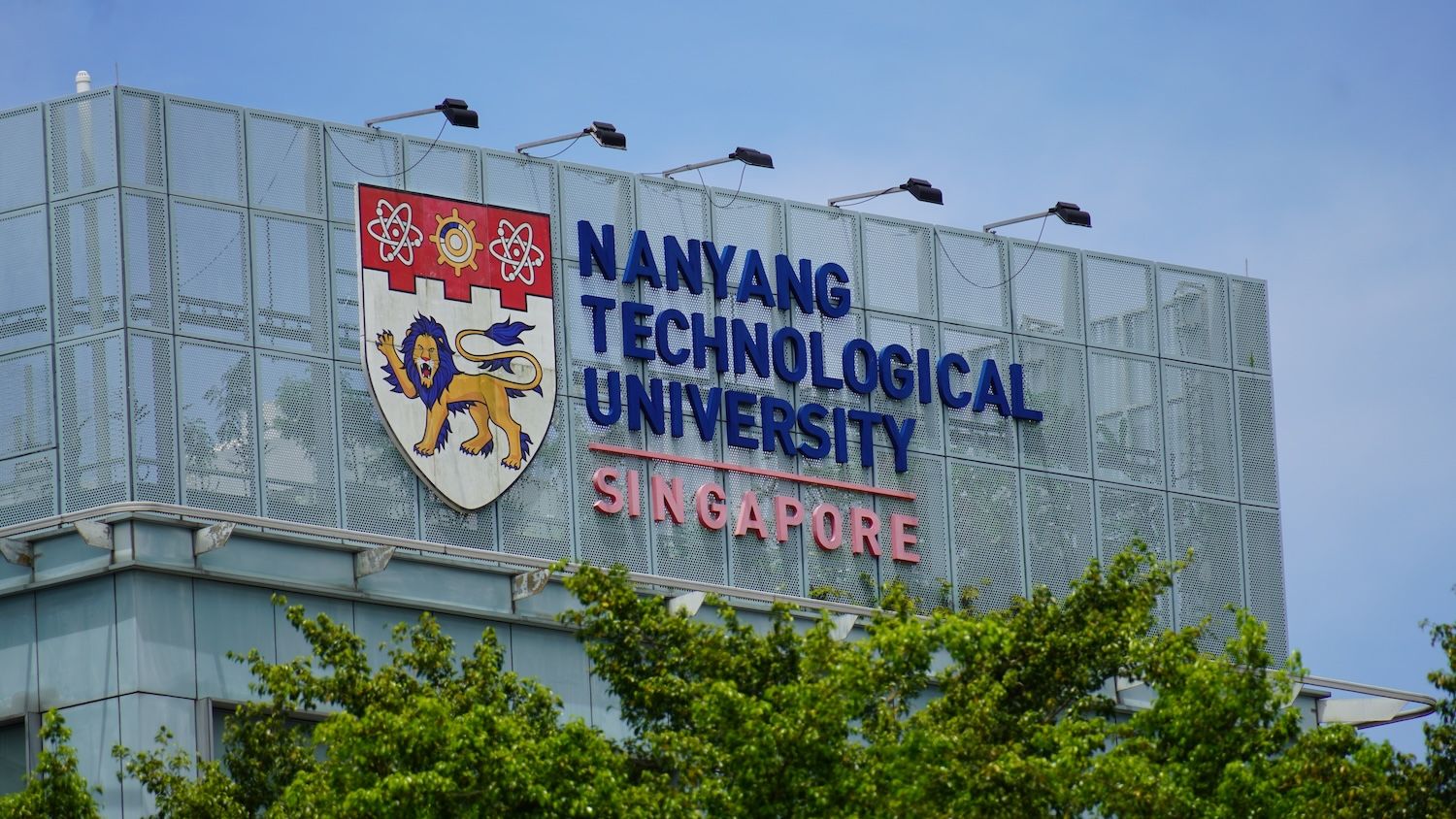
Nanyang Technological University (NTU) and Zero Gravity, a decentralized AI infrastructure company, have announced a significant S$5 million joint research hub. This initiative aims to develop artificial intelligence systems where computational processes can be verified on blockchain technology. The four-year project will concentrate on key areas such as decentralized AI training, blockchain-integrated model alignment, and the development of proof-of-useful-work consensus mechanisms. These mechanisms are designed to reward contributors for their computing resources and data, fostering a more collaborative AI development environment.
This partnership represents Zero Gravity's first university collaboration on a global scale, signaling a strategic move towards academic integration in its decentralized AI ambitions.
Enhancing Transparency and Auditability in AI
The core innovation of this research hub lies in its departure from conventional AI systems. Traditional AI operates within closed server environments, where the training data and inference processes are not readily accessible for public scrutiny. In contrast, the blockchain-based approach championed by NTU and Zero Gravity will meticulously record every step of the AI lifecycle, from initial training to the final output, on distributed ledgers. This distributed recording will enable robust external verification and auditing capabilities, significantly increasing the transparency and trustworthiness of AI systems.
"By partnering with NTU, we are aligning with a global leader in blockchain and computing research to move beyond centralized AI monopolies," said Michael Heinrich, CEO and co-founder of Zero Gravity. "Together, we will build an open ecosystem where developers, institutions, and communities can contribute, verify, and audit."
Research Leadership and Future Applications
The research endeavors will be spearheaded by NTU Associate Provost Wen Yonggang and Zero Gravity CTO Ming Wu. Their teams will focus on architecting decentralized computing frameworks and developing innovative AI marketplaces. These marketplaces are envisioned to facilitate the exchange and utilization of AI models and data in a secure and verifiable manner.
Early proof-of-concept applications are anticipated within the next two years, with a focus on critical sectors such as finance, healthcare, and infrastructure. These pilot projects will aim to demonstrate the practical viability and benefits of decentralized AI. Zero Gravity has recently achieved a significant financial milestone, securing over $325 million in committed funding, which includes a substantial $40 million seed round. This round was notably led by Hack VC and saw participation from prominent investors including Delphi Ventures, OKX Ventures, Samsung Next, and Animoca Brands.
NTU's College of Computing and Data Science will play a pivotal role in providing research leadership, particularly in the areas of scalable model training and the development of robust blockchain-enabled security frameworks.
Fostering Innovation and Addressing Regulatory Concerns
Beyond the core research, the partnership is committed to nurturing talent and fostering a community around decentralized AI. This will include a series of workshops, hackathons, and student scholarship programs designed to encourage participation and innovation.
This collaborative initiative is strategically positioned to elevate Singapore as a potential global hub for transparent AI development. This comes at a crucial time when there is increasing regulatory scrutiny surrounding closed AI systems and their potential implications.
A key area of investigation for the research program will be to determine whether blockchain infrastructure can effectively match the computational throughput and cost-efficiency of the centralized AI training systems currently operated by major technology corporations. The success of the pilot applications will be instrumental in demonstrating this capability.
NTU Vice President Louis Phee emphasized the overarching goal of this collaboration, stating that it aims to "design a next-generation AI stack that enables global participation and transparency."