


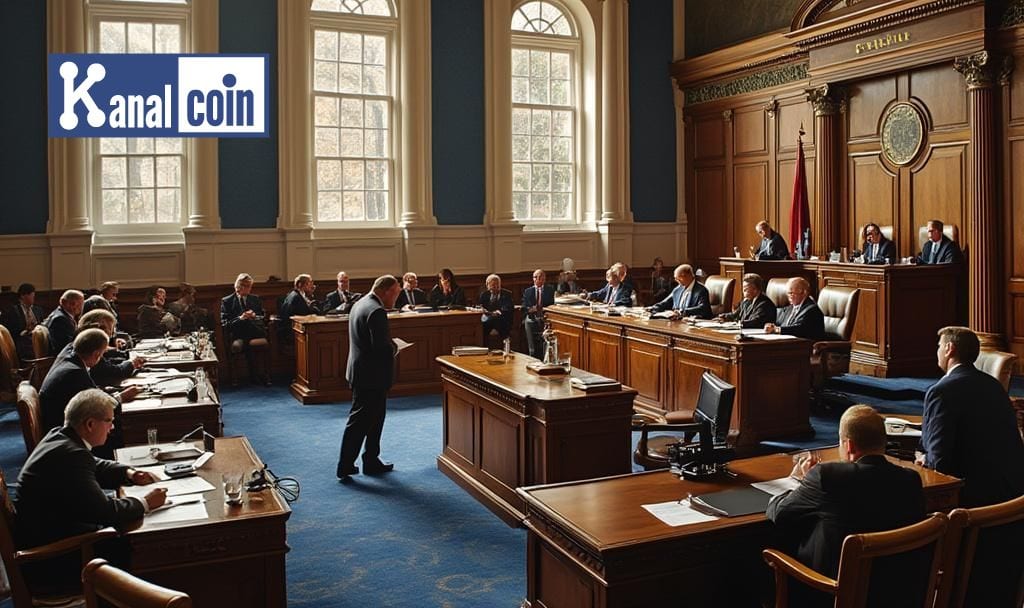
The New Hampshire Senate recently paused a bill to deregulate cryptocurrency mining after a split vote, opting for further study instead of immediate passage.
This decision highlights ongoing tensions in balancing innovation with local regulatory control, though it hasn't led to significant market movements or immediate changes in cryptocurrency trading activities.
Senate Vote Sends Crypto Bill to Further Review
The New Hampshire Senate recently halted progress on a crypto mining deregulation bill after a split vote. The bill, aiming to protect blockchain users and prohibit local mining regulations, was sent for further study instead of immediate passage.
Representative Keith Ammon sponsored the bill, focusing on crypto-friendly frameworks. It targets local restrictions specifically on digital asset mining. New Hampshire's Senate Commerce Committee played a key role but could not reach a consensus, resulting in further examination.
"Our focus is on ensuring that New Hampshire remains a leader in the digital asset space while balancing local regulatory needs."
Regulatory Concerns for Bitcoin and Mining Operations
No direct financial impact is evident from the bill's stall. New Hampshire's crypto treasury allocations remain separate from mining deregulation activities, keeping institutional investments insulated. Concerns center on regulatory implications affecting Bitcoin and other proof-of-work cryptocurrencies.
Possible outcomes include regulatory delays and technological adjustments for mining operations. Bitcoin and similar digital currencies could face impacts if local regulations change. Historical trends suggest such bills can create industry uncertainty, prompting strategic shifts. Further analysis requires official statements.
Crypto Deregulation Efforts Mirror National Trends
New Hampshire previously allowed treasury crypto reserves in 2025, marking its embrace of digital assets. Similar legislative efforts in Texas and Kentucky faced debates over innovation and safety, reflecting broader national trends and tensions in the crypto regulatory landscape.
Experts indicate the potential for increased regulatory scrutiny, impacting digital asset ecosystems. Historical analysis suggests delays in deregulatory efforts can stall innovation and market adaptation. Monitoring future legislative actions is crucial for understanding these evolving dynamics.