


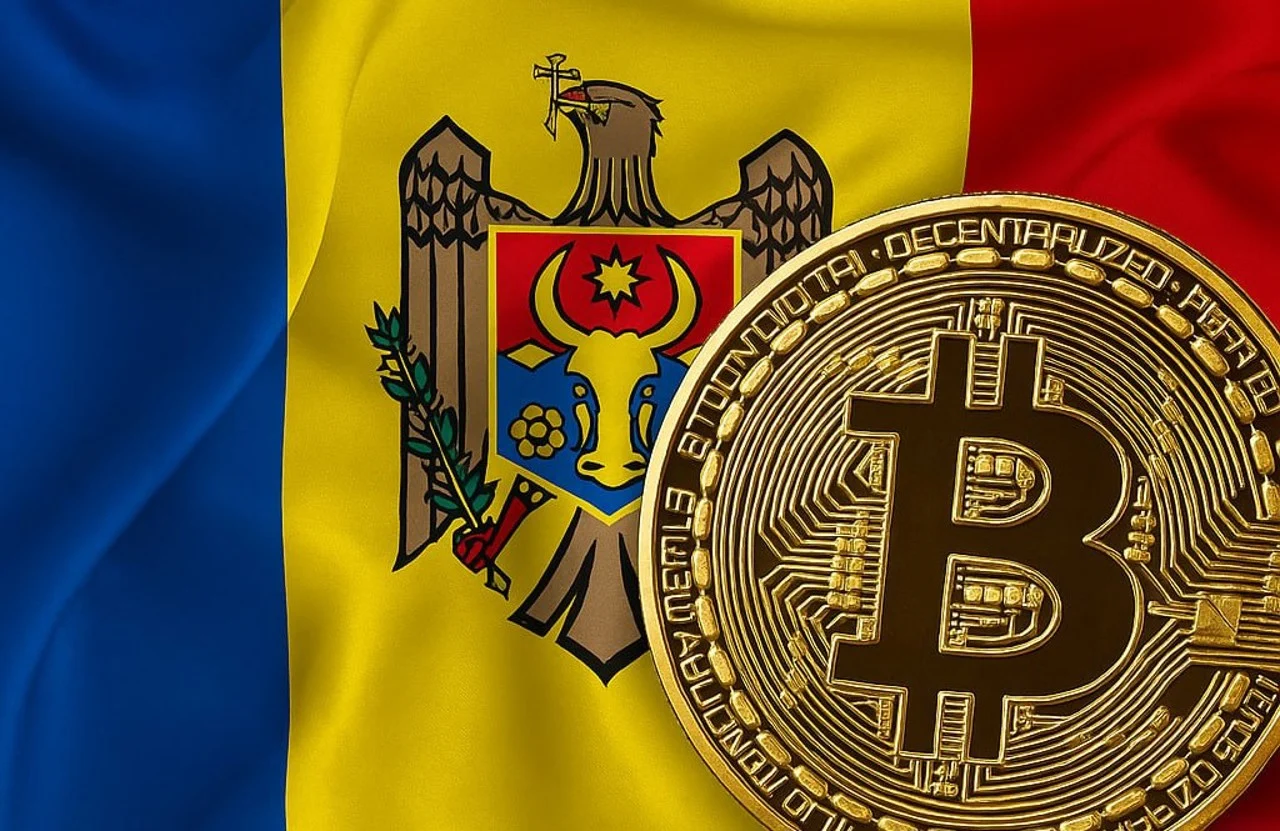
The Republic of Moldova is advancing towards establishing clear regulations for Bitcoin and cryptocurrencies by 2026, demonstrating a commitment to aligning with European directives. A new draft law, spearheaded by the country’s Minister of Finance, aims to introduce a transparent and secure regulatory environment for digital assets. This proposed legislation is slated for public release and consultation in the near future.
Although Moldova is not yet a member of the European Union, it is actively pursuing membership. This ambition involves implementing reforms across crucial sectors, including the economy, security, and citizens' rights, with a recent focus on regulating the digital asset space.
Moldova's Minister of Finance Targets Comprehensive Crypto Legal Framework by 2026
According to recent reports from Moldovan mainstream media, the Minister of Finance, Andrian Gavriliță, is actively working to establish a comprehensive and clear legal framework for cryptocurrencies within a secure environment by the end of 2026. During a national television appearance, he discussed a draft law on crypto regulation that is being developed in collaboration with key state institutions. These include the National Bank of Moldova, the National Commission for Financial Markets, and the Service for the Prevention and Combating of Money Laundering.
The anticipated new legal framework is designed to provide several key benefits:
- •Clarity for all stakeholders in the crypto market.
- •Enhanced protection for citizens engaging with digital assets.
- •Establishment of state control over the crypto sector.
- •Support for the development and growth of the crypto market.
Implications of the New Crypto Regulation
The forthcoming legislation will delineate specific aspects of the crypto market, including:
- •Defining which individuals and entities are permitted to conduct cryptocurrency transactions.
- •Specifying who can convert cryptocurrencies into Moldovan lei or other foreign currencies.
- •Identifying the types of entities that will be authorized to operate within the crypto market.
Importantly, while the new legal framework will not permit cryptocurrencies to be used as a direct means of payment within Moldova, both the ownership and trading of crypto assets will be legally recognized.
Tax Regime for Cryptocurrencies
The Minister of Finance also outlined the proposed tax regime for digital assets:
- •Holding cryptocurrencies will not incur any taxes.
- •Profits derived from cryptocurrency trading will be subject to a 12% tax, aligning with the taxation of other income-generating activities.
New Crypto Regulation Addresses Security and Money-Laundering Risks
Minister Gavriliță’s proposed regulations are being introduced in the context of existing security and money-laundering risks within the country. A recent investigation into a case involving treason and espionage revealed the involvement of Russian citizens in organizing hostile activities against Moldova. These individuals were reportedly recruiting Moldovan citizens and establishing an agent network to facilitate subversive operations.
The investigation uncovered the use of illicit channels for transferring funds from Russia to Moldova to finance these operations. These channels included cryptocurrencies and the HAWALA system, which facilitates cross-border transfers outside of traditional banking institutions through covert means.
Moldova's Minister of Finance referenced this case to highlight the nation's vulnerabilities, particularly in the absence of a clear legal framework for cryptocurrencies. His objective is to legalize the digital asset industry while simultaneously preventing its exploitation for illegal financing and money laundering. Gavriliță also acknowledged the speculative nature of cryptocurrencies, advising caution for individuals considering investments in this sector.
Moldova's Commitment to EU Regulatory Standards
This recent initiative by Moldova underscores its dedication to adopting EU regulatory standards. Minister Gavriliță expressed the view that cryptocurrencies cannot simply be banned but should instead be regulated within a clear and secure framework.
The trajectory of crypto regulation in Moldova appears to be moving towards alignment with the EU's comprehensive framework for digital assets, which has already been implemented in member states such as Romania and others. Moldova's engagement with cryptocurrencies began cautiously, with the National Bank issuing warnings about associated risks in 2017. A policy shift occurred in 2018, permitting crypto trading while prohibiting payments. This ban was reinforced in 2022 with penalties, and by the following year, the focus shifted towards security, with strengthened Anti-Money Laundering (AML) enforcement and fraud investigations.
Global Efforts to Implement Clear and Safe Crypto Rules
The development of crypto regulation in Moldova coincides with a global trend of increasing adoption and a concerted effort to establish clearer and safer frameworks for the cryptocurrency industry worldwide. The crypto industry holds significant potential for positive impact, but it also presents opportunities for malicious actors, necessitating robust regulatory oversight within its continuously evolving ecosystem.
Romania serves as a notable example in the region, demonstrating that the cryptocurrency sector can flourish securely within a more regulated environment. The hope is that Moldova will follow a similar path toward responsible digital asset management.