



Lidya, a Nigerian lending startup, has ceased operations due to severe financial distress. The company had successfully raised approximately $16.45 million between 2017 and 2021, including a significant $8.3 million pre-Series B funding round.
In an email communication to its customers, Lidya announced its cessation of operations, citing insurmountable financial difficulties. This development marks the end of a startup that had shown considerable promise, evidenced by the substantial funding it secured and its aim to provide collateral-free loans to small businesses.
“Despite best efforts to restructure and sustain operations, the Company has encountered severe financial distress and is no longer able to continue in business. As a result, the Company has ceased all operations,” the email stated.
The company, which had expanded into Europe, faced a combination of operational challenges and leadership issues that ultimately contributed to its downfall.

Reports indicate that some customers have funds still tied up within the business. Furthermore, small businesses that had partnered with Lidya have been unable to process their funds for over a year. The company, however, stated in its email that it is currently unable to settle claims and disburse funds due to its current financial standing.
“Due to the Company’s financial status, it is unable to process funds or settle claims at this time,” the company communicated.
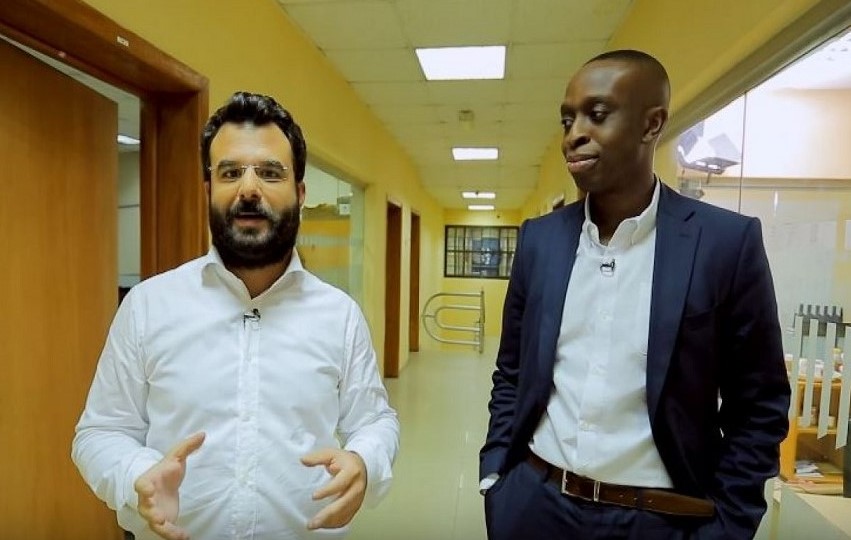
Lidya was founded in 2016 by former Jumia Executives, Ercin Eksin and Tunde Kehinde. The Lagos-based startup was designed to offer small business owners access to working capital to facilitate the expansion of their business operations. Similar to other online lending providers, Lidya utilized credit-scoring smart algorithms and technology to assess a customer’s creditworthiness.
Beyond providing loans, Lidya also functioned as a digital partner for Small and Medium Enterprises (SMEs). The platform offered users a digital account where they could manage a database of their customers. Users could also generate invoices with their company profiles and send them digitally to their clients, while simultaneously managing cash flows, customer data, and tracking payments.
Lidya’s collapse, following a period of operational challenges and leadership issues, underscores the critical importance of sustainable growth within the African fintech industry.
Lidya's Trajectory: Rise and Fall
Since its inception in 2016, Lidya successfully raised substantial funding and expanded its operations into Europe.
The company gained recognition for its ability to provide collateral-free loans to small businesses, which paved the way for its international expansion. As part of this expansion, Lidya launched operations in Poland and the Czech Republic.
A key advantage offered by Lidya was its efficient loan processing and disbursement, typically completed within 48 hours, with agreed-upon repayment schedules.
Key Milestones in Lidya's History
- •May 2018 – Lidya secured $6.9 million in a Series A funding round, led by the Silicon Valley-based philanthropic firm Omidyar Network.
- •2020 – The company expanded its operations to Poland and the Czech Republic, with plans to disburse $1.1 billion in loans to small businesses that faced difficulties obtaining bank loans within a five-year period.
- •July 2021 – Lidya raised $8.3 million in a pre-Series B funding round to scale its lending operations across its existing markets. This funding round was led by Alitheia Capital through its uMunthu Fund.
- •2023 – The company ceased its business operations in European countries due to persistent operational difficulties.
- •May 2024 – A report by Techpoint Africa indicated that Lidya may have encountered significant problems in May 2024, when it reportedly became unable to pay the salaries of its tech team based in Portugal.
- •September 2024 – Lidya’s Chief Technology Officer, Cristiano Machado, departed from the company.
- •October 2024 – Kehinde stepped down from his role as CEO and exited the company.
- •2024 – 2025: Lidya experienced substantial financial difficulties, which led to an inability to release customer funds and secure new investments.
- •October 2025 – The company officially closed its operations and shut down.

At its operational peak, Lidya processed over $50 billion in credit applications and successfully disbursed more than $150 million to a total of 32,000 small businesses.