


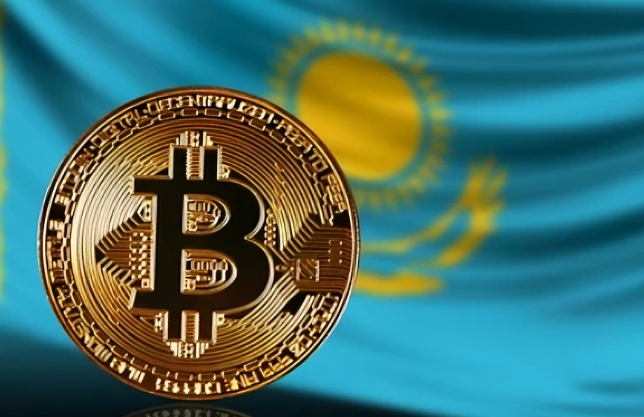
Kazakhstan has officially entered the digital asset reserve space through its newly established Alem Crypto Fund, a state‑backed investment vehicle designed for long‑term cryptocurrency holdings. The fund made its debut purchase with BNB, partnering with Binance Kazakhstan for the initiative.
The Ministry of Artificial Intelligence and Digital Development created the fund, which operates under the management of Qazaqstan Venture Group within the Astana International Financial Centre. Officials did not disclose the exact amount of BNB purchased to seed the fund or reveal plans for additional cryptocurrency investments.
The primary objective centers on making long‑term investments in digital assets while building strategic reserves for the nation. BNB serves as the utility token powering transactions, fees, and governance on Binance's blockchain infrastructure.
Binance has maintained a partnership with Kazakhstan's government since 2022, when former CEO Changpeng Zhao signed a memorandum of understanding with the Ministry of Digital Development. The collaboration focused on developing the country's crypto regulatory framework.
This announcement arrived less than a week after Kazakhstan introduced KZTE, its tenge‑backed stablecoin on the Solana network, through partnerships with Mastercard, Intebix, and Eurasian Bank. The Central Asian nation of approximately 20 million people has established itself as a significant hub for crypto mining operations.
President Kassym‑Jomart Tokayev called for regulators to adopt more transparent legal frameworks around digital assets in 2024 after authorities shut down 36 unlicensed exchanges. In May 2025, the country unveiled plans for CryptoCity, a pilot zone permitting crypto payments within its borders.
Earlier this month, Tokayev advocated for a strategic crypto reserve and a comprehensive digital asset ecosystem, with legislation expected before 2026. The Alem Crypto Fund represents a state‑backed initiative, highlighting the growing trend of countries adding BTC and crypto to national treasuries, though it differs from a central bank reserve.
El Salvador became the first country to establish an official BTC reserve in 2021, adopting it as legal tender the same year. Bhutan began accumulating BTC through state‑backed mining operations as early as 2019, while Brazil and Indonesia have recently explored establishing national strategic digital asset reserves.