



Japan's Cabinet, led by Prime Minister Sanae Takaichi, has approved a historic ¥17.7 trillion supplementary budget aimed at addressing inflation and voter discontent. This substantial fiscal package has already begun to influence currency rates and bond yields, sparking significant market reactions and raising questions about Japan's long-term economic stability.
Budget Details and Objectives
The newly approved budget, totaling ¥17.7 trillion (approximately $112 billion), is designed to combat persistent inflation and alleviate growing public discontent. A significant portion of this budget, ¥2.7 trillion, is allocated for tax cuts, while another ¥7.2 trillion will be directed towards strategic sectors such as Artificial Intelligence (AI). This broad-based approach underscores the government's commitment to economic stabilization and future growth.
Prime Minister Sanae Takaichi articulated the government's stance, stating, "My goal is to pursue a responsible and proactive fiscal policy and keep living costs in check." This statement highlights the dual objectives of managing economic challenges while ensuring the welfare of citizens.
Market Impact and Policy Responses
The extensive fiscal expansion has led to a depreciation of the Japanese yen and an increase in bond yields. These movements have raised concerns among investors regarding Japan's overall economic stability. In response to potential excessive volatility in foreign exchange markets, Finance Minister Satsuki Katayama indicated that Tokyo might intervene if necessary, signaling a readiness to manage currency fluctuations.
The recent stimulus package represents a notable increase, marking a 27% rise from the ¥13.9 trillion budget enacted in 2024. This escalation in fiscal measures reflects Japan's intensified efforts to navigate prolonged inflationary pressures and stabilize its economy.
Implications for the Crypto Market
The fiscal decisions made by Japan can have indirect ripple effects on global markets, including the cryptocurrency sector. While the primary focus of the budget is on traditional economic sectors and currency stability, shifts in major economies like Japan can influence investor sentiment and capital flows worldwide. The volatility in JPY trading pairs, often observed following significant fiscal announcements, can create opportunities and risks across various financial instruments, including digital assets.
As of November 21, Bitcoin was trading at $85,696.38 with a market capitalization of $1.70 trillion, representing 58.12% of the total crypto market dominance. The 24-hour trading volume for Bitcoin was $99.71 billion, showing a decline of 7.41% over the past 24 hours and a decrease of 25.98% over the last 90 days.
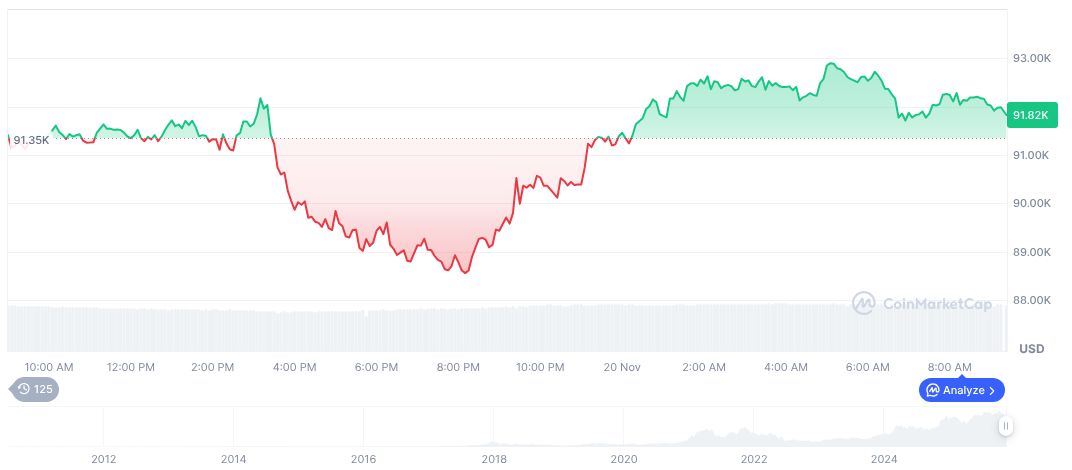
This fiscal shift in Japan suggests potential upticks in JPY volatility, which could indirectly influence sectors including crypto markets. While fiscal moves bolster strategic financial sectors, subsequent focus may turn towards regulatory adjustments. Historical data indicates that similar budgets have significantly impacted JPY trading pairs.