


A STRATEGIC SHIFT IN PAYMENTS
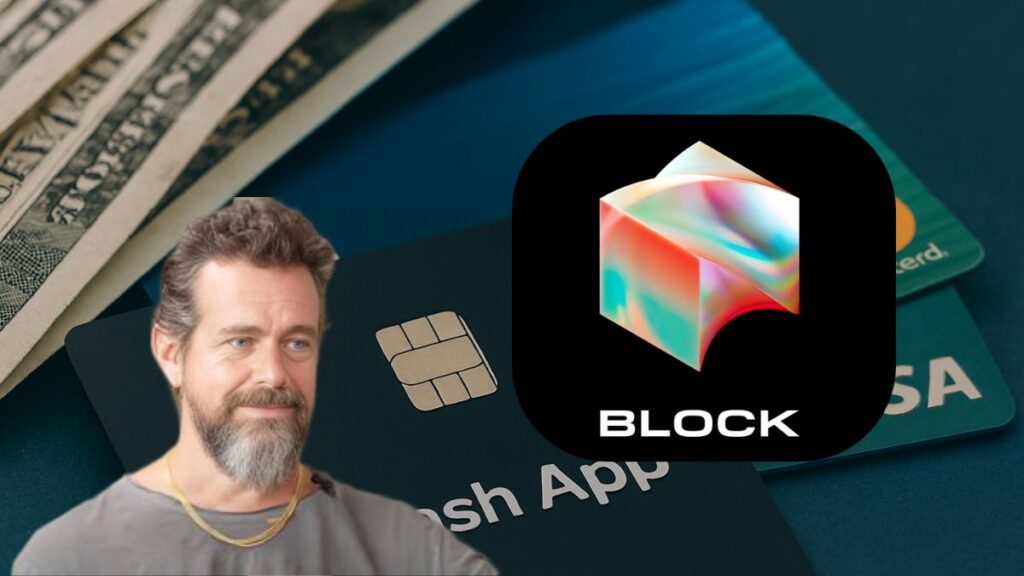
The Cash App Card Network represents a significant evolution for Block, which has steadily expanded beyond peer‑to‑peer transfers into a full‑scale financial services platform. By building its own network, Block reduces reliance on Visa and Mastercard infrastructure, positioning itself as a direct competitor. This strategy reflects Dorsey’s long‑standing vision of decentralizing financial systems and empowering users with more control over their money.
MERCHANT AND CONSUMER BENEFITS
For merchants, the new network promises lower transaction costs compared to traditional card fees, a critical advantage for small businesses. Consumers, meanwhile, gain seamless integration with their existing Cash App accounts, making payments faster and more intuitive. The company highlights that this dual benefit could accelerate adoption, particularly among younger demographics already comfortable with digital wallets.

COMPETITIVE LANDSCAPE
Visa and Mastercard have long dominated global payments, processing trillions annually. Block’s entry introduces a disruptive force that could reshape the competitive landscape. While the incumbents maintain vast networks and brand trust, Cash App’s 57 million active users provide a strong foundation for growth. Analysts suggest that if Block can scale merchant acceptance quickly, it could carve out meaningful market share.
FUTURE OUTLOOK
The launch of the Cash App Card Network signals Block’s ambition to become a central player in global payments. Success will depend on merchant partnerships, regulatory navigation, and consumer adoption. Still, the move underscores a broader trend: fintech firms are no longer content to operate within existing rails but are building their own. For Dorsey, this marks another step toward redefining how money moves in the digital age.