


Stablecoins' Growing Influence in Emerging Markets
The International Monetary Fund (IMF) has reported that stablecoins, particularly those denominated in US dollars, are increasingly being adopted in emerging markets. This trend poses a potential threat to the ability of central banks in these regions to effectively manage liquidity and set interest rates, thereby influencing their monetary policies and national currencies.
The rise of stablecoins is especially pronounced in economies grappling with high inflation. The IMF's report emphasizes the necessity of implementing legal frameworks to prevent stablecoins from acquiring the status of legal tender. Such measures are deemed crucial for maintaining financial stability within these markets.
The proliferation of stablecoins could lead to a significant shift away from local currencies, particularly impacting countries experiencing high inflation rates. The IMF strongly advises nations to establish clear legal standards that prohibit these digital assets from being recognized as legal tender, thereby protecting their financial systems.
In response to these emerging concerns, there is a significant focus on reinforcing existing regulatory frameworks. Joyston Faisal, a senior economist at the IMF, stated, "It's imperative that countries fortify their financial systems to withstand potential disruptions posed by stablecoins."
Regulatory Frameworks and Financial Stability Risks
"While stablecoins can improve cross-border payments and financial inclusion, these benefits come with heightened macro-financial risks if regulation, supervision, and resolution regimes are weak." — Christine Lagarde, Former Managing Director, International Monetary Fund
The substantial influx of stablecoins into emerging markets mirrors historical patterns where citizens turned to foreign currencies during periods of high inflation. This phenomenon exerted considerable pressure on local economic policies and underscores the importance of robust regulatory measures.
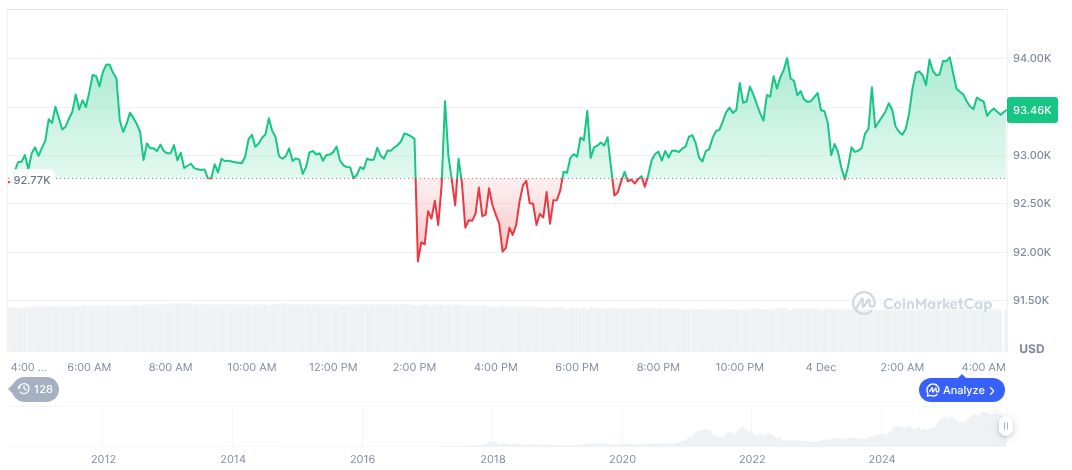
According to data from CoinMarketCap, Bitcoin (BTC) was trading at $92,139.34 with a market capitalization approaching $1.84 trillion. Despite holding a dominant 58.73% market share, Bitcoin experienced a 1.42% decrease in value over the preceding 24 hours. Trading volumes also saw a decline of 16.41% in the past day. The total supply of Bitcoin is capped at 21 million units.
Research from Coincu indicates that the landscape for the regulatory evolution of stablecoins is both crucial and challenging. As regulatory frameworks continue to develop, potential technological advancements may emerge, creating opportunities for innovation while simultaneously ensuring the protection of sovereign interests.