


Key Takeaways
- •Illegal cryptocurrency mining in Malaysia has resulted in losses exceeding US$1.11 billion for Tenaga Nasional (TNB).
- •Authorities identified 13,827 premises using unauthorized electricity for crypto mining between 2020 and August 2025.
- •TNB is collaborating with regulators to prevent meter tampering and enforce the Electricity Supply Act.
Massive Losses Due to Electricity Theft
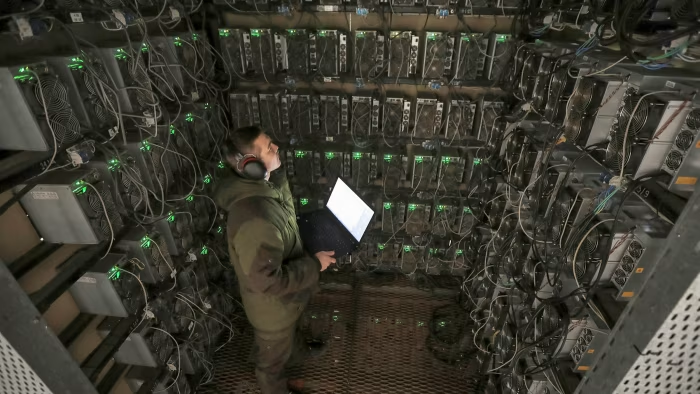
Malaysia’s national electricity provider, Tenaga Nasional Bhd (TNB), has reported losses exceeding US$1 billion due to illegal cryptocurrency mining. This figure was disclosed by the Ministry of Energy and Water Transformation. Between 2020 and August 2025, authorities identified 13,827 premises that were illegally tapping into the electricity grid to power cryptocurrency mining operations, with a primary focus on Bitcoin.
The illicit use of electricity has led to financial losses amounting to 4.6 billion ringgit, which is approximately US$1.11 billion. Although Malaysia currently lacks specific legislation to regulate cryptocurrency mining, tampering with electricity meters or bypassing connections is an offense punishable under the existing Electricity Supply Act.
Malaysia’s Ministry of Energy said national utility TNB has lost over $1.1 billion from electricity theft by crypto miners between 2020 and August 2025, with 13,827 sites found illegally modifying or bypassing meters to power mining operations. https://t.co/MrbAWpHBZD
— Wu Blockchain (@WuBlockchain) November 19, 2025
Authorities Intensify Crackdown on Illicit Miners
TNB is actively collaborating with government authorities to identify and halt illegal mining activities. The utility company is conducting regular audits and inspections to detect unauthorized electricity usage and prevent further financial losses. Officials have issued warnings that individuals caught tampering with meters or bypassing electricity connections could face legal consequences under current laws, even without specific cryptocurrency regulations in place.
The increase in cryptocurrency mining in Malaysia mirrors a global trend of energy-intensive operations driven by high-value digital assets. These activities place significant strain on national power grids and utilities. The Ministry of Energy has stressed the importance of monitoring cryptocurrency mining operations to safeguard both infrastructure and consumers from potential financial and operational disruptions.
Financial and Regulatory Implications for the Crypto Sector
This situation highlights the ongoing tension between the rapid adoption of cryptocurrencies and the existing energy infrastructure. Industry analysts point out that unregulated cryptocurrency mining can pose substantial financial and operational risks to utility providers. Malaysian authorities are reportedly considering the implementation of stronger measures to monitor cryptocurrency mining activities and combat electricity theft, suggesting a potential for increased regulatory oversight in the sector.
In a separate but related development, Malaysian police are investigating a cryptocurrency scam where a 71-year-old retiree lost RM525,000 to an online investment scheme. This incident, which occurred in Kuala Terengganu, underscores the persistent risks faced by consumers within the rapidly expanding digital asset market.