


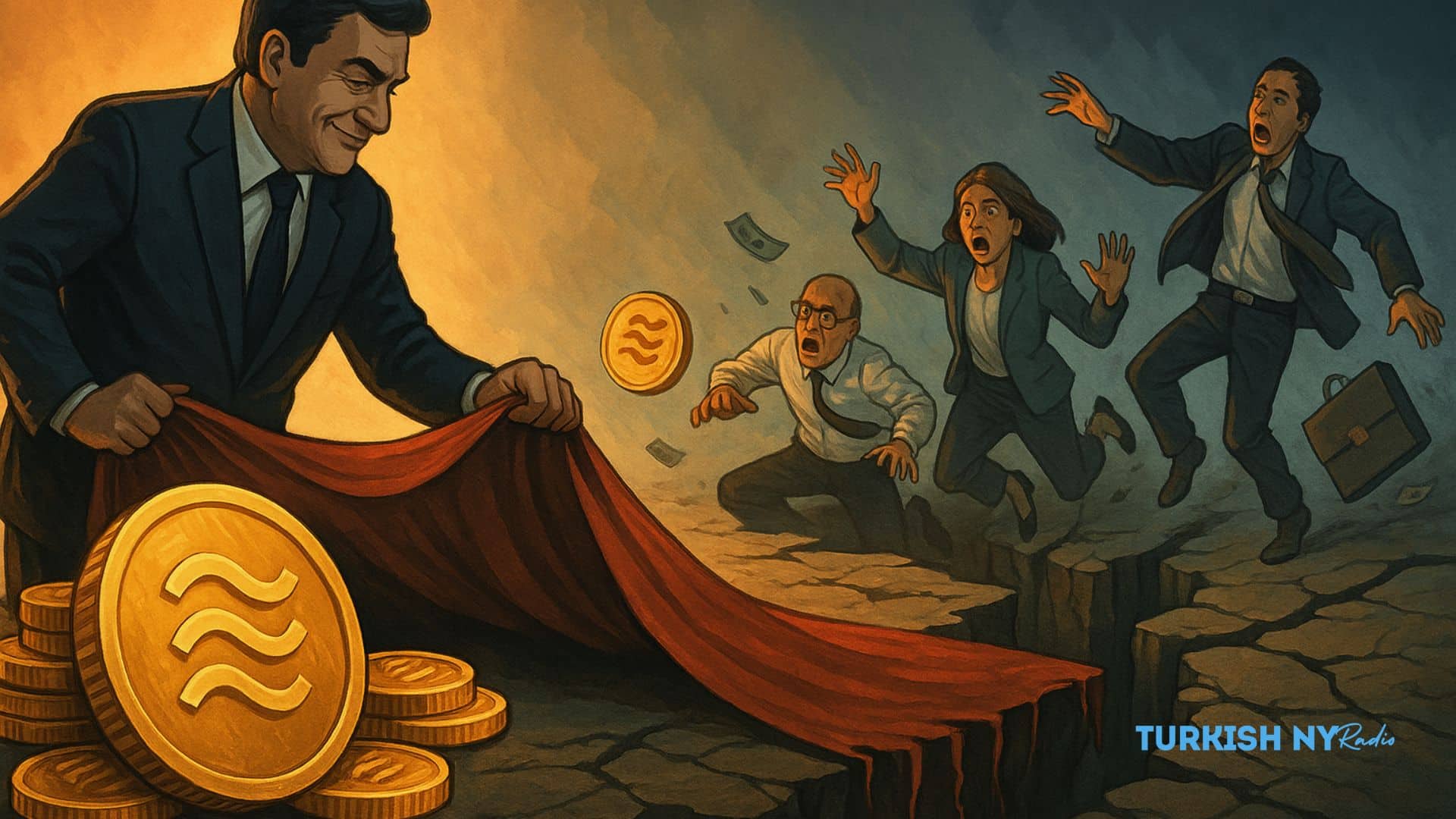
A congressional commission in Argentina has concluded that President Javier Milei used his public office to promote the LIBRA token. This finding follows a months-long investigation into the matter.
Lawmakers have stated that the LIBRA token was pushed without adequate oversight, a move they warn exposed investors to severe potential losses.
The final report indicates that the president contributed to legitimizing the token through his activity on social media. His specific post regarding the token’s purchase contract is noted as having provided it with broad visibility.
Investigators Outline LIBRA Token Liquidity Collapse
The commission also identified President Milei's sister, Karina Milei, for her role in arranging access for the project's promoters. Lawmakers have raised concerns that the LIBRA token may be part of an international fraud scheme.
Investigators have characterized the LIBRA token launch as a classic "rug-pull" pattern, alleging that insiders concentrated on accumulating tokens early in the project's lifecycle.
Following this accumulation, a public figure reportedly promoted the asset, after which liquidity subsequently vanished. This sequence of events led to losses for over 114,000 wallets, with many investors losing substantial sums, while only a small group reportedly saw major profits. The commission has also reported encountering obstruction from various government offices during their investigation.
President Accused of Boosting LIBRA Token
The commission's report asserts that the president's post on his X account significantly boosted the LIBRA token. This post was widely shared and interpreted by many investors as an official signal of endorsement. Lawmakers argue that a public endorsement from a head of state can profoundly shape market behavior.
The report further highlights the involvement of Karina Milei, stating that she facilitated meetings within the presidential palace involving the creators of the token.
According to the document, her involvement blurred the lines between official government duties and private business ventures. Lawmakers have expressed concern that such actions can undermine public trust in governmental institutions.
Alleged Rug Pull Pattern Identified
According to investigators, the LIBRA token's trajectory followed a predictable fraud model. Initially, developers held a substantial portion of the token supply. Subsequently, the president's endorsement triggered heavy buying activity from investors. Shortly thereafter, the token's liquidity significantly diminished.
This sequence of events resulted in massive financial losses for many participants. The report details that 498 wallets experienced losses exceeding $100,000 each. An additional 3,144 wallets lost between $10,000 and $100,000. In contrast, only 36 wallets reportedly saw significant profits.
Losses Spread Across Argentina and Beyond
The LIBRA token attracted a large number of small-scale investors, many of whom purchased the asset after seeing the president's public post. The subsequent crash had a severe impact on these individuals.
The commission has stated that the state failed to adequately warn potential buyers about the risks involved and also neglected to conduct a thorough study of the project before promoting it. Lawmakers contend that these failures created unnecessary financial risks for investors.
Key Figures Behind LIBRA Token Identified
The report names American businessman Hayden Davis and Argentines Mauricio Novelli and Manuel Terrones Godoy as key figures involved in the launch of the LIBRA token.
The commission uncovered records indicating that these individuals gained authorized access to government buildings. Lawmakers suggest that this access enhanced the token's perceived legitimacy among the public.
Government Officials Accused of Blocking Inquiry
The commission has reported that several officials refused to cooperate with their investigation. Specifically named are Justice Minister Mariano Cúneo Libarona, Anti-Corruption Office head Alejandro Melik, and former investigation chief Florencia Zicavo.
These individuals are slated to be formally reported for non-cooperation. Lawmakers stated that this resistance significantly hindered the progress of their work.
Ruling Party Rejects the Claims
Members of the ruling party have publicly dismissed the report's findings. They argue that the commission operated without a legal basis and suggest the inquiry was driven by political motives.
They contend that the LIBRA token case falls under the jurisdiction of the courts, not the legislative body. Opposition lawmakers, however, argue that this defense overlooks significant ethical concerns and the government's public duties.
Judge Orders Asset Freeze in LIBRA Token Case
A federal judge is also conducting an independent investigation into the matter. Judge Marcelo Martínez de Giorgi has issued an order to freeze the assets of Hayden Davis.
The objective of this freeze is to secure funds believed to be linked to the LIBRA token. Authorities estimate the total amount involved to be up to $120 million. This asset freeze aims to prevent any attempts to move these funds offshore.
Conclusion
The controversy surrounding the LIBRA token has escalated into a significant political and legal dispute. The findings of the congressional commission point towards ethical breaches and substantial financial harm to investors.
The next steps in the case are now under the purview of federal courts. This ongoing situation continues to test Argentina's political climate and the confidence of its investors.
Appendix: Glossary of Key Terms
Rug Pull: A deceptive tactic where project developers abruptly withdraw liquidity after attracting investors, leading to significant financial losses for those invested.
Digital Wallet: A virtual address on a blockchain network used for storing, sending, and receiving cryptocurrencies.
Liquidity Withdrawal: The act of removing funds that facilitate the trading of a token, often a precursor to a market collapse or scam.
Parliamentary Commission: A special committee established by a legislature to investigate specific issues or matters, such as the LIBRA token case.
Asset Freeze: A legal order issued by a court that prohibits individuals from moving, transferring, or disposing of assets that are under investigation.
Public Endorsement: The act of a prominent public figure publicly supporting or promoting a financial product or service, which can significantly influence investor decisions.
Frequently Asked Questions About LIBRA Token
1- What is the LIBRA token case about?
The case primarily concerns allegations that the president of Argentina promoted the LIBRA token without appropriate oversight, potentially exposing investors to risk.
2- How many people lost money?
Reports indicate that more than 114,000 wallets experienced losses related to the LIBRA token.
3- Were government officials involved?
The congressional report implicates several government officials concerning approvals for access and instances of non-cooperation with the investigation.
4 – What legal actions are underway?
A federal judge has initiated legal proceedings, including an order to freeze assets connected to the LIBRA token investigation.