


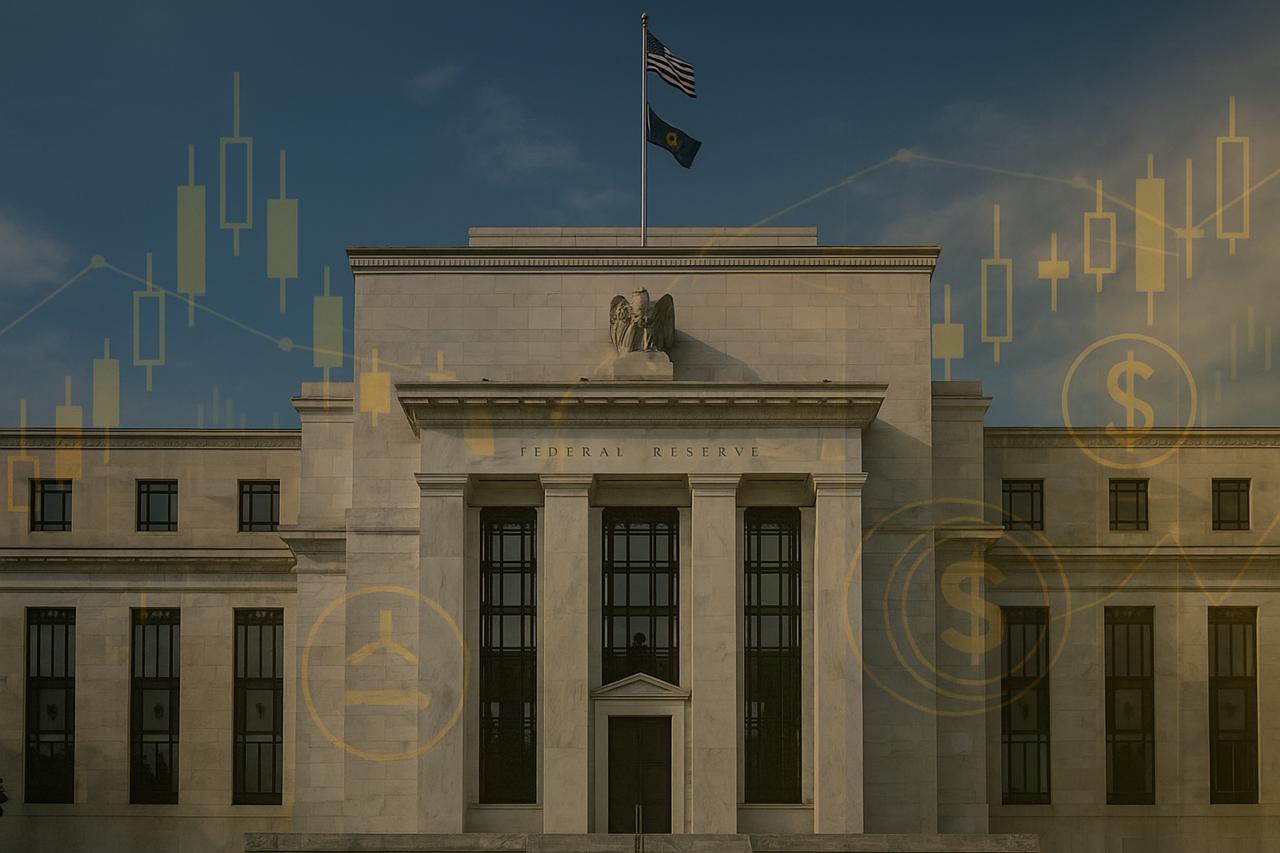
New York Fed President John Williams said the U.S. central bank could soon resume expanding its securities holdings, marking a potential transition into the next phase of the Federal Reserve’s balance sheet management strategy.
The comments come just a week after the Fed announced it would halt balance sheet reductions on December 1, signaling that the long-running process of quantitative tightening may soon give way to renewed bond purchases.
A Shift Toward Maintaining Liquidity, Not Stimulus
Williams emphasized that any future bond purchases would be “in no way representative of a change in the underlying stance of monetary policy.” Instead, he described the move as part of the Fed’s ongoing plan to match the levels of cash-like reserves available to banks, not as an effort to stimulate the economy.
Speaking at a central bank conference in Frankfurt, Williams said the Fed’s efforts to rightsize its asset holdings had progressed as expected. However, he noted that recent volatility in repo markets, a crucial short-term funding arena, indicates that reserves have fallen close to banks’ preferred levels.
That tightening suggests the Fed will soon need to replenish its holdings modestly to keep overnight lending markets adequately supplied.
Repo Market Pressure as the Trigger
Williams highlighted a recent stretch of increased pressure in repo rates as a sign that liquidity conditions are tightening across the financial system. He noted that while the effective federal funds rate remains within the Fed’s target range, certain repo benchmarks have begun rising, reflecting a greater willingness among borrowers to pay a premium for short-term cash.
“Based on recent sustained repo market pressures and other growing signs of reserves moving from abundant to ample,” Williams said, “I expect it will not be long before we reach the point where the Fed resumes net purchases.”
Context: A Controlled Balance Sheet Pivot
The Fed’s gradual move from quantitative tightening (QT) toward renewed asset accumulation marks a pivotal shift in liquidity management. Unlike past rounds of quantitative easing (QE) aimed at stimulating growth, the upcoming phase is expected to stabilize funding markets and maintain smooth functioning across the banking system.
Williams’ remarks align with the Fed’s broader objective of preventing excessive tightening in money markets, a scenario that could amplify financial stress even as interest rates remain elevated.
Outlook
With repo rates flashing early warning signs and reserves nearing critical levels, markets will closely monitor the Fed’s December policy pivot. If bond purchases resume as Williams suggested, it would confirm that the central bank has entered a technical liquidity-support phase, effectively balancing monetary restraint with systemic stability.
