


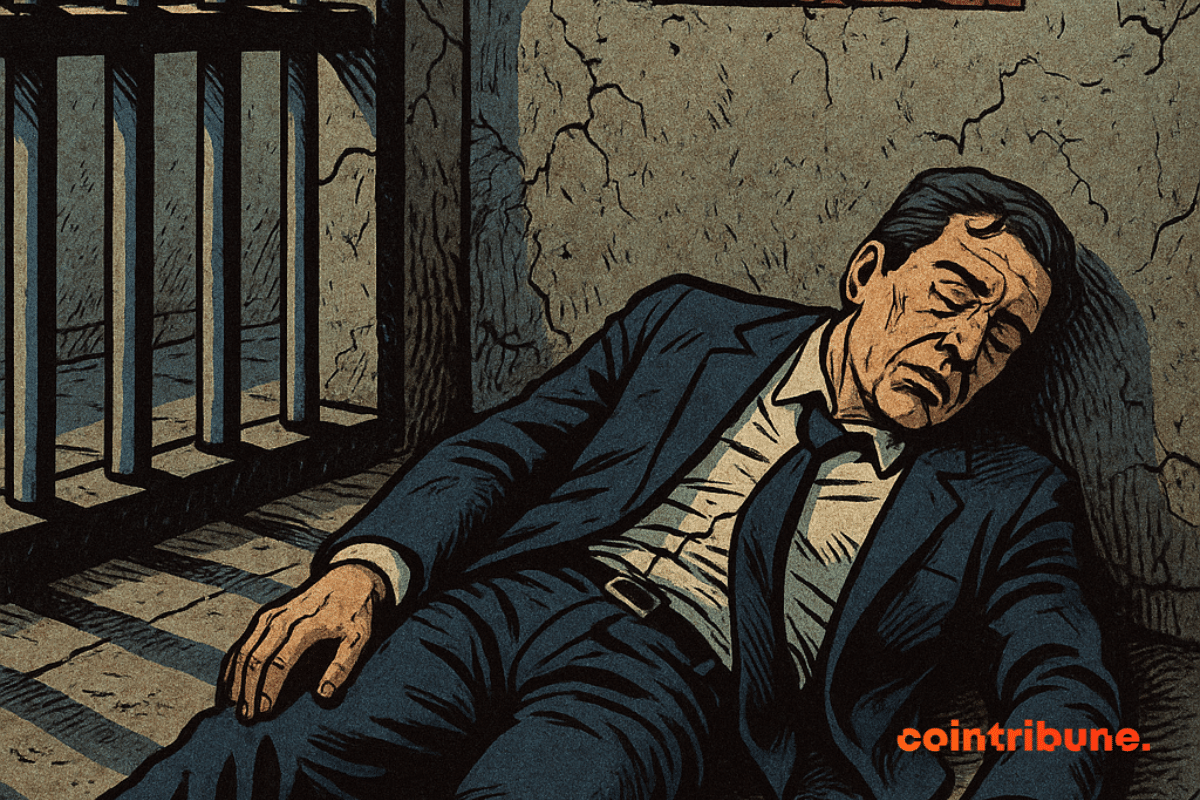
Faruk Fatih Özer, the former CEO of the cryptocurrency exchange Thodex, was discovered deceased in his cell in Tekirdağ. Turkish authorities are currently investigating the circumstances surrounding his death and are leaning towards the hypothesis of suicide. The Thodex exchange collapsed in 2021 following a freeze on withdrawals, after which Özer fled the country. He was subsequently extradited back to Turkey in 2022.
In brief
- •Faruk Fatih Özer, former CEO of the crypto exchange Thodex, was found dead in prison in Tekirdağ; the investigation favors suicide.
- •Thodex, founded in 2017, collapsed in 2021; Özer was extradited then sentenced in 2023 to 11,196 years for fraud.
- •Estimated losses vary from $24 million to $2.6 billion (Chainalysis), reigniting the debate on crypto governance and regulation.
A death that raises questions
The former head of Thodex, Faruk Fatih Özer, was found dead in his cell in Tekirdağ. This information was reported by Turkish public television and relayed by Bloomberg. Initial findings suggest that investigators are favoring the hypothesis of suicide.
The investigation is actively ongoing. Turkish authorities have stated that they currently favor the theory of a voluntary act, though they are not ruling out other potential scenarios. Official communications remain limited, but the events of Özer's final hours in detention are expected to be thoroughly scrutinized.
This death brings an abrupt end to a case that has become a prominent example of the excesses seen in the cryptocurrency sector during its period of rapid growth. It also reopens the discussion regarding the conditions of detention for high-profile convicts in Turkey.
Thodex: From Rapid Rise to Collapse
Özer founded Thodex in 2017. The platform rapidly gained prominence within Turkey before it froze withdrawals in April 2021, ultimately leading to its collapse. Following this, the CEO fled to Albania, from where he was extradited back to Turkey the subsequent year.
In 2023, a Turkish court imposed a severe sentence on him: 11,196 years in prison for fraud and other related offenses. This sentence reflects the gravity of the scandal in the eyes of public opinion and the Turkish legal system, which often aggregates penalties for various charges.
The extent of the financial damage remains a subject of debate. The indictment mentioned approximately $24 million in losses, while some media reports have suggested figures as high as $2 billion. On-chain analysis conducted by Chainalysis estimates the losses to be $2.6 billion, a figure considerably lower than the $75 billion in illicit cryptocurrency transactions reported in other contexts.
Implications for Cryptocurrency Regulation
Özer's death is expected to intensify the ongoing debate surrounding cryptocurrency regulation. In Turkey, where the surge in digital asset adoption has been marked by sensational scandals and an evolving regulatory landscape, the key challenge lies in balancing investor protection with fostering innovation without stifling the local ecosystem.
On an international level, the Thodex case will likely serve as a significant case study. It underscores the critical importance of an exchange's architecture, including its governance, fund segregation, access control mechanisms, and proof-of-reserves audits. These elements are not merely administrative details but form the foundation of trust in the crypto market. Without these essential safeguards, the promise of a 24/7 market can transform into systemic risk. Regulators will be paying close attention to on-chain traceability and the accountability of platform leaders.