


Key Points
- •The European Commission is proposing a reform that would grant the European Securities and Markets Authority (ESMA) direct oversight over crypto-asset service providers across the EU.
- •This shift in regulatory authority could lead to increased compliance costs for crypto service providers.
- •The proposed changes are seen by some as a potential move towards regulatory centralization, reminiscent of past policies in banking supervision.
Proposed Change in EU Crypto Oversight
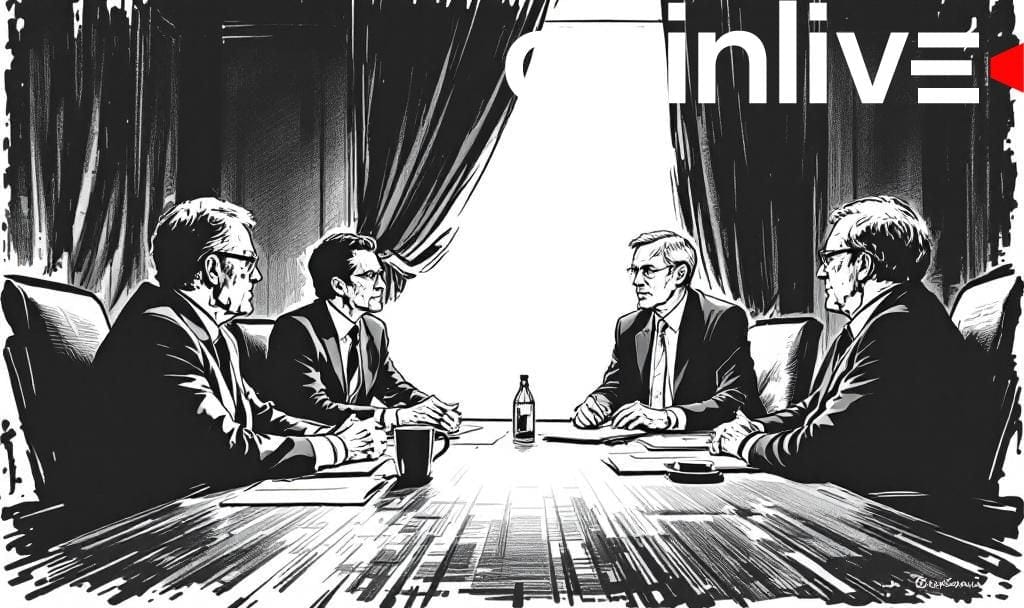
The European Commission is proposing a reform that would give the European Securities and Markets Authority (ESMA) direct oversight over crypto-asset service providers across the EU, challenging existing national regulation regimes.
The reform aims to centralize crypto regulation, impacting market stability and operational dynamics for service providers, while generating concerns about increased compliance costs and regulatory monopolies.
Centralizing Crypto Supervision
The European Commission proposes shifting supervisory authority for crypto-asset service providers to the European Securities and Markets Authority (ESMA). Currently, national regulators supervise these providers. This reform could centralize oversight, marking a significant change in EU crypto regulation.
Key figures like Verena Ross, ESMA Chair, support the reform for efficiency, while some national regulators express concerns about ESMA's power expansion. Ross stated, "Specific new resources had to be built up 27 times, once in each member state." This centralization might align oversight practices by eliminating redundant resources across 27 states.
Impact on Service Providers and Markets
The reform may increase compliance costs for crypto service providers due to stricter regulations and increased oversight. Affected assets include Bitcoin, Ethereum, and stablecoins operating within the EU. Concerns are raised about the potential uncertainty for businesses preparing for compliance.
Financial markets may face changes in trading volumes and cross-border flows as regulatory control centralizes. Political tensions rise, with countries like France supporting the shift, while Luxembourg and Malta raise concerns about regulatory centralization.
Broader Implications and Historical Parallels
The draft reform could reshape the EU crypto market, drawing parallels with past centralizations in banking supervision. It may start a precedent for other sectors, impacting regulations for technology and finance industries.
Historical trends show major regulatory shifts alter market conditions and compliance landscapes. This proposal could replicate those effects, potentially leading to increased investor protection and implementation of harmonized rule sets in the long term.