


In Brief
- •Anthony Sassano and Ben Adams propose increasing Ethereum’s gas limit to 180 million by 2026.
- •The evolution of the gas limit on Ethereum raises debates about balancing increased performance and centralization risks.
- •If successful, the ‘Glamsterdam’ update could make ETH more attractive to investors, developers, and DeFi projects.
Anthony Sassano and the Revolution of the Gas Limit on Ethereum
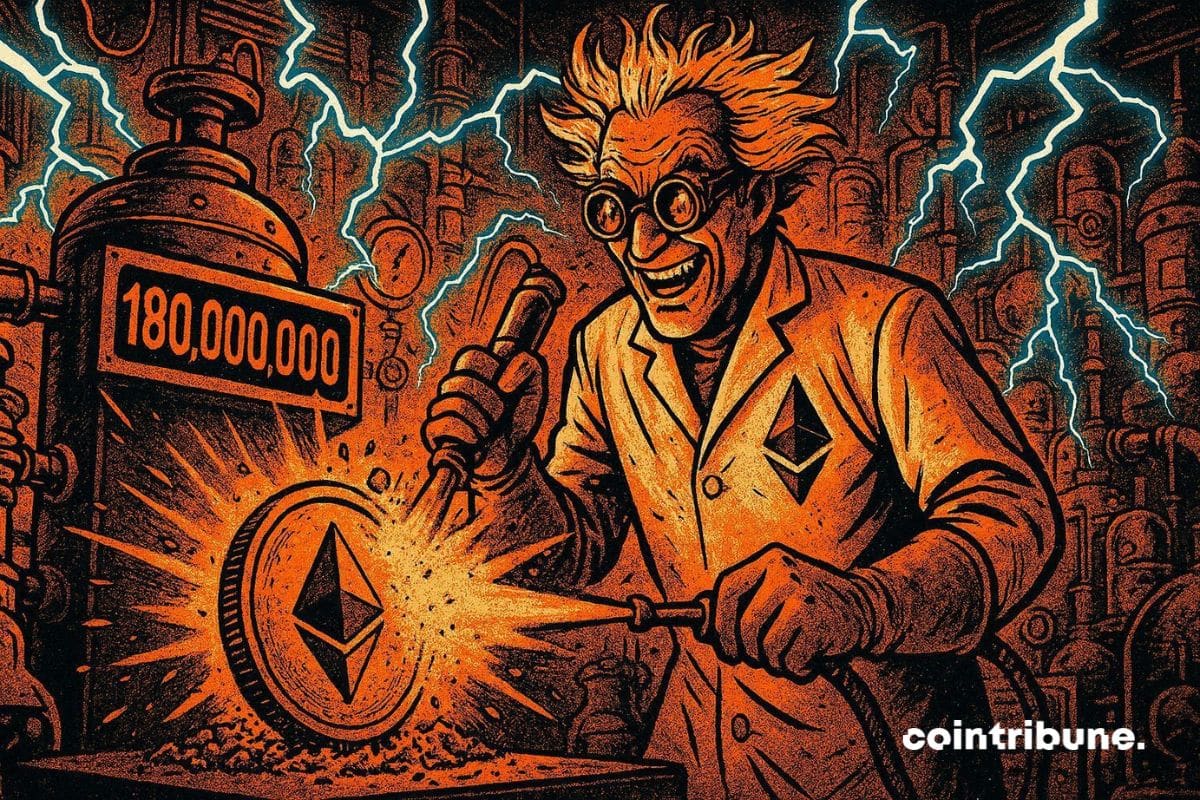
Anthony Sassano, an Ethereum educator and developer, is at the heart of discussions on the network’s evolution. His proposal, co-written with Ben Adams, aims to raise the gas limit to 180 million by 2026, as part of the “Glamsterdam” update. This initiative is part of a desire to reduce transaction fees and improve scalability, a major challenge for crypto.
The gas limit determines the amount of work an Ethereum block can contain. By increasing it, the network can process more transactions, making operations smoother and less costly. Sassano insists: this increase is only a starting point. Developers could go far beyond, radically transforming the user experience.
The community reacts with enthusiasm, but also caution. Some fear increased centralization, while others see it as an opportunity for Ethereum to consolidate its dominance in the crypto universe.
Scalability vs. Centralization: Ethereum’s Invisible Challenge
Tripling the Ethereum gas limit presents obvious advantages: increased throughput, reduced fees, and better accessibility. However, this choice raises questions about network centralization. Too high a limit could favor the most powerful nodes, marginalizing smaller players, contrary to the decentralized spirit of crypto.
Alternative solutions, such as Layer 2 or sharding, are often presented as responses to these challenges. However, Sassano and his supporters believe these technologies can coexist with a more generous gas limit. The goal is to offer immediate scalability without sacrificing long-term decentralization.
Past increase experiences show mixed results. While throughput improves, fees do not always drop proportionally. Experts emphasize the need for a balance between innovation and stability to ensure Ethereum’s sustainability.
ETH: A More Attractive Asset by 2026?
If Ethereum manages to triple or even quintuple its gas limit, ETH could become an even more attractive asset. For investors, this means a more efficient blockchain, capable of competing with rivals like Solana or Cardano. DeFi projects and crypto developers would benefit from a less congested network, stimulating innovation.
Institutions observe these developments with interest. Increased scalability could attract more capital, strengthening Ethereum’s position as a decentralized financial infrastructure. Some analysts even predict a significant price rise for ETH if these improvements materialize.
However, it will all depend on the network’s ability to maintain a balance between performance and decentralization. If Ethereum succeeds in this bet, it could well become the cornerstone of the crypto ecosystem for years to come.
Ethereum is preparing for a major transformation, driven by figures like Anthony Sassano. If the promises come true, ETH could redefine crypto standards. But challenges remain numerous: scalability, centralization, and adoption. The question remains whether this increase will be enough to guarantee Ethereum’s future.