


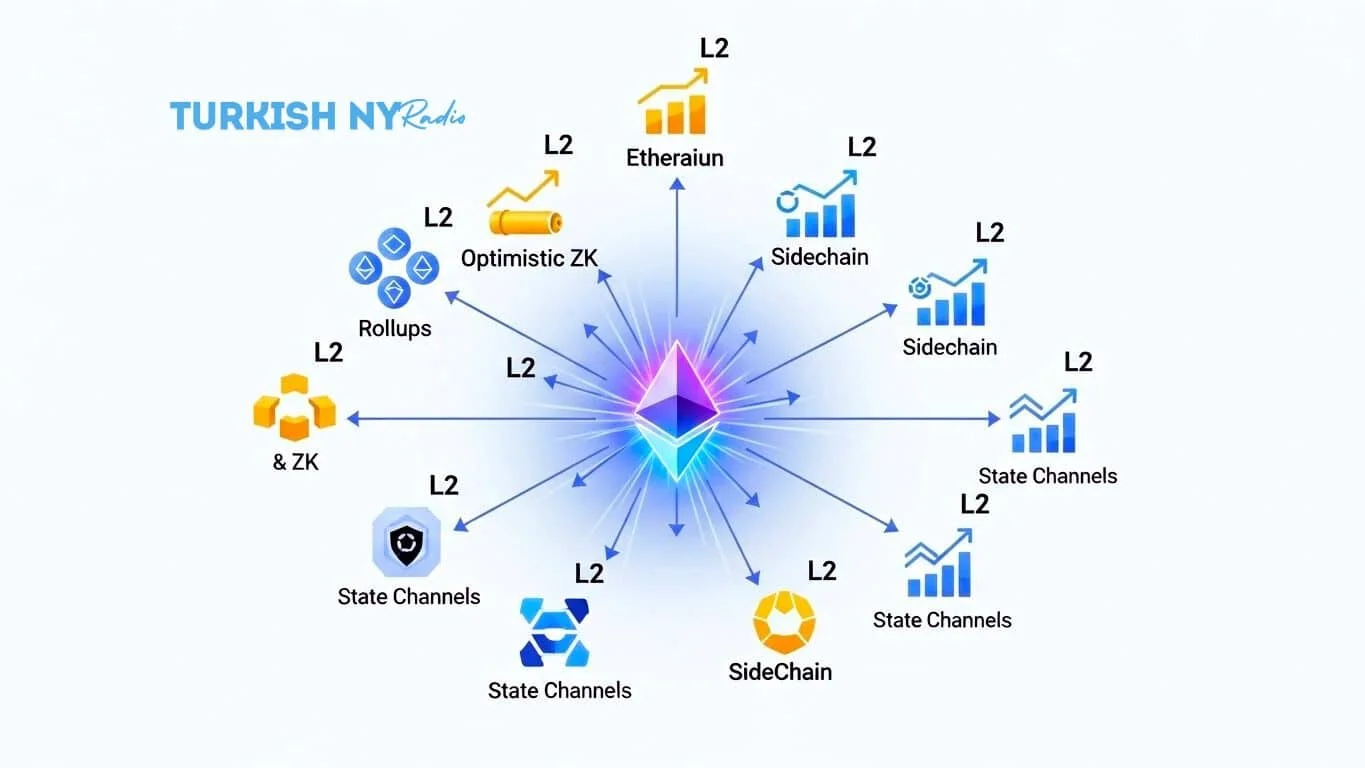
The Fusaka upgrade, Ethereum's second major code overhaul in 2025, has been successfully rolled out. This significant event, activating on December 3, 2025, marks a historic moment for blockchain scalability and Layer-2 (L2) connectivity.
Fusaka introduces the Peer Data Availability Sampling (PeerDAS) system to Ethereum's consensus layer, alongside a suite of Ethereum Improvement Proposals (EIPs). PeerDAS fundamentally changes how validator nodes verify data. Instead of downloading entire "blobs" of data, which can contain numerous files, validators can now check the validity of data by examining just several snippets. These snippets can be gradually added and cross-referenced between different peers, significantly reducing the bandwidth, storage, and computational power required from the network.
This strategic upgrade also contributes to increasing block space, simplifying data availability verification, and preparing Ethereum for the anticipated surge in L2 transaction volume.
Fusaka Upgrade Cuts Fees, Boosts Speed, and Increases Efficiency
PeerDAS revolutionizes how Ethereum validates rollup data. Previously, validators were obligated to download complete blob packages containing L2 transaction data. With the implementation of PeerDAS, validators are now only required to request random slices of the data. This approach drastically reduces resource consumption per node while simultaneously upholding the network's security and decentralization.
In conjunction with these changes, modifications have been made to increase the amount of data capacity by up to eight times compared to the pre-Fusaka era. This substantial increase in capacity significantly boosts throughput for L2 solutions and leads to lower per-transaction data fees.
Fusaka also encompasses the removal of legacy protocol elements, the introduction of new gas and block size limits, and expanded support for cryptographic primitives and developer tools. These enhancements are designed to make Ethereum more secure, faster, and easier for developers to work with.
From an application perspective, L2 rollups and smart-contract platforms will experience lower data-posting costs, faster finality, and increased block capacity. These improvements signal the network's readiness to handle increased stress while maintaining low fees and latency.
What This Means for Validators, Rollups, and Users
Validator Nodes & Smaller Operators: With reduced storage and bandwidth requirements, the barrier to entry for running full nodes is now lower. This development offers a potential pathway to increase decentralization and, consequently, network resilience.
Layer-2 Projects & Users: Reduced posting costs and higher throughput enable L2 networks to operate much more cost-effectively. This can lead to an improved user experience, characterized by smoother interactions and lower execution costs for high-frequency decentralized applications (dApps).
Developers & dApp Builders: Smart-contract developers stand to benefit significantly from the new EIPs and the increased gas and block size limits. These advancements can facilitate the deployment of more complex smart contracts and on-chain logic without the prohibitive costs associated with gas fees or transaction size limitations.
Ethereum Holders and Ecosystem Growth: As Ethereum becomes more scalable and efficient, its role as a settlement layer for numerous rollups is strengthened. This fosters growth, adoption, and the long-term health of the entire Ethereum ecosystem.

Trends, Metrics, and Upgrades on the Horizon
In the coming weeks and months, several key metrics will provide insight into the real-world impact of Fusaka. These include blob-usage ratios, average blob fees, the number of PeerDAS-enabled nodes, L2 transaction volume, and trends in latency and gas prices.
The developer community is also eagerly anticipating the next major upgrade, Glamsterdam, scheduled for 2026. Glamsterdam aims to further advance Ethereum's high throughput capabilities and introduce parallel transaction processing, continuing the network's ongoing transformation and growth.
If the latest upgrade is deployed smoothly and adoption across rollups continues to grow, Ethereum is well-positioned to regain upward momentum, particularly as sentiment in the broader market improves.
Summary
The Fusaka update specifically enhances Ethereum's scalability through PeerDAS, enabling validators to verify smaller data chunks instead of entire blobs. This reduction in resource consumption lowers gas fees and facilitates higher Layer-2 transaction throughput. Additional enhancements improve block size, protocol efficiency, and cryptographic capabilities. The Fusaka upgrade, by easing the network load and improving validator accessibility, further solidifies Ethereum's infrastructure and prepares it for future optimizations like Glamsterdam.
Glossary of Key Terms
PeerDAS (Peer Data Availability Sampling): This system assists validators in checking small data samples rather than entire blobs, contributing to bandwidth and memory savings while preserving security.
Layer-2 (L2) Networks: These are scaling solutions that process transactions off the main Ethereum chain, returning hash pointers to Ethereum with compressed data. This approach reduces costs and increases throughput.
Blobs: Large packets of data from Layer-2 solutions submitted to Ethereum for settlement. Fusaka introduces a more efficient method for handling blobs to decrease congestion and validation costs.
Gas Fees: The fee paid to execute transactions or smart contracts on Ethereum. Network demand and efficiency improvements, such as those from Fusaka, can influence gas fees.
Consensus Layer: This aspect of Ethereum is responsible for checking and confirming transactions, providing blockchain security through proof-of-stake protocols.
Glamsterdam Upgrade: The next Ethereum upgrade following Fusaka, Glamsterdam, is expected to further increase throughput and continue progress toward scaling high-performance blockchains.
Frequently Asked Questions About Fusaka Upgrade
What is the Fusaka update of Ethereum?
The Fusaka upgrade introduces PeerDAS to refine data confirmation, reduce network traffic, and decrease gas fees, while also optimizing Layer-2 scaling performance across Ethereum.
How has the Fusaka Hard Fork helped Layer-2 users?
It improves data availability, reduces transaction submission costs, enables faster settlement, and enhances the end-user experience for dApps as rollups continue to grow in activity and adoption.
Can Fusaka help make validators more efficient and accessible?
Yes, validators now work with small data amounts instead of full blobs, which reduces hardware requirements, decreases bandwidth, and makes running a node more accessible for smaller operators.
What’s next after Fusaka on Ethereum?
The developers are working on the Glamsterdam upgrade, which will focus on increasing throughput and incorporating more scalability features to accommodate the network's growing demand.