
Navigating Crypto News

CoinFeather
Navigating Crypto News
Quick market read from this story
SpaceX's confirmation of an upcoming IPO, potentially raising billions, signals significant growth and future investment in its Starlink and AI initiatives, which could indirectly influence crypto markets through associated ventures.
The potential IPO of SpaceX, coupled with Elon Musk's historical promotion of Dogecoin and past plans for DOGE-funded missions, creates speculative interest in DOGE, though direct financial impact remains unconfirmed.
While SpaceX's IPO is a major event for traditional finance and space tech, its direct impact on cryptocurrency prices is likely to be sentiment-driven and speculative, particularly for DOGE, rather than based on fundamental integration.
Deep Dive
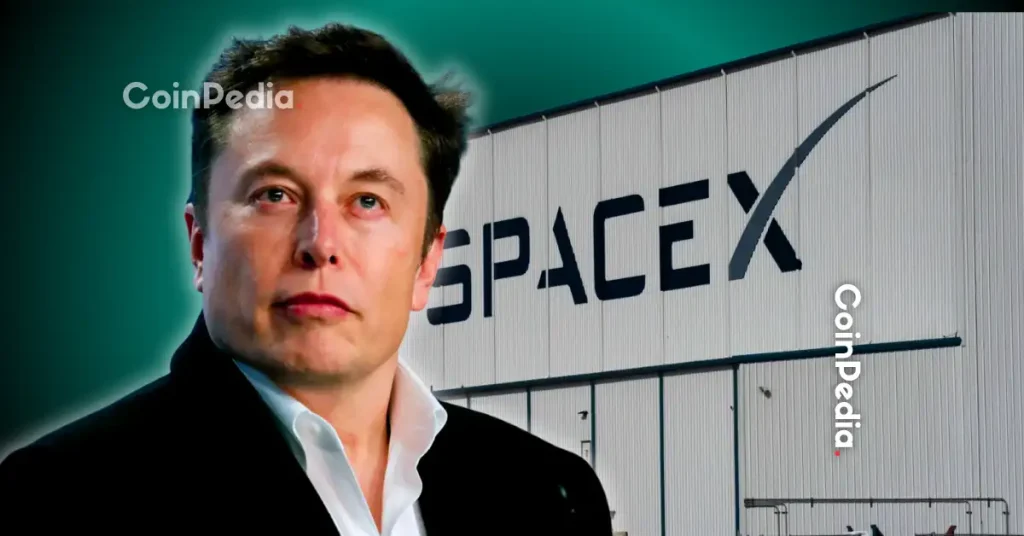
SpaceX founder Elon Musk has confirmed the company is moving towards a major Initial Public Offering (IPO), with plans to raise billions to fund its ambitious space and satellite internet ventures. This confirmation follows speculation from space journalist Eric Berger, to which Musk responded, "As usual, Eric is accurate." The IPO is anticipated to be filed with regulators soon, potentially raising over $75 billion, with individual investor participation possibly exceeding 20%.
Current valuations place SpaceX at over $800 billion, with projections suggesting it could reach $1.75 trillion depending on market conditions. Analysts are targeting a mid-to-late 2026 timeframe for the IPO, though it could extend into 2027. This move towards a public listing comes after years of SpaceX operating as one of the world's most valuable private companies.
The primary driver behind the IPO excitement is the significant growth of Starlink, SpaceX's satellite internet service. Revenue from Starlink is projected to increase from $15 billion in 2025 to between $22 billion and $24 billion in 2026. The proceeds from the IPO are intended to support major projects, including the development of space-based data centers and the acquisition of AI chips. Musk's vision is expected to attract both institutional investors and retail followers who have historically had limited access to such private company investments.
The impending IPO has also sparked discussions among crypto investors regarding its potential impact on Dogecoin (DOGE). Elon Musk has a well-documented history of promoting DOGE and associating it with his space ventures. SpaceX previously announced plans for a Dogecoin-funded satellite mission, DOGE-1, and Musk has frequently alluded to DOGE-related milestones. In February, Musk reignited speculation about a Dogecoin mission to the moon, responding to a resurfaced 2021 post with "Maybe next year." SpaceX has also accepted DOGE payments for select merchandise in the past.
While the exact Dogecoin holdings of Musk or SpaceX are not publicly known, data from Arkham Intelligence indicates that SpaceX holds an estimated 8,285 BTC, valued at approximately $584 million. Tesla, another Musk-linked company, reportedly holds about 11,509 BTC, highlighting continued cryptocurrency exposure across his enterprises.
Source, catalyst, and sector overlap from the latest feed.
Despite a significant price drop from its ATH, Worldcoin's underlying development activity and 'whale' accumulation suggest potential for a strong recovery, indicating smart money views current levels as a high-conviction entry point. The article presents long-term price predictions for WLD, with forecasts suggesting potential highs of $35.60 by 2030, driven by its focus on decentralized identity and AI integration. Investor sentiment remains cautious, with WLD needing to overcome key resistance levels around $0.40 and $1.50 to initiate a sustained upward trend, highlighting near-term price sensitivity to market conditions.
Polkadot's Layer-0 architecture and interoperability focus position it as a long-term infrastructure play, with potential for significant upside by 2030 driven by adoption of Polkadot 2.0 and tokenomic changes. The launch of the first Polkadot U.S. ETF on Nasdaq provides a regulated investment avenue, potentially increasing institutional interest and liquidity for DOT, though current active addresses show a struggle for retail momentum. Despite recent price lows and accumulation phases, the article presents optimistic long-term price predictions for DOT, ranging from $25-$60 by 2030, contingent on successful ecosystem growth and market recovery.
The high rate of losses on Pump.fun, with over 96% of traders making less than $500 or losing money, highlights the extreme risk and speculative nature of memecoin launchpads. While Pump.fun has generated significant revenue, the data suggests a concentration of profits among a small percentage of wallets, potentially indicating insider advantages or the inherent difficulty for retail traders to profit. Recent platform changes like Creator Fee Sharing and Trader Cashback indicate Pump.fun's awareness of incentive misalignments and attempts to improve trader outcomes, though the structural challenges of low-liquidity tokens persist. The data underscores the importance of distinguishing between platform economics and individual trader profitability, as platforms can profit from volume even when the majority of users experience losses.
Gold prices experienced a significant 4% surge, driven by easing US-Iran tensions and a weaker dollar, which increased safe-haven demand and rate cut expectations. While the rally is attributed to geopolitical de-escalation and technical retests of support levels, some analysts caution it could be a liquidity trap due to a lack of structural confirmation. The short-term price action hinges on gold holding the $4,600-$4,620 resistance zone; a failure to do so could lead to a pullback, while a sustained breakout targets $4,700-$4,800. The article highlights gold's continued role as a hedge against uncertainty, even amidst high volatility, with a long-term structural shift noted against the S&P 500.
Institutional investor Bitmine's significant ETH accumulation during a market pullback signals strong conviction in an impending recovery, suggesting a potential shift from large-cap assets to early-stage presale opportunities. The article highlights Pepeto as a key presale opportunity, leveraging the co-founder's past success with Pepe and aiming for a Binance listing, positioning it as a high-potential alternative to established assets like BNB and ADA for capturing recovery multiples. While Bitmine's ETH purchases indicate a potential end to the 'mini crypto winter,' the focus on presale tokens like Pepeto suggests a market strategy prioritizing asymmetric upside over the more modest gains expected from larger, established cryptocurrencies.
Pharma firm Enlivex secured $21M in debt financing to acquire a substantial amount of RAIN tokens, signaling a strategic move to bolster its treasury with digital assets from a growing prediction market platform. The acquisition of RAIN tokens at a significant discount, coupled with an extended option to purchase more, suggests Enlivex is positioning itself to benefit from the projected growth in the prediction market sector. While Enlivex's stock and RAIN token showed minimal price movement post-announcement, the substantial capital raise and token acquisition could serve as a longer-term catalyst for both entities if the prediction market trend continues.
Institutional accumulation of BTC during periods of market fear signals underlying strength and potential bottom formation, contrasting with retail investor hesitancy. The presale of Pepeto, backed by a co-founder of a previous $11 billion project, presents a high-risk, high-reward opportunity targeting significant multiples based on its utility and upcoming exchange listing. While Strategy's continued BTC accumulation provides a bullish signal for the market leader, the focus shifts to early-stage presales like Pepeto for potentially outsized returns, albeit with substantially higher risk.
The filing of multiple competing ETFs for Hyperliquid's HYPE token by major asset managers indicates institutional interest, but suggests that the early retail entry window for significant gains has likely closed. The article promotes Pepeto as a superior investment opportunity compared to assets being packaged for institutional ETFs, highlighting its presale pricing, working exchange, and experienced co-founder as key differentiators for retail investors. While Digitap and Mutuum Finance are presented as alternative investments, their projected return profiles are deemed less explosive than Pepeto's, positioning Pepeto as the primary 'best crypto to invest in' before its listing.
Michael Saylor's MicroStrategy is initiating a significant $44.1 billion capital raise, signaling an aggressive accumulation phase for Bitcoin and potentially increasing demand for BTC. The planned capital raise, split between equity and debt, aims to boost MicroStrategy's Bitcoin holdings towards one million BTC, positioning it as the largest public holder and potentially influencing market sentiment and BTC price action. Despite recent equity issuances and a drawdown on its current portfolio, MicroStrategy's Bitcoin efficiency per share has increased, suggesting a continued strategic focus on BTC accumulation despite market volatility.
Rising futures open interest suggests increased leverage in the Bitcoin market, potentially increasing volatility around the $72,000 resistance level. Ether and altcoins, particularly DeFi and AI tokens, are showing stronger bullish positioning than Bitcoin, indicating a potential rotation or broader altcoin season. Declining implied volatility and weakening put skew suggest a reduction in perceived geopolitical risk, despite ongoing macro concerns, which could support risk assets. The market is positioning for a potential move towards $75,000 by Friday's expiry, but the repeated rejections at $72,000 indicate significant overhead resistance.
Shiba Inu has broken a two-month descending trend line, signaling a potential shift in market structure that could attract renewed trader interest. Despite the breakout, indicators like RSI and Stochastic RSI suggest a potential short-term pullback or consolidation is likely before sustained upward momentum. A retest of the $0.000055 support level is critical; if defended, it could pave the way for a move towards the $0.000065 target, a zone with significant liquidity. On-chain data shows $4.8 million in net positive inflows to exchanges, indicating accumulation activity and supporting the bullish case for SHIB.
Shiba Inu is experiencing steady holder growth with an increase of 8,500 to 12,000 new wallets monthly, indicating sustained retail interest despite broader market fluctuations. A significant 633% surge in SHIB burns, coupled with a decline in exchange holdings, suggests a potential reduction in circulating supply and accumulation by long-term holders. SHIB has demonstrated resilience by maintaining recent gains of 9.25% for the week, outperforming a generally red market, which could signal underlying strength or speculative interest.
Live Feed
Loading the broader stream in the same flow as the homepage feed.

STS Digital's launch of a structured crypto platform, backed by Kraken as a distribution partner, signals a growing trend of traditional finance seeking more sophisticated derivative products beyond basic spot and staking. The platform's focus on banks, family offices, and HNWIs, covering 400 tokens, indicates an increasing institutional appetite for tailored hedging and yield generation strategies in the digital asset space. Kraken's integration of STS's derivatives expertise into its own products, like Dual Investment, highlights a strategic move to enhance its offerings and cater to institutional demand for complex financial instruments.
Gold's sharp rebound to $4,600 is driven by easing US-Iran tensions and a weaker dollar, signaling a potential shift in safe-haven demand. The confluence of reduced inflation fears and expectations of potential interest rate cuts creates a supportive environment for gold, though market sensitivity remains high. Traders should monitor the $4,600 resistance level; a failure to break through could lead to a pullback towards $4,500, while a sustained breakout may target $4,700-$4,800.
Take a closer look at Monero halving dates, its smooth emission curve, and how it compares to Bitcoin’s supply model.

Bitcoin is demonstrating significant outperformance against gold, with the BTC to gold ratio rising 30% since late February, indicating a potential shift in investor preference towards digital assets during periods of geopolitical uncertainty. Gold's longest losing streak in a century, coupled with substantial outflows from gold ETFs, contrasts sharply with inflows into Bitcoin ETFs, suggesting a rotation of capital from traditional safe-haven assets to Bitcoin. Historical market cycles show gold leading rallies before bitcoin catches up; however, current data suggests bitcoin may be decoupling from this pattern, potentially signaling a new phase where it leads or maintains parity with gold's performance. The narrative of Bitcoin as 'digital gold' is gaining traction as it outperforms traditional gold amidst market volatility and geopolitical tensions, potentially supporting a new all-time high for the BTC to gold ratio in the coming months.
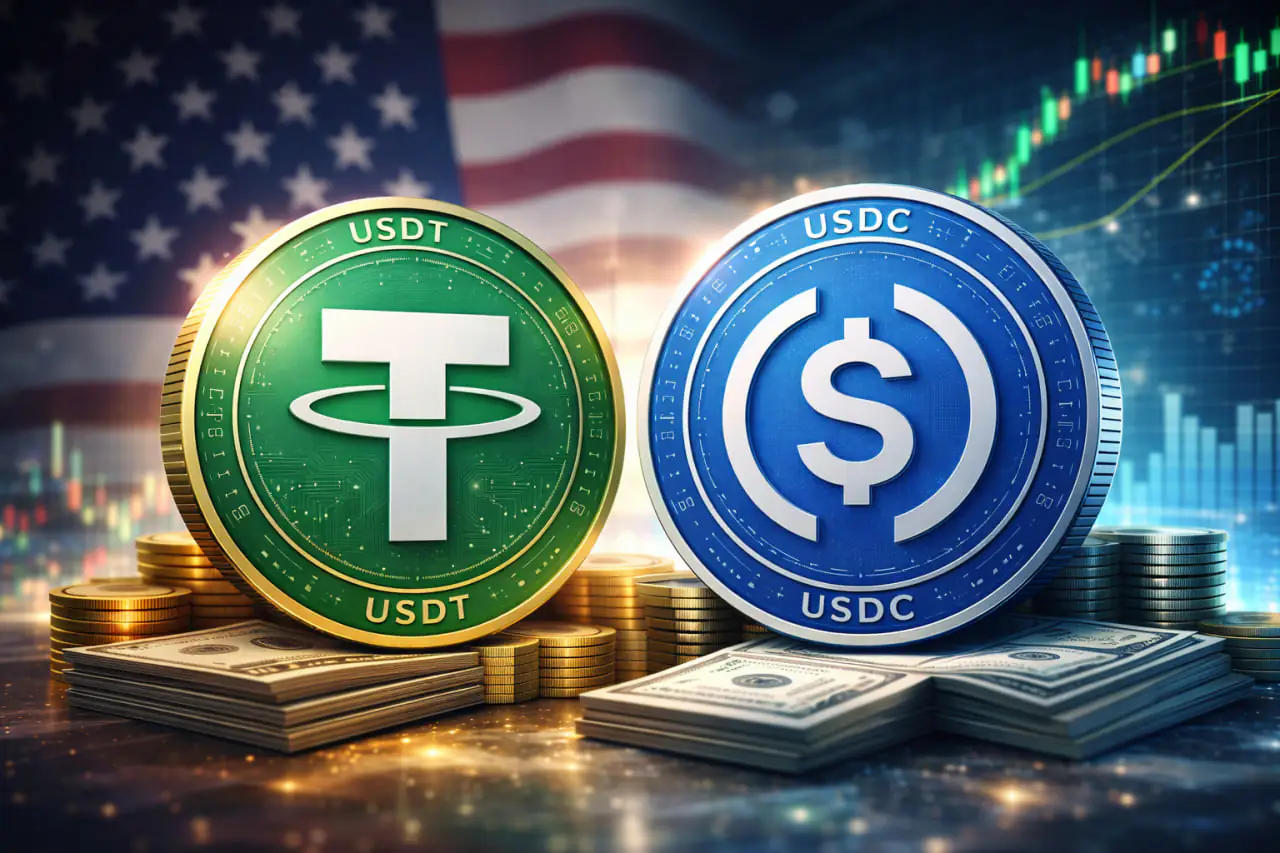
Leaked CLARITY Act text proposing a ban on stablecoin yield, if enacted, could fundamentally alter the incentive structure for holding stablecoins, potentially impacting their utility as a primary liquidity layer in crypto. Tether's announcement of a full independent audit by a Big Four firm signals a proactive response to mounting regulatory pressure, aiming to enhance transparency and potentially preempt stricter oversight. The market reaction, evidenced by Circle's stock drop, indicates that regulatory developments concerning stablecoin yield and transparency are being priced in, highlighting the sensitivity of the sector to policy changes. The dual developments of potential regulatory restrictions on yield and increased audit standards suggest a maturing stablecoin market that is being forced to adapt to traditional financial system expectations.

Bhutan's continued offloading of Bitcoin, totaling over $120 million in March, suggests a potential shift in sovereign treasury strategy or a need for liquidity, impacting market sentiment around large holder movements. The ongoing reduction in Bhutan's Bitcoin holdings, now significantly below October 2024 levels, indicates a decrease in its sovereign BTC reserves, which could be interpreted as a bearish signal for short-term price action if the trend continues. Despite recent sales, Bhutan's long-term strategy involving Bitcoin mining and its planned use for the Gelephu Mindfulness City project highlights a continued, albeit evolving, integration of digital assets into national development plans.

Charles Hoskinson's call for increased community usage of the Cardano chain signals a focus on driving organic adoption and developer activity beyond price speculation. While Cardano's DeFi TVL has reached a new high, the founder's emphasis on active network participation suggests a strategy to bolster fundamental utility and ecosystem growth. The current price volatility and recent drop in ADA's market cap highlight the ongoing challenges in translating ecosystem development into sustained positive price action.

Tether's engagement of a Big Four firm for a full audit addresses a long-standing criticism and aims to enhance institutional trust as market infrastructure evolves towards 24/7 operations. The move signals Tether's strategic intent to qualify for integration into emerging tokenized financial ecosystems, where reserve quality and auditability are becoming critical differentiators. While the audit is a positive step, its successful completion and transparency will be key to USDT's relevance in a market increasingly demanding robust due diligence for settlement-grade stablecoins. The development suggests a potential shift for USDT from a crypto-native liquidity tool towards a more regulated financial instrument, driven by institutional demand and evolving market plumbing.

Bitcoin whale activity has fallen to multi-year lows, indicating a market-wide pause where large holders are neither accumulating nor distributing, suggesting a lack of conviction and reliance on external triggers for the next major move. Deteriorating on-chain supply-demand dynamics and negative Bitcoin ETF flows signal caution, suggesting that short-term price rebounds may act as bull traps rather than genuine reversals until liquidity conditions improve. A historical cross-asset analysis comparing Bitcoin to silver's price cycles suggests a potential for significant upside (414%) if Bitcoin holds above the $70,000 level, presenting a bullish macro signal against current cautious on-chain data. The $70,000 price level for Bitcoin is identified as a critical juncture where conflicting signals from on-chain data, ETF flows, and historical cross-asset patterns will be tested, determining whether the bullish macro setup is confirmed or delayed.
HDFC Bank's stock price is reacting positively to the proactive appointment of external law firms to investigate the chairman's resignation, signaling a commitment to addressing governance concerns and potentially restoring investor confidence. The bank's move to hire independent legal counsel for a fact-based assessment of the chairman's departure, despite the resignation letter not detailing specific issues, suggests a serious effort to ensure robust governance standards. While the immediate stock price shows a recovery, the ongoing investigation into governance and ethics issues remains a key factor to monitor for sustained investor sentiment and potential future regulatory implications.

The Ethereum Foundation's updated L1/L2 classification clarifies L1's role as the core settlement and DeFi hub, while L2s are now positioned for specialized services and customized features, signaling a maturation of the ecosystem's architecture. The announcement of the public post-quantum resource website and the ongoing discussion around EIP-8141 highlight Ethereum's proactive approach to long-term security, particularly against quantum computing threats, which could impact future network upgrades and asset security. The potential inclusion of EIP-8141 in the Hegota upgrade, aimed at migrating execution layer signatures to quantum-resistant methods, is a critical step for Ethereum's post-quantum readiness, addressing a key vulnerability for user transactions.
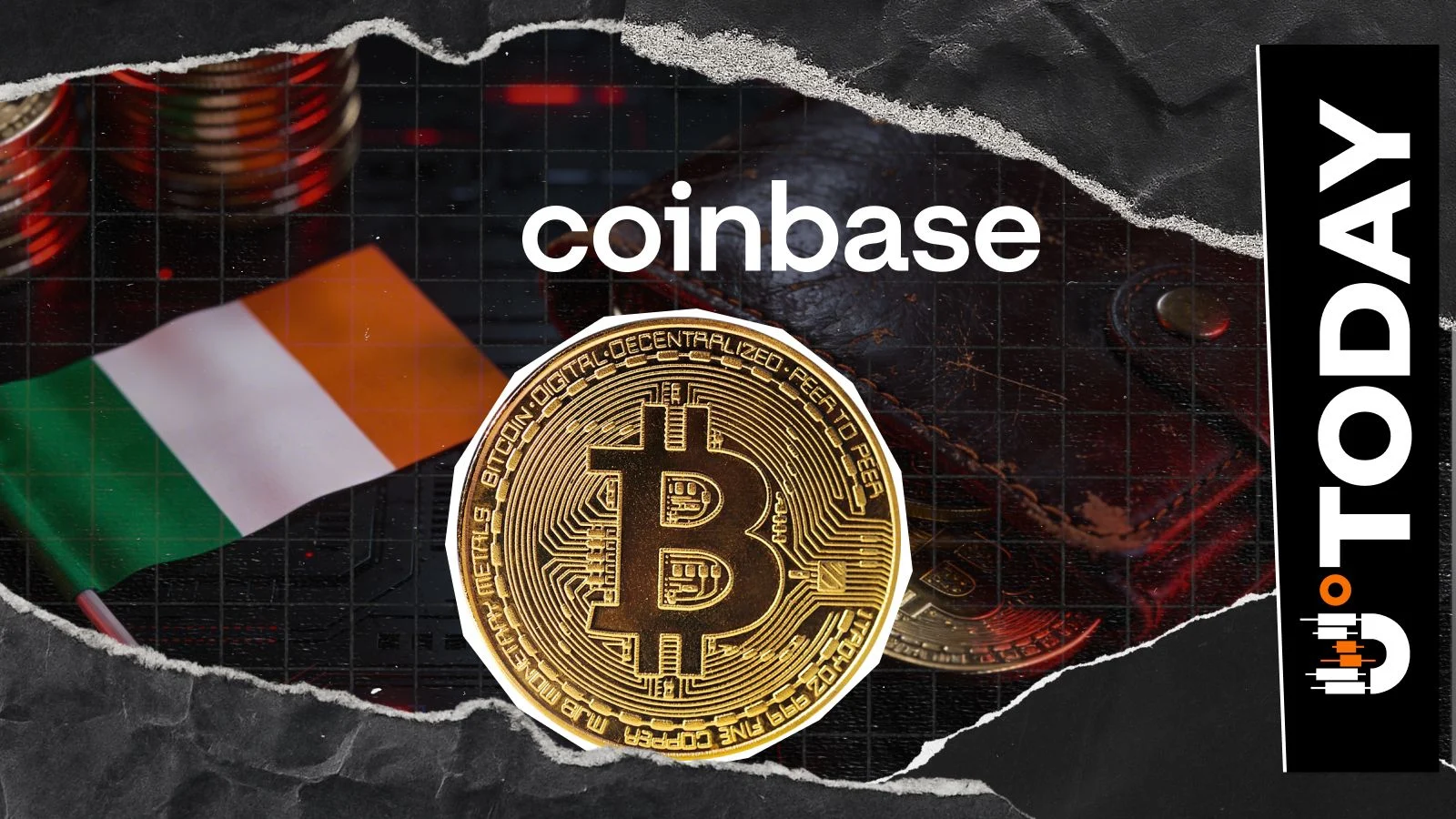
The unexpected movement of 500 BTC from a decade-old criminal wallet to Coinbase suggests a potential recovery of lost private keys, raising questions about the legality and origin of the funds. This event highlights the long-term risks and potential for dormant assets to re-enter circulation, impacting market dynamics if significant amounts of previously 'lost' Bitcoin are accessed. Authorities and the Criminal Assets Bureau will likely scrutinize the transaction, potentially leading to regulatory action or investigations into the source of the recovered Bitcoin.
Fed officials, including Chicago Fed President Austan Goolsbee, are signaling a cautious stance on interest rate cuts due to persistent inflation, exacerbated by rising energy prices. The market's expectation for earlier Fed rate cuts is being tempered by these comments, suggesting a 'higher for longer' interest rate environment which could pressure risk assets. The shift in inflation drivers from domestic demand to external energy price shocks complicates the Fed's path to its 2% target, potentially delaying any easing cycle.

The update allows one fee redirect per token, after which settings are permanently locked to prevent repeated post-launch changes.
Hopes of a US-Iran ceasefire are driving down crude oil prices, which could alleviate supply concerns and positively impact energy-related equities like HPCL. Despite recent gains, HPCL's stock has experienced significant losses over the past month due to Middle East tensions, suggesting that a sustained de-escalation is needed for a full recovery. The conflicting reports regarding direct negotiations between the US and Iran introduce uncertainty, making the market's reaction to potential de-escalation events volatile.
Signal context only. Validate with price action, liquidity, and risk limits before taking a position.
