
Navigating Crypto News

CoinFeather
Navigating Crypto News
Quick market read from this story
Dogecoin's price is consolidating in a tight range between $0.088 and $0.100, indicating market indecision and a lack of strong directional momentum.
The failed breakout above the falling wedge pattern suggests that short-term bearish sentiment persists, with sellers controlling price action near resistance levels.
A decisive move above $0.100 could signal a bullish reversal, while a breakdown below $0.088 risks further downside, making these levels key for traders to monitor.
Source, catalyst, and sector overlap from the latest feed.
Geopolitical tensions surrounding Iran's deadline and potential Strait of Hormuz disruption are driving significant market fear, evidenced by a sharp decline in major stock indices and a surge in oil prices. The market's reaction to the Iran deadline highlights a heightened sensitivity to supply chain risks, particularly in energy markets, which could indirectly impact inflation and broader economic sentiment. Despite broad market weakness, specific sectors like AI continue to show resilience, indicating that targeted growth narratives can outperform general market sentiment during periods of geopolitical stress. The uncertainty surrounding the Iran deadline creates a volatile trading environment where rapid shifts in sentiment are likely, making short-term directional plays challenging without clear de-escalation signals.
Live Feed
Loading the broader stream in the same flow as the homepage feed.

Renewed institutional inflows into Bitcoin ETFs, totaling $471 million in a single day, signal a resurgence of confidence and demand following a period of outflows. The significant inflow, particularly led by BlackRock's ETF, suggests that institutional investors are actively increasing their exposure to Bitcoin, potentially supporting price momentum. This development indicates a potential shift in institutional sentiment, moving from caution to renewed conviction in Bitcoin as a viable investment asset.

Binance CEO Richard Teng highlights a significant shift with long-term Bitcoin holders entering an accumulation phase, signaling a potential bottoming out of supply distribution and a bullish fundamental indicator. Spot Bitcoin ETFs experienced substantial net inflows of $471.3 million on April 6, indicating continued institutional demand despite short-term price volatility and a "negative gamma pocket" between $65,000 and $70,000. The data suggests that despite potential near-term downside risks due to thin support levels, institutional investors are actively buying Bitcoin during price dips, viewing current levels as an aggressive accumulation opportunity.

Despite $3.4 billion in aggressive buying on Binance, Ethereum's price remains below its 50-day SMA, indicating that significant retail accumulation has not yet translated into a sustained upward price movement. High withdrawal transaction counts from Binance, coupled with low average volume per transaction, suggest retail investor activity rather than large whale accumulation, which is a key factor limiting price breakout potential. The upcoming Iran deadline presents a binary risk/reward scenario for ETH; a de-escalation could remove geopolitical pressure and allow the existing demand to drive price higher, while escalation would likely test current support levels. The divergence between strong on-chain buying data and a stagnant price suggests that substantial liquidity exists between $2,100-$2,160, requiring either a macro catalyst or a shift to large-capital whale conviction to overcome resistance.

CME Group's expansion into AVAX and SUI futures signifies growing institutional demand for regulated derivatives on a wider range of altcoins, potentially increasing liquidity and price discovery for these assets. The transition to a 24-hour trading schedule for crypto derivatives by CME Group, driven by record volumes, indicates a maturing market infrastructure and increased accessibility for institutional participants. By offering futures on a broader crypto basket, CME Group is solidifying its position as a key institutional gateway, potentially reducing the perceived risk for traditional finance players engaging with digital assets.

The crypto market experienced a significant downturn, with total market cap dropping by approximately $136 billion due to Bitcoin's failure to maintain the $88,000 support level. Mass liquidations of leveraged long positions, totaling nearly $381 million, exacerbated the sell-off, highlighting the heightened volatility driven by leverage in the crypto market. Analysts suggest the current market correction is comparable to past pullbacks, indicating a potential for consolidation and gradual recovery rather than an immediate prolonged bear market. The Bitcoin mining sector faces increased pressure from rising operational costs, with average production expenses nearing $74,600 per BTC, potentially impacting miner selling behavior.

XRP is exhibiting capitulation behavior with long-term holders realizing significant daily losses, indicating selling pressure driven by risk reduction rather than profit-taking. Despite positive developments in Ripple's legal standing and business expansion, XRP's price action is characterized by a fragile structure due to underwater buyers and defensive leveraged traders, preventing durable recoveries. While spot markets show continued demand, the negative sentiment in XRP's derivatives market and recent ETF outflows suggest a lack of conviction for a near-term trend reversal, keeping the asset in a state of suspension.

BlockDAG's presale at $0.000016 continues, positioning for future exchange listings and ecosystem development including a DEX and lending protocols. Solana's network activity in DeFi and NFTs remains a key indicator for its price outlook, influenced by adoption and market volatility. BNB's price is tied to Binance ecosystem usage and its token burn mechanism, reflecting broader market sentiment and economic conditions. The article highlights a new project, BlockDAG, in its presale phase, contrasting it with established Layer-1s like Solana and BNB, suggesting potential for early-stage investment opportunities.

Michael Saylor continues to position MicroStrategy's Bitcoin holdings and STRC preferred stock as a 'safe haven' asset, despite a significant unrealized Q1 loss of $14.46 billion, highlighting a narrative focused on long-term value preservation. The company's strategy of using preferred stock (STRC) to acquire more Bitcoin without immediate common share dilution is reinforced, suggesting continued accumulation despite market fluctuations and accounting losses. Despite a substantial paper loss, MicroStrategy's stock (MSTR) saw a 6.6% increase post-report, indicating investor confidence in Saylor's strategy and the potential for tax benefits from the unrealized loss to improve the company's financial position.
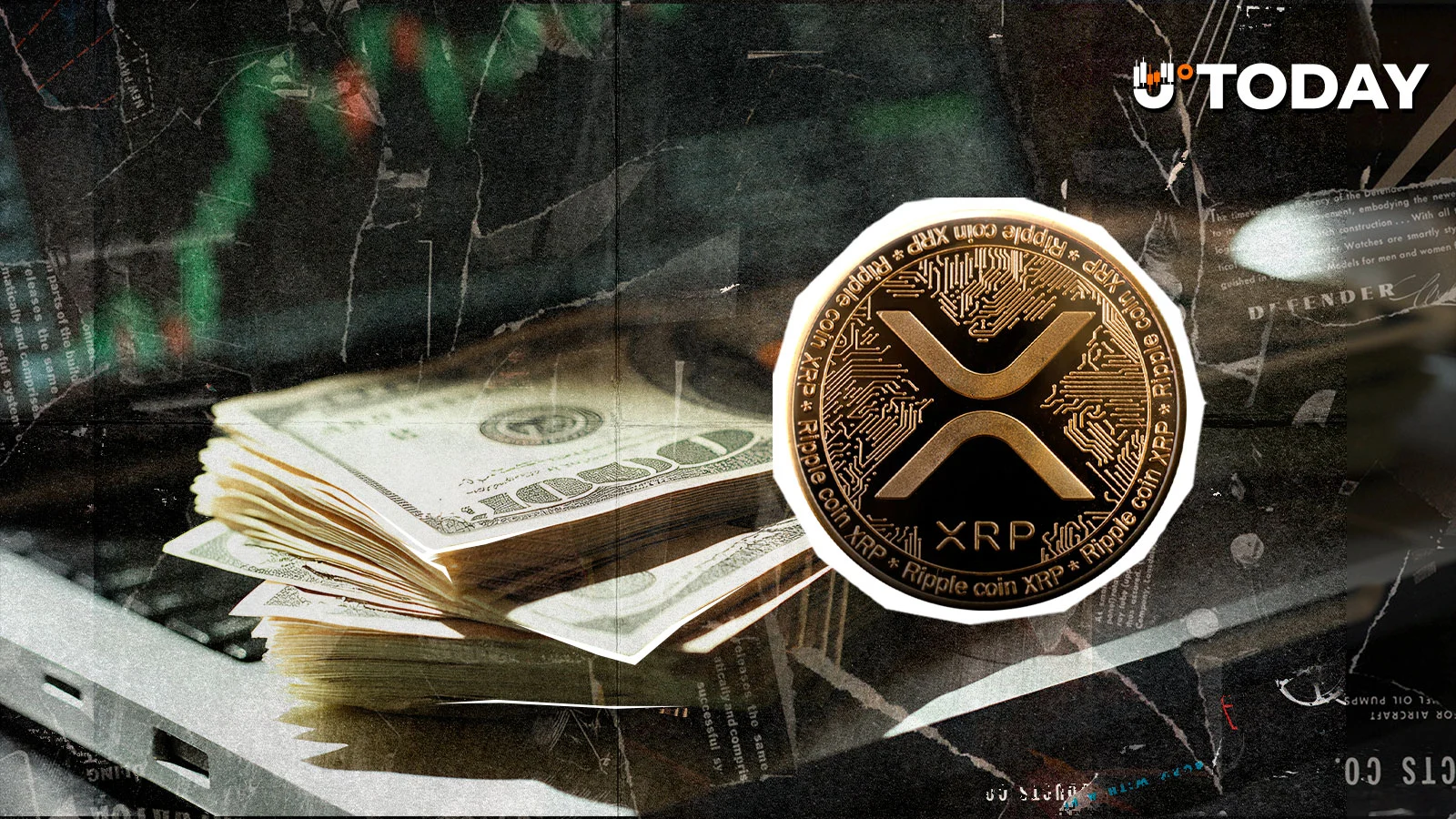
Institutional investors allocated $119.6 million to XRP last week, representing over 53% of total crypto fund inflows, signaling a strong preference for the asset amidst broader market recovery. Despite recent monthly outflows, the significant weekly inflow into XRP, outpacing Bitcoin and Solana, suggests a potential positive catalyst for its price and a shift in institutional sentiment. The substantial inflow into XRP funds, coupled with recent spot Bitcoin ETF inflows, indicates a broader return of institutional capital to the crypto market, potentially signaling a near-term rebound.
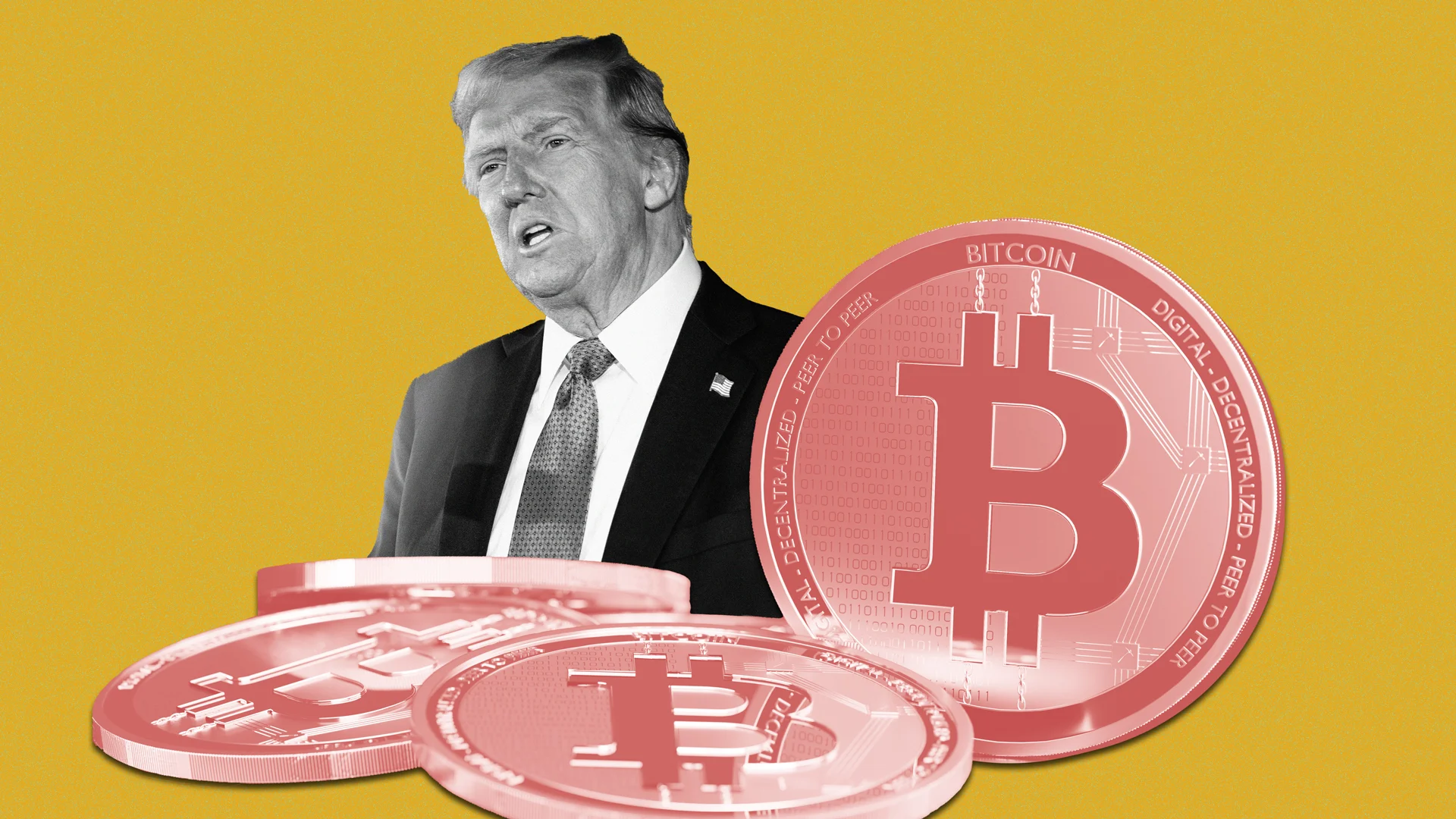
Geopolitical tensions are driving a broad crypto market sell-off, with the total market cap down 2.05% and significant liquidations occurring, primarily impacting long positions. Bitcoin and Ethereum are experiencing declines, with altcoins showing more pronounced losses, indicating a market-wide risk-off sentiment driven by escalating Middle East conflict fears. While short-term price action is negative due to geopolitical headlines, some technical indicators suggest that the market may be in a late-stage fear phase, potentially limiting further downside if the conflict does not escalate beyond current expectations. A disruption in the Strait of Hormuz could lead to higher energy prices and inflation, creating macro headwinds for risk assets like crypto by delaying potential monetary policy easing.

DeFi yields have collapsed below TradFi rates, forcing investors to face higher smart contract risks for lower returns as regulation and exploits mount.

Shiba Inu will be integrated into Rakuten Wallet alongside other top digital currencies.
Signal context only. Validate with price action, liquidity, and risk limits before taking a position.
No explicit catalyst tagged.
Bitcoin price falls below $68,000 to $67,859 as oil rose above $117 and Trump’s Tuesday Iran deadline approached.
