


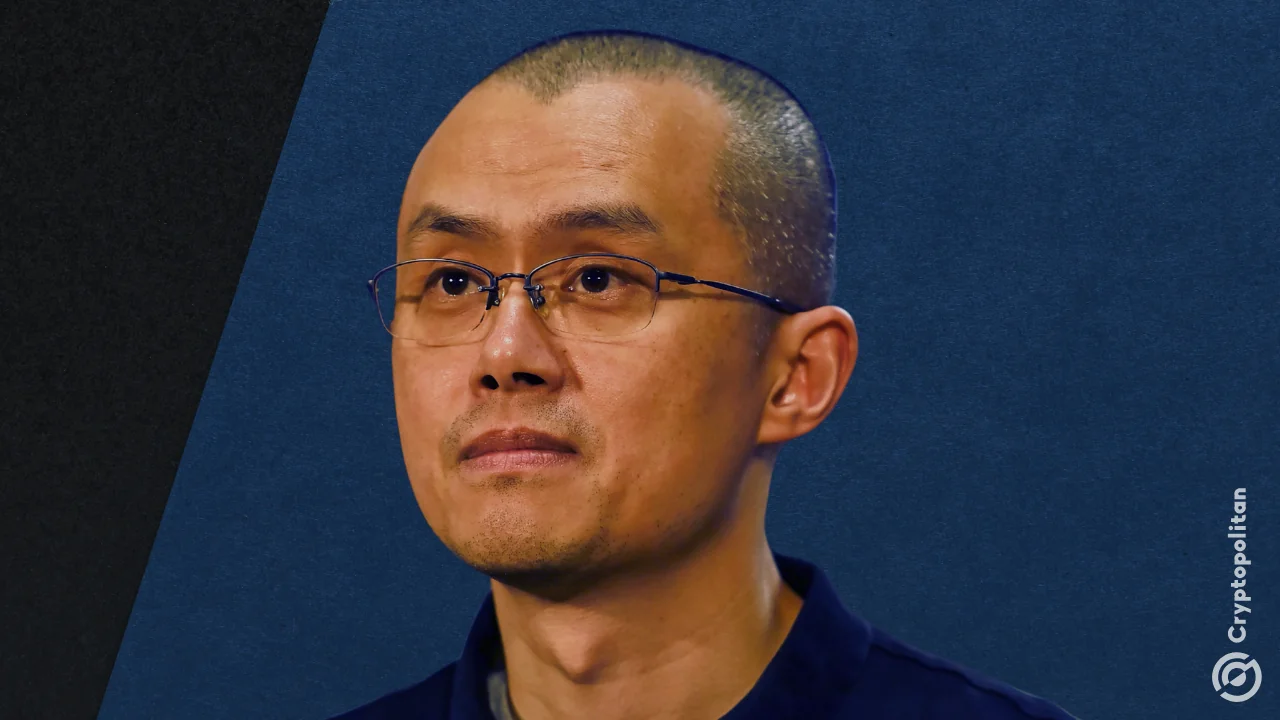
Changpeng Zhao, widely known as CZ and the founder of Binance, has articulated a strict security principle for hardware wallets, emphasizing that the private key must remain on the device under all circumstances. This "non-negotiable" rule is central to achieving true self-custody of digital assets.
In a recent post on X, CZ commended a specific hardware wallet he had reviewed for adhering to this critical standard. He underscored that the isolation of private keys within the device is not merely a desirable feature but the "decisive criterion" for security-conscious users. CZ further advised skepticism towards any wallet that cannot guarantee the private key never leaves its physical confines.
These pronouncements come in the wake of a notable debate between CZ and gold advocate Peter Schiff regarding the backing of digital money, which took place during a headline event at Binance Blockchain Week in Dubai.
Hardware Wallets: The Frontline Defense Against Hacks
For a significant portion of cryptocurrency users and traders, hardware wallets, often referred to as "cold wallets," represent the pinnacle of security. This is due to their ability to store private keys offline, thereby shielding them from internet-connected devices that are inherently vulnerable to hacking attempts.
According to CZ's stringent definition, this isolation must be absolute, meaning the private key should reside within the hardware device at all times. This focus from CZ highlights the growing concern across the entire cryptocurrency ecosystem regarding security threats, including phishing, malicious malware, and direct hacking attempts.
As an increasing number of users engage with decentralized finance (DeFi) platforms and the broader Web3 ecosystem, the exposure of private keys has emerged as a critical vulnerability. By concentrating on the principle of key isolation within hardware wallets, CZ is drawing attention to a fundamental flaw that many users might overlook.
More broadly, this emphasis aligns with established best practices within the cryptocurrency industry. Hardware wallets are constructed with certified, tamper-resistant chips and are designed to prevent private keys from being leaked externally, making them among the most secure methods for cold storage.
Rising Crypto Adoption and Self-Custody Risks
The timing of CZ's cautionary statement is particularly relevant. The cryptocurrency industry is projected for significant expansion in the coming years, with more individuals being introduced to digital assets and exploring self-custody solutions like hardware wallets or keyless wallets offered by exchanges and wallet providers.
However, this increased adoption also magnifies potential threats. Hackers, scammers, and malicious actors frequently target wallet backups, seed phrases, and private keys, especially when they are stored or managed improperly. CZ's firm stance—that the "private key must never leave the device"—serves to underscore the inherent fragility of self-custody and the high standards required for its safe implementation.
CZ has historically been a strong proponent of self-custody, yet he is also a realist. He has previously warned that mishandling keys or backups can lead to catastrophic consequences for users who poorly manage their self-custody arrangements.
Leading experts in the cryptocurrency space largely echo CZ's sentiment regarding the importance of self-custody and hardware wallet security. They frequently reiterate the principle that private keys must remain on the device. This principle has long been advocated by figures such as Andreas M. Antonopoulos, who has consistently cautioned that funds held on exchanges or in custodial systems are inherently vulnerable, famously promoting the mantra "not your keys, not your Bitcoin."