


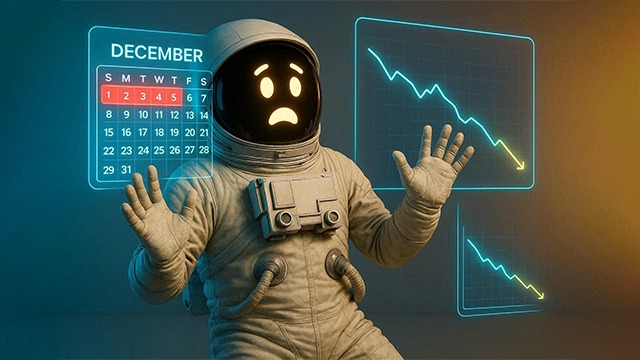
The start of December saw a surprising and steep drop in the crypto market, surprising many traders. Major cryptocurrencies, including Bitcoin, Ethereum, and significant altcoins, experienced a quick correction, indicating a swift change in global risk appetite.
Market Overview
As December began, both the cryptocurrency markets and global stock indices experienced a notable decline. Factors such as rising macroeconomic worries, diminishing liquidity, and a more cautious approach from investors led to widespread selling.

Key Factors Contributing to the Decline
1. Macroeconomic Uncertainty
Global financial markets have been under ongoing strain due to an unclear direction in monetary policy, ongoing inflation risks, and speculation regarding postponed interest rate cuts. These factors have driven investors away from riskier assets like cryptocurrencies.
2. Weakness in Global Stock Markets
Significant declines were observed in major indices across the US, Europe, and Asia. Given that cryptocurrencies typically reflect the movements of technology-related risk assets, the selling pressure spread rapidly.
3. Widespread Liquidations
A surge of long position liquidations on prominent exchanges contributed to the sharp decline. The use of high leverage intensified both the pace and magnitude of the market correction.
4. Shift of Capital to Safe-Haven Assets
As risk appetite diminished, investors increasingly turned their attention to gold, government bonds, and cash, which led to decreased liquidity within the cryptocurrency market.
Market Data Overview
- •Bitcoin, Ethereum, and key altcoins experienced significant drops.
- •The total cryptocurrency market capitalization saw a marked decline.
- •Hundreds of millions in leveraged positions were liquidated.
- •Despite the market downturn, Bitcoin's dominance remained stable.
The market downturn in early December indicates a wider global trend of risk aversion. Although this decline could be short-lived, the cryptocurrency market is still closely linked to macroeconomic factors and global liquidity. As we approach the end of the year, traders should be prepared for ongoing volatility as economic data unfolds.